Vitamin E
Episodes
Micronutrient deficiencies, even mild ones, can quietly erode health over decades, raising the risk of chronic disease. One framework...
In this clip, Dr. Rhonda Patrick reveals four common micronutrient deficiencies—vitamins C, E, K, and choline—that accelerate aging and increase...
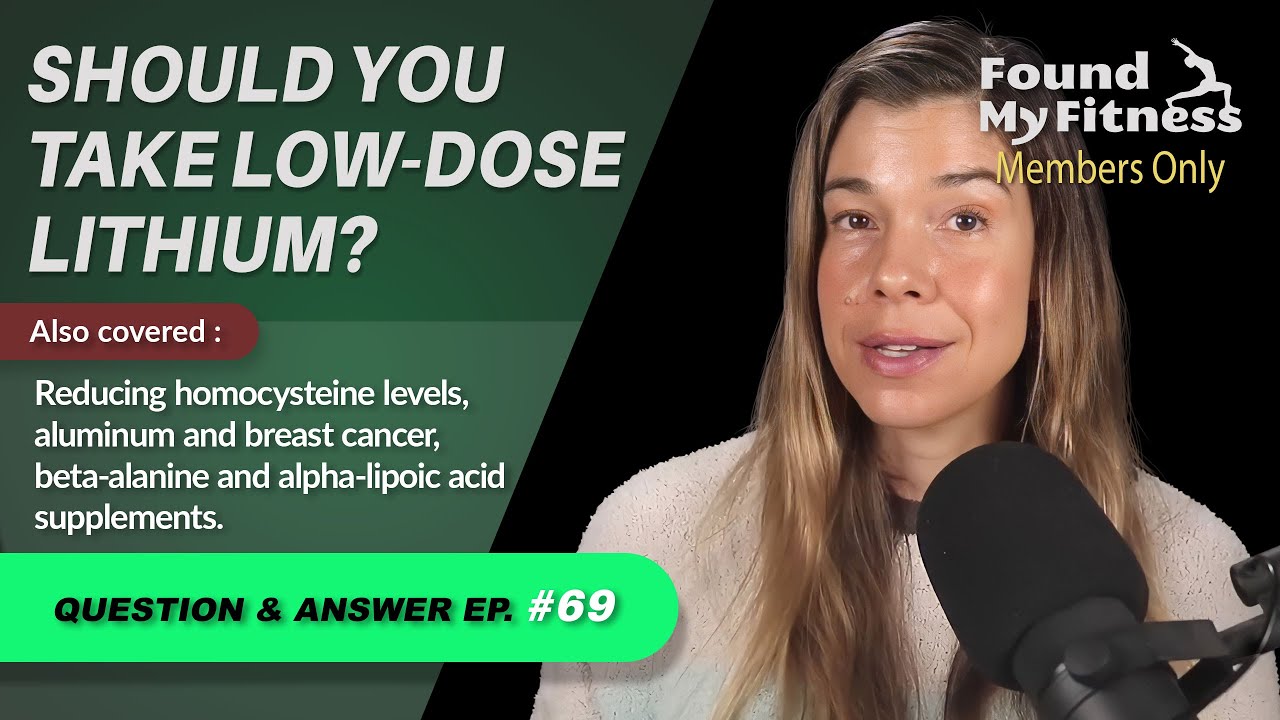
Dr. Rhonda Patrick covers lithium microdosing, reducing homocysteine, aluminum's link to cancer, and beta-alanine and alpha-lipoic acid supplements.
-
Micronutrient deficiencies, even mild ones, can quietly erode health over decades, raising the risk of chronic disease. One framework...
-
In this clip, Dr. Rhonda Patrick reveals four common micronutrient deficiencies—vitamins C, E, K, and choline—that accelerate aging and increase...
-
Exercise Biomarkers Vitamin E Genetics Eyes Caffeine Folate Sulforaphane Sauna Antioxidant Dairy Polyphenol Supplements Wearable Technology RhondaDr. Rhonda Patrick covers lithium microdosing, reducing homocysteine, aluminum's link to cancer, and beta-alanine and alpha-lipoic acid supplements.
-
Exercise Supplements Nutrition Sleep Performance Omega-3 Vitamin E Heat Stress Cold Stress Iron ProteinDr. Andy Galpin & Dr. Rhonda Patrick discuss nutrition, supplement, and recovery strategies for improving exercise performance.
-
Rhonda Exercise Aging Vitamin C Omega-3 Stem Cells Fasting Magnesium Vitamin E Vaccine Vitamin K Allergies Resveratrol Sauna Time-Restricted Eating Blood Sugar Breast MilkDr. Rhonda Patrick answers audience questions on various health, nutrition, and science topics in this Q&A session.
-
COVID-19 Vitamin D Nutrition Exercise Microbiome Sleep Vitamin C Omega-3 Inflammation Immune System Virus Micronutrients Vitamin E Vaccine Genetics Testosterone Estrogen Zinc Fiber AutoimmunityCOVID-19 Q&A Part 2: Rhonda Patrick, Ph.D. answers subscriber questions in a multi-part series.
-
Epigenetics Vitamin D Nutrition Exercise Aging Metabolism Sleep Diabetes Telomeres DNA Damage Stem Cells Stress Melatonin Vitamin E Genetics 23andMe Heat Stress Autophagy Autism Folate Sauna AntioxidantNutrigenomics examines how genetic variation influences micronutrient absorption and metabolism, and the biological consequences of these interactions.
-
Dr. Rhonda Patrick makes her second appearance on the Joe Rogan Experience.
Topic Pages
-
Multivitamins
In multivitamin formulations, included Vitamin E (alpha-tocopherol) scavenges lipid peroxyl radicals, complementing other micronutrient functions.
News & Publications
-
Diets rich in omega-3s and antioxidants slow brain aging and improve cognitive function in older adults. www.nature.com
While brain aging is an inevitable part of growing older, lifestyle factors, particularly diet, can influence the rate at which this aging occurs. A recent study found that older adults with diets rich in omega-3 fatty acids, antioxidants, and vitamins demonstrate slower brain aging and better performance on cognitive tests.
Researchers administered cognitive tests and brain imaging scans to 100 healthy older adults. They also measured 13 nutrition-related biomarkers in the participants' blood.
They identified two brain aging patterns among the participants, with one group exhibiting accelerated aging and the other slower aging. Further analysis revealed that distinct dietary patterns distinguished the two groups. In particular, the intake of specific nutrients positively influenced brain health and cognitive function, including: - Alpha-linolenic acid (an omega-3 fatty acid found in nuts and seeds, such as walnuts and chia) - Eicosapentaenoic acid (an omega-3 fatty acid found in fatty fish, such as salmon) - Lutein (a polyphenol found in green leafy vegetables, such as kale) - Zeaxanthin (a polyphenol found in brightly colored vegetables, such as orange bell peppers and butternut squash) - Vitamin E (found in seeds and nuts, such as sunflower seeds and hazelnuts) - Choline (found in a variety of foods, including eggs and soybeans) These patterns were consistent even when considering the participants' demographics, fitness levels, and body measurements.
These findings suggest that nutrient-rich diets are critical for maintaining cognitive health and decelerating the brain’s aging process. They also highlight the importance of dietary choices as potential tools to manage and mitigate age-related cognitive decline. Learn about other lifestyle choices that slow cognitive and physical aging in this episode featuring Dr. Rhonda Patrick.
-
Supplemental Vitamins and Minerals for CVD Prevention and Treatment - ScienceDirect www.sciencedirect.com
Hi Rhonda,
First off, I’m a big fan and I love your podcasts. The one thing I’m not such a fan of though, is the supplement craze.
Do you have any comments on this study? By the looks of it, the only supplement worth taking is folic acid and B-vitamins (which is something I am considering, since I rarely eat meat).
In my mind, if you predominantly eat plant-based wholefoods (vegetables, berries and fruits, legumes, grains, nuts and seeds in that order), molluscs every now and then (once a month-ish) (and I do eat a bit of egg and cheese on occasions), is supplementation really necessary or even desired?
I’m a mid-twenties guy, who exercises a lot (stretching/yoga and running everyday, weights/calisthenics 3-6days/wk and intervals 2days/wk) and I strive to “optimize” my health and fitness (although I do feast on junk in social occasions every blue moon). I intermediate fast every day, every now and then I do a 2-4 day fast, and I meditate daily). Do you have any recommendations for other healthy habits I could implement? Sorry for the digression, I’d be happy with just an answer in regards to the study :)