• Episodes
  • Topics
  • AMA
  • Science Digest
  • The Aliquot
  • Genetics
Sign in Become a member
Search
Back to episode

FoundMyFitness library

Related Episodes for Dr. Satchin Panda on Practical Implementation of Time-Restricted Eating & Shift Work Strategies

Ranked by shared topics, with one result from each original episode.

121
Clip
Clip

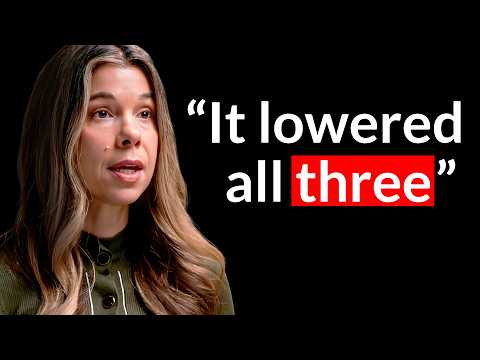
Peter Attia discusses biomarkers associated with the risk of the leading diseases

Feb 11, 2020

“Three of the most common human diseases are cardiovascular disease, cancer, and Alzheimer's disease. The most significant drivers of cardiac disease are smoking, hypertension and elevated APOB, a biomarker of LDL particle number.”
alzheimer's cancer heart disease biomarkers
Watch clip
122
Clip
Clip

Can Black Cumin Seeds Improve Metabolic Health?

Sep 4, 2026

“In a separate analysis of seven intervention trials involving people with type 2 diabetes, HbA1c fell by about 0.71 percentage points, total cholesterol by 23 mg/dL, and LDL cholesterol by 22 mg/dL.”

diabetes cholesterol inflammation rhonda
Watch clip
123
Episode
Episode

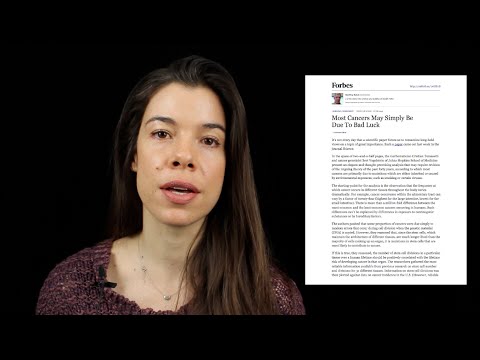
DEBUNKED: 2/3rds of Cancer "Just Bad Luck"

Feb 12, 2015

“Additionally, we also discuss the important role magnesium plays in preventing random mutations. "Men with the highest quartile of magnesium levels have a 40% decrease in all-cause mortality and a 50% decrease in deaths from cancer.".”

cancer nutrition diet dna damage
Play episode
124
Clip
Clip

How Cancer Risk and Screening Shape Early Detection

Jan 10, 2024

“In this FoundMyFitness interview clip, Dr. Peter Attia explains that early detection can reduce the burden of disease available to mutate and evade treatment, but screening carries financial, procedural, and false-positive harms.”

cancer diagnostics obesity metabolism
Watch clip
125
Clip
Clip

Dr. Bruce Ames Talks CHORI-Bar Weight Loss

Jul 4, 2015

“The bar was formulated to be moderate in calories (107 kcal/≈25 g bar), but nutrient dense, with a polyphenolic-rich matrix of fruit, walnuts, and non-alkali-processed dark chocolate, supplemental vitamins, minerals, docosahexaenoic acid (DHA), a blend of insoluble and soluble fibers, protein, and glutamine.”

obesity nutrition aging heart disease
Watch clip
126
Clip
Clip

Chronotypes: Your natural propensity to be an early riser or night owl | Matthew Walker

Jul 12, 2019

“Disruption of a person’s chronotypic schedule can influence mood, productivity, and disease risk because it may interfere with the duration of their REM sleep, which is essential for emotional well-being.”

sleep telomeres depression circadian rhythm
Watch clip
127
Clip
Clip

Why Coffee May Lower Cancer Risk

Jul 25, 2025

“Dr. Patrick also revises an earlier concern about acrylamide: although roasting can form it, the human evidence she reviews does not show that ordinary coffee intake raises cancer risk, and the overall epidemiology points in the opposite direction for several cancers.”

coffee cancer gut microbiome
Watch clip
128
Episode
Episode

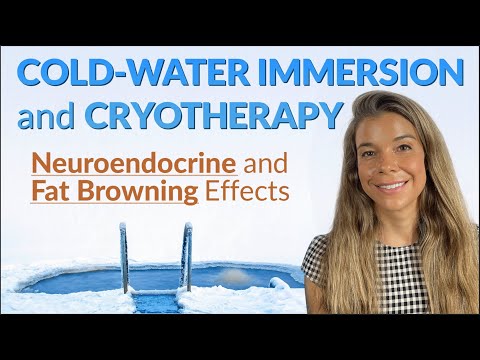
Cold-Water Immersion and Cryotherapy: Neuroendocrine and Fat Browning Effects

Apr 1, 2022

“Other hormetic responses to cold exposure include increased production of PGC1-alpha, a protein that promotes mitochondrial biogenesis, the production of new, healthy mitochondria, and the activation of brown fat – a phenomenon once thought to occur only in newborns, but now known to occur in adults, especially after cold exposure.”

cold stress exercise brain metabolism
Play episode
129
Episode
Episode

How Cryotherapy Affects the Brain, the Immune System, Metabolism, and Athletic Performance

Feb 12, 2016

“Perhaps the most clear-cut examples of cryotherapy’s beneficial effects are observed in the brain, where levels of the hormone and neurotransmitter norepinephrine – responsible for vigilance, attention, focus, and positive mood – increase markedly when the body is exposed to extreme cold.”

cold stress exercise brain cancer
Play episode
130
Episode
Episode

COVID-19 Q&A #1 with Rhonda Patrick, Ph.D.

Apr 14, 2020

“For example, while vitamin C acts primarily as an antioxidant at physiological concentrations of approximately 50 micromoles per liter, pharmacologic doses of intravenous vitamin C greater than 1 gram generate hydrogen peroxide, a type of reactive oxygen species produced by neutrophils to destroy pathogens such as viruses.”

covid-19 vitamin d vitamin c virus
Play episode
Load more related episodes

Explore More

  • Home
  • Episodes
  • Membership
  • The Aliquot
  • About
  • Healthspan Gear
  • Genetics

Our Mission

Promoting strategies to increase healthspan, well-being, cognitive and physical performance through deeper understandings of biology. Learn more about Dr. Rhonda Patrick.

Questions?

Send us a message here

Search

Follow us here

  • Instagram
  • Twitter
  • Facebook

Watch and listen

  • YouTube
  • Apple Podcasts
  • Spotify
This site is protected by reCAPTCHA and is subject to the Google Privacy Policy and Terms of Service, as well as our own Privacy Policy and Terms of Service.