Q&A
Q&A #49: How Can You Lower ApoB With APOE4—and Can You Slow or Reverse Gray Hair?
Dr. Rhonda Patrick answers audience questions on various health, nutrition, and science topics in this Q&A session.
FoundMyFitness library
Ranked by shared topics, with one result from each original episode.
Q&A
Dr. Rhonda Patrick answers audience questions on various health, nutrition, and science topics in this Q&A session.
Q&A
Dr. Rhonda Patrick discusses resistant starch, red light therapy risks, stem cells, and the link between benzodiazepines and dementia in her latest Q&A session.
Q&A
Dr. Rhonda Patrick reviews the evidence for nattokinase, how oat beta-glucans may aid with PFAS excretion, and HRT for APOE4 carriers.
Q&A
Dr. Rhonda Patrick answers audience questions on various health, nutrition, and science topics in this Q&A session.

Episode
“Dr. Rhonda Patrick speaks with Ray Cronise, a former NASA material scientist and co-founder of zero gravity, a company that offers weightless parabolic flights to consumers and researchers.”
Episode
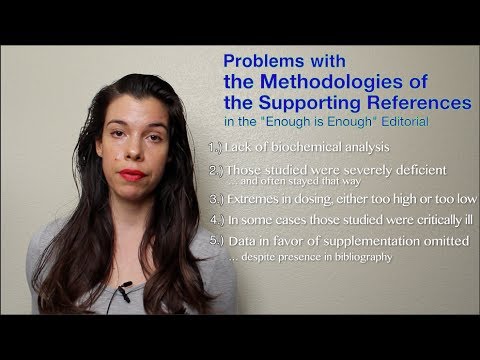
“In this podcast, we discuss and critically analyze a recent headline-grabbing editorial that was published in the Annals of Internal Medicine that reviewed three studies on the topic of multivitamins and chronic disease prevention. We analyze the important shortcomings of the studies and talk about the mechanism.”
Episode
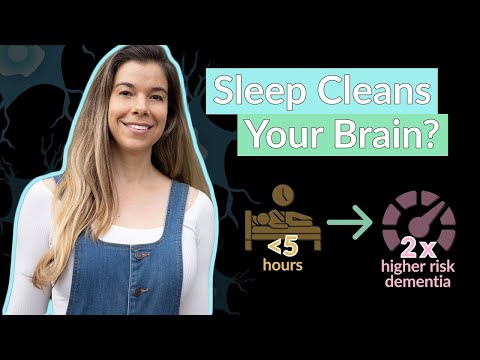
“Although scientists have identified other lifestyle behaviors that can help prevent the build-up of amyloid plaques by boosting the capacity for glymphatic clearance – such as exercise and adequate intake of omega-3 – the most important factor by far is a good night's sleep, especially deep sleep.”
Clip
“Sleep and the immune system are intrinsically linked. Sleep problems may arise because of medical or behavioral reasons, but modern life frequently dictates a work schedule late into the evening, disrupting our natural sleep/wake cycles.”
Clip
“Prolonged endurance exercise, heavy sweating, sauna use, and a minimally processed diet can also increase the practical need to replace electrolytes, which is different from routinely adding large doses for a sedentary person eating processed foods.”
Episode
“There is so much to say when we talk about the NRF2 pathway and isothiocyanates like sulforaphane that we had to pack it into 47 minutes and break it into a few key sections. Key sections: For a more in-depth breakdown click the timeline link at the top of this page!”