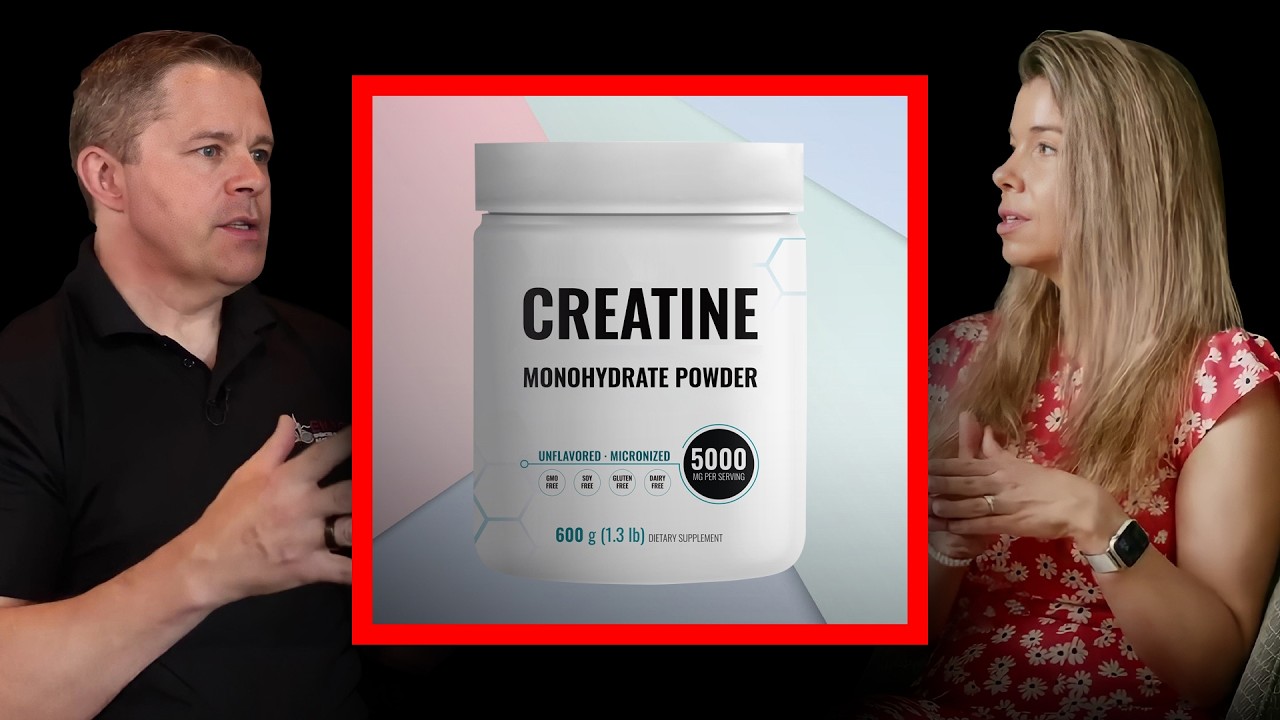
Creatine
“Furthermore, the percentage of days infants received breast milk was associated with significantly greater creatine levels. These data suggest that creatine may be beneficial in preventing poor pregnancy outcomes.”

Search could not finish. Try again.
Found 156 matches across the FoundMyFitness library.
Creatine is best understood as an energy-support compound with evidence spanning exercise, muscle, aging, and brain function. Supplementation expands the phosphocreatine pool, helping restore ATP during intense activity and supporting training volume; when paired with resistance…
Your Premium Brief connects insights across FoundMyFitness to help you see the bigger picture.
“Furthermore, the percentage of days infants received breast milk was associated with significantly greater creatine levels. These data suggest that creatine may be beneficial in preventing poor pregnancy outcomes.”
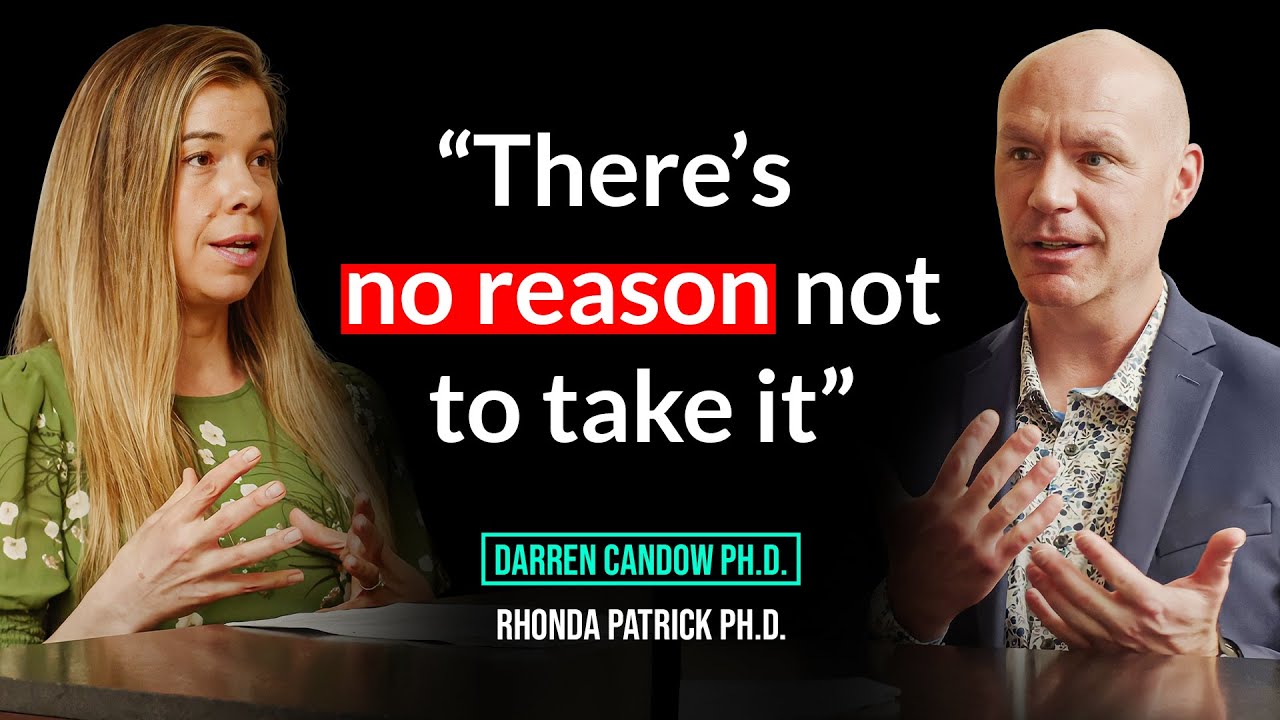
“Creatine may also help reduce inflammation and homocysteine, both of which are linked to cardiovascular disease development. It's important to note that while these mechanisms are supported by in vitro and in vivo studies, there is a lack of clinical trials in humans specifically examining the impact of creatine on vascular health.”
“Creatine supplementation has long been shrouded in myths and misconceptions, ranging from dehydration and kidney damage to hair loss. In Aliquots #131 and #133, leading researcher Dr. Darren Candow and I examined creatine's benefits for muscle quality, physical function, skeletal health, and brain resilience, especially in older adults.”
“Emerging evidence indicates that creatine supplementation might support health and function across the lifespan—not just in athletes, but in older adults, clinical populations, and anyone hoping to maintain health and vitality with age.”
Clip
“Supplemental creatine expands the phosphocreatine pool that rapidly restores ATP during lifting, sprinting, and interval work. That extra capacity can support more repetitions, greater training volume, and stronger adaptations over time.”
“Creatine plays a key role in maintaining cellular energy balance, and evidence suggests it can help the brain meet its high energy demands more efficiently. In Aliquot #131, The Muscle and Bone Benefits of Creatine, creatine expert Dr. Darren Candow and I discussed how creatine supplementation affects muscle quality, physical function, and even skeletal health, particularly in older adults.”
Clip
“In this FoundMyFitness interview clip, Dr. Rhonda Patrick asks Dr. Stuart Phillips how creatine monohydrate fits into muscle and brain health. Dr. Phillips describes it as a well-studied supplement with modest but durable effects, a long safety record in healthy adults, and a growing role in healthy-aging conversations.”
Episode
“Creatine may positively influence vascular endothelial cells, improving macrovascular (arterial) and microvascular (capillary) health. Preliminary studies suggest creatine supplementation can modestly improve endothelial function, which is critical for vascular tone, blood pressure regulation, and cardiovascular health.”
Clip
“That energy support can increase training capacity. When combined with resistance training, creatine produces modest additional gains in lean mass; without exercise, the same meta-analysis found no significant lean-mass effect.”
Clip
“A meta-analysis of 22 trials with 721 older adults found that adding creatine to resistance training increased lean tissue mass and upper- and lower-body strength. Dr. Patrick also discusses creatine as a brain-energy buffer.”
Results 1–10 of 156
Premium Members received this study with Rhonda’s practical commentary and 8+ other hand-picked papers. Get the Science Digest delivered every other week.
Every other week our Premium Members receive deep dives like this alongside Rhonda's commentary and 8+ other hand-picked papers.