Q&A
Q&A #13: How Can You Measure Fasting and Autophagy in Humans?
Dr. Rhonda Patrick answers audience questions on various health, nutrition, and science topics in this Q&A session.
Search could not finish. Try again.
Found 181 matches across the FoundMyFitness library.
Q&A
Dr. Rhonda Patrick answers audience questions on various health, nutrition, and science topics in this Q&A session.
Q&A
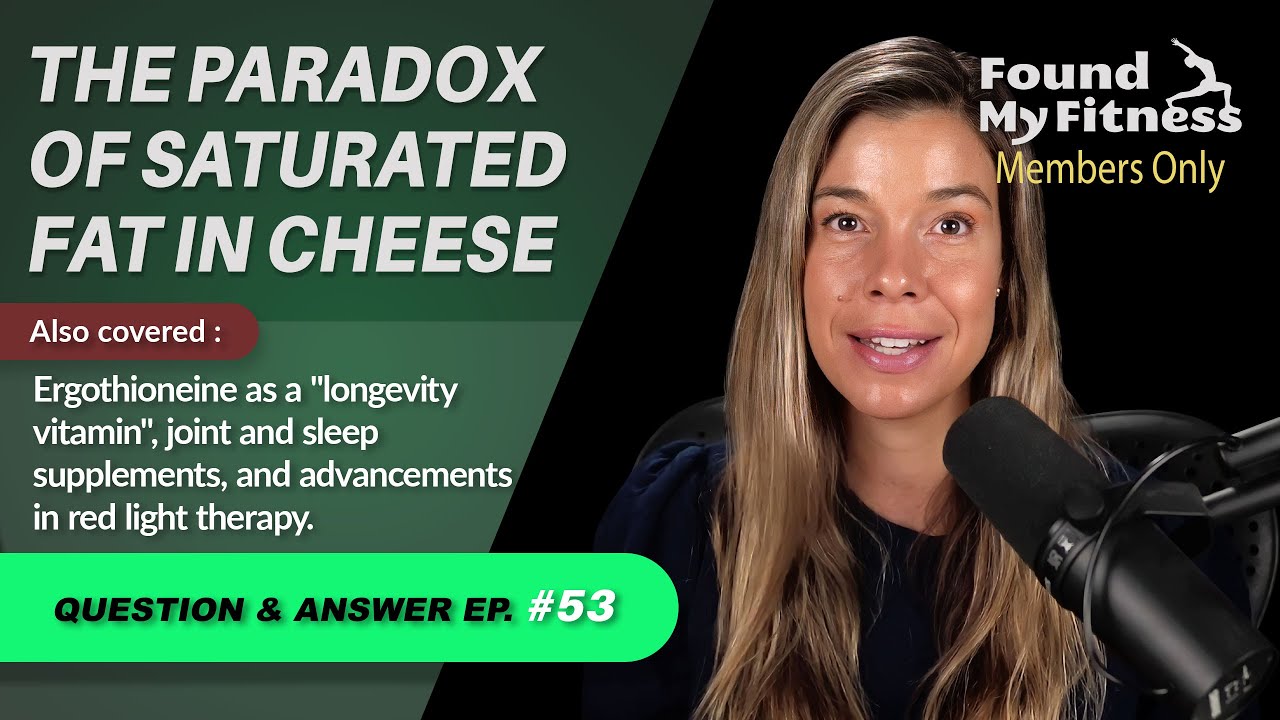
Dr. Rhonda Patrick explores cheese's health impact, ergothioneine's longevity properties, sleep and joint supplements, and red light therapy in her latest Q&A.
Q&A
Dr. Rhonda Patrick answers audience questions on various health, nutrition, and science topics in this Q&A session.

“Prebiotics are a type of fermentable fiber that is found in vegetables, fruits, nuts, seeds, legumes, oats, quinoa, etc. Fermentable fiber feeds the microbiome which in turn produces molecules such as short chain fatty acids that regulate the immune system and brain function.”
Q&A
Dr. Rhonda Patrick discusses joint aging prevention, avoiding heavy metals in protein, reducing migraines, nicotinamide for skin, and minimizing jet lag.
Episode
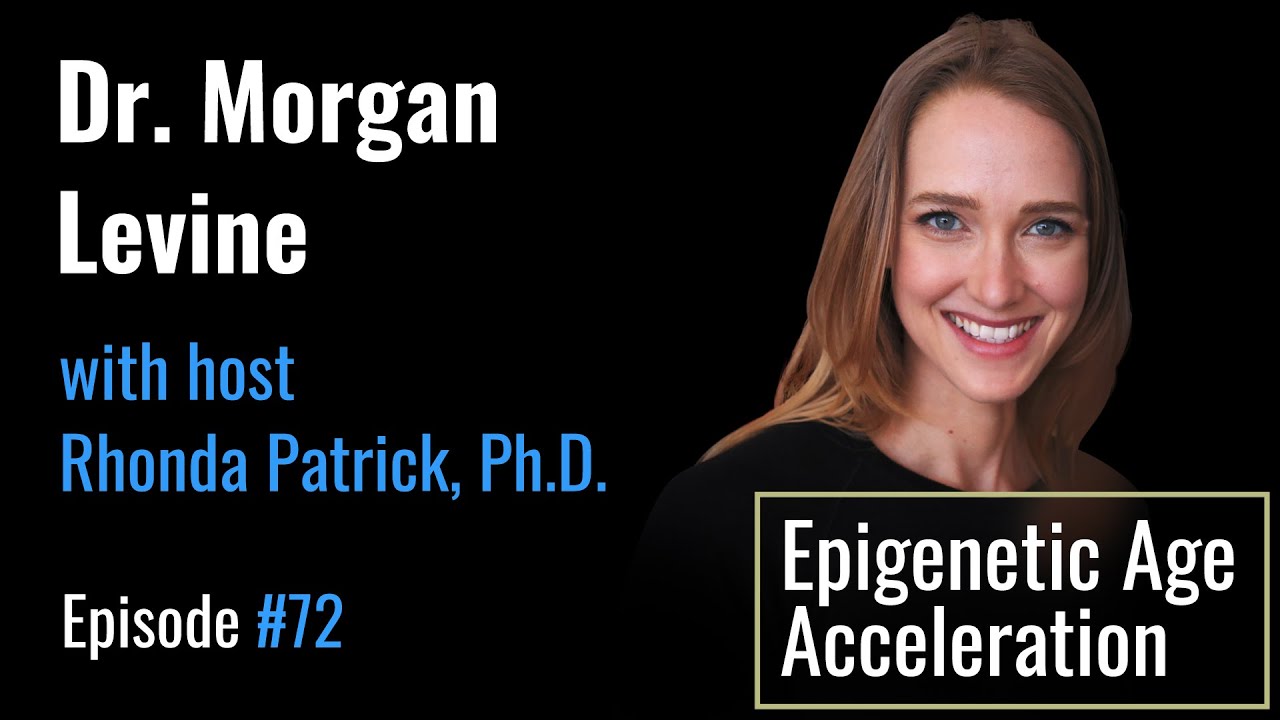
“As a founding principal investigator at Altos Lab, Dr. Levine sits at the frontier of aging research, where she and her colleagues are investigating what she describes as some of the most exciting research in the field, centered on interrupted cellular reprogramming.”
Episode
“01:52:55 - Environmental enrichment creates epigenetic changes that benefit learning and memory in rodents and these benefits transfer to offspring. Study. 02:05:00 - NASA study showed that gravity influenced expression of genes involved in metastasis.”
Q&A
Dr. Rhonda Patrick answers audience questions on various health, nutrition, and science topics in this Q&A session.

“After the rats had been on their respective diets for five weeks, the authors either flipped their light/dark schedules (roughly equivalent to flying across 12 time zones) or left them on a normal schedule once a week for eight weeks.”
Episode
“02:03:18 - A recent study measured omega-3 fatty acid levels from both supplemental and dietary sources in blood and found that for every 1 percent increment in omega-3 fatty acid levels there was a 20 percent decreased risk in all-cause mortality.”
Results 161–170 of 181
Premium Members received this study with Rhonda’s practical commentary and 8+ other hand-picked papers. Get the Science Digest delivered every other week.
Every other week our Premium Members receive deep dives like this alongside Rhonda's commentary and 8+ other hand-picked papers.