11

Search could not finish. Try again.
Found 1,194 matches across the FoundMyFitness library.
“There's been a series of conflicting observational studies that either show or don't show (depending on which one you're looking at) a link between saturated fat consumption and heart disease.”
“For example, exposure to ultraviolet B light is the primary source of vitamin D, but behaviors or characteristics that block or reduce sun exposure, such as using sunscreen, having high levels of melanin (a dark pigment found in skin that acts like natural sunscreen), exclusive breastfeeding, older age, or being obese can impair the skin's ability to produce vitamin D3.”
“Neurogenesis Whereas the early view of the mammalian central nervous system presumed that it was a static complex incapable of change, a growing body of evidence suggests that it retains its capacity for synaptic pruning – the process that eliminates extra neurons and synaptic connections and establishes new neural circuits to increase the efficiency of neuronal transmissions – throughout life.”
“In a study where 24 middle-aged healthy dogs received either a placebo or a non-immunosuppressive dose of rapamycin three times a week for ten weeks, researchers found that dogs that received the rapamycin exhibited improvements in multiple aspects of heart function, including how well the heart filled and pumped out blood.”
“Taking it a step further, they investigated how sodium and potassium impact blood pressure in men and women differently—a critical question since cardiovascular diseases disproportionately affect men compared to women due to differences in nitric oxide bioavailability, inflammation, electrolyte balance, and sympathetic nervous system activity.”
“Obesity In a study in which mice were fed a diet that was high in fat and sugar and received a 400-milligram per kilogram of body weight (mg/kg/bw) nicotinamide riboside supplement every day for one week, the mice gained 60 percent less fat, exhibited improved insulin sensitivity, and demonstrated greater endurance and muscle strength, compared to mice that did not receive the supplement.”
“Unlike chemicals that are rapidly eliminated in urine, some long-chain PFAS undergo biliary excretion and intestinal reabsorption, contributing to biological half-lives measured in years and the nickname “forever chemicals.” PFAS exposure may increase the risk of cancer, liver damage, and immune system impairment.”
 Episode
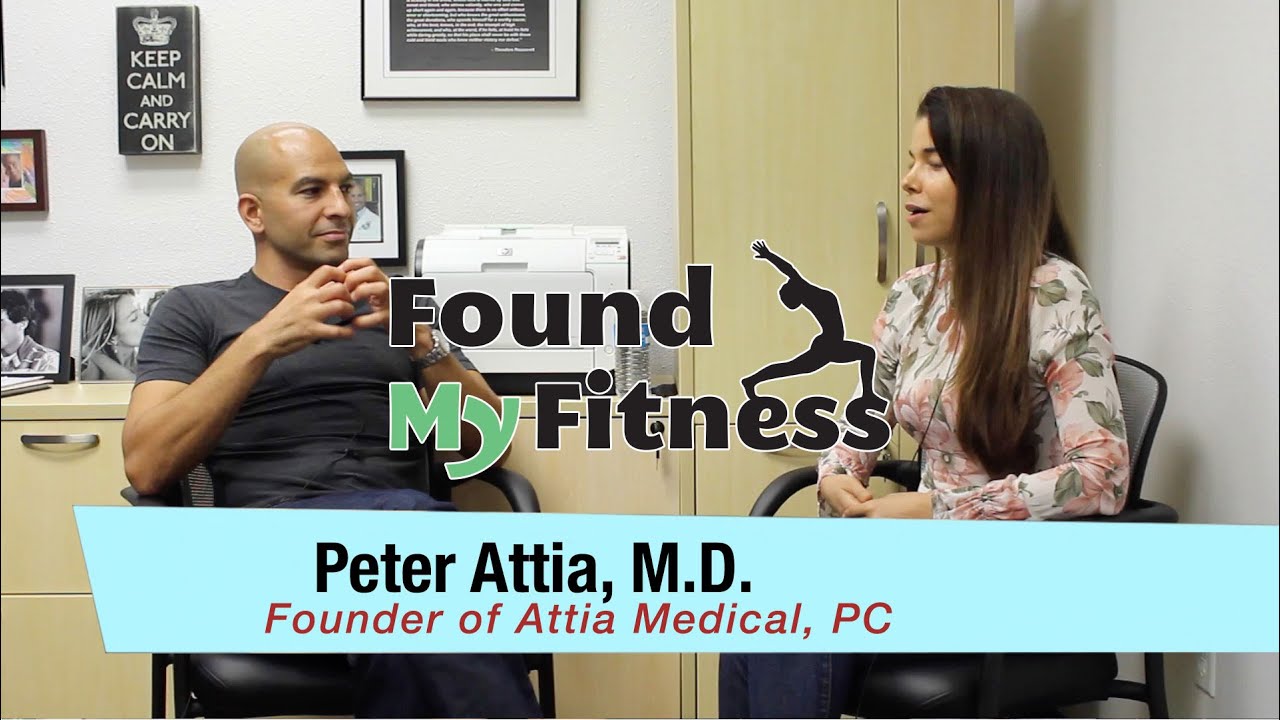
“You may have first heard about Dr. Attia from his two interviews that have been on the Tim Ferriss show, or from any number of popular presentations he's given that were filmed and put online.”
“In fact, when it came to the risk of dying from cardiovascular disease, only physical activity intensity stood out as an important factor—physical activity volume wasn’t associated with a lowering of cardiovascular disease mortality. This sparks an interesting discussion about the relative importance of each exercise intensity for health and longevity.”
Results 11–20 of 1,194
Premium Members received this study with Rhonda’s practical commentary and 8+ other hand-picked papers. Get the Science Digest delivered every other week.
Every other week our Premium Members receive deep dives like this alongside Rhonda's commentary and 8+ other hand-picked papers.