Q&A
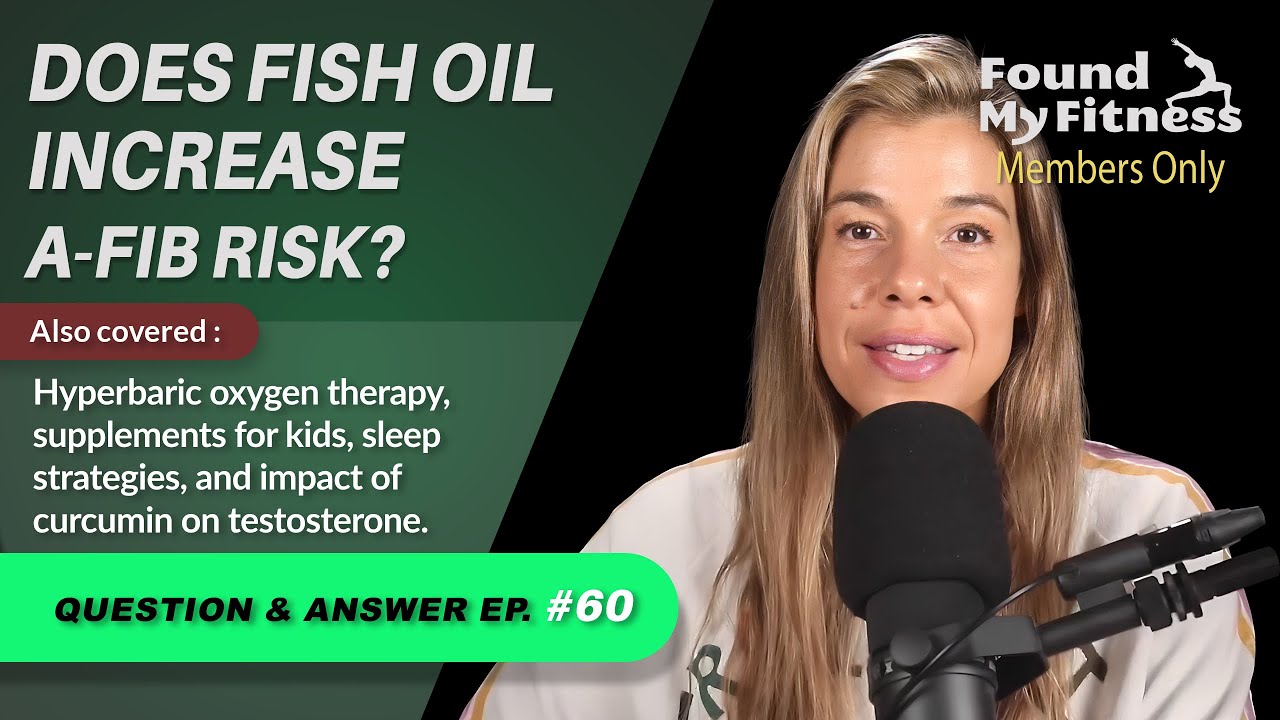
Q&A #60: Does Fish Oil Increase Atrial Fibrillation Risk?
Dr. Rhonda Patrick discusses fish oil and Afib risk, hyperbaric oxygen therapy, supplements for kids, and curcumin's impact on testosterone.

Search could not finish. Try again.
Found 401 matches across the FoundMyFitness library.
Q&A
Dr. Rhonda Patrick discusses fish oil and Afib risk, hyperbaric oxygen therapy, supplements for kids, and curcumin's impact on testosterone.
“People with metabolic syndrome are at higher risk for developing heart disease, stroke, and type 2 diabetes. Findings from a new study suggest that fasting "jump starts" dietary strategies to improve symptoms of metabolic syndrome.”
“To reduce the chance that low activity reflected preexisting illness, the researchers excluded people who already had cancer, heart disease, or stroke before the analysis began and linked each exercise report only to deaths occurring at least two years later.”
“LVEDV increased by about 6% (from 170 to 180 milliliters). Resting stroke volume, the amount of blood pumped with each heartbeat, rose by around 7% (from 94 to 101 milliliters), which resulted in the heart pumping about 13% more blood per minute (from 4.5 to 5.1 liters).”
Q&A
Dr. Rhonda Patrick answers audience questions on various health, nutrition, and science topics in this Q&A session.
Episode
“Among the major clocks, GrimAge is one of the strongest predictors of mortality and disease risk, including all-cause death, myocardial infarction, stroke, frailty, walking speed, polypharmacy, fatty liver, visceral fat, and comorbidity burden.”
Q&A
Dr. Rhonda Patrick answers audience questions on various health, nutrition, and science topics in this Q&A session.
Q&A
Dr. Rhonda Patrick answers audience questions on various health, nutrition, and science topics in this Q&A session.
Episode
“Statins: Statin therapy has been linked to a higher risk of stroke, liver disease, new-onset diabetes, and muscle symptoms and diseases (myopathies). In the Women's Health Initiative, women using a statin had a 52% greater risk of developing diabetes.”
“Regulating the amount of light in our environment is crucial for a good night's sleep and a good mood the next day. Habits such as using blue light-emitting electronics close to bedtime can reduce melatonin production by as much as 20 percent, impairing sleep.”
Results 211–220 of 401
Premium Members received this study with Rhonda’s practical commentary and 8+ other hand-picked papers. Get the Science Digest delivered every other week.
Every other week our Premium Members receive deep dives like this alongside Rhonda's commentary and 8+ other hand-picked papers.