Q&A
Q&A #55: Red Yeast Rice vs. Statins—Cholesterol, Diabetes Risk, & Supplement Contamination
Dr. Rhonda Patrick explores iodine supplementation, choline & TMAO, curcumin safety, and red yeast rice in her latest Q&A.
Search could not finish. Try again.
Found 34 matches across the FoundMyFitness library.
Q&A
Dr. Rhonda Patrick explores iodine supplementation, choline & TMAO, curcumin safety, and red yeast rice in her latest Q&A.
Q&A
Dr. Rhonda Patrick answers audience questions on various health, nutrition, and science topics in this Q&A session.
Clip
“A wide array of toxicants, including heavy metals, such as cadmium and mercury; bisphenol A; polychlorinated biphenyls; and phthalate compounds, bioaccumulate in the human body. An individual's toxic burden may contribute to their poor metabolic function, inflammation, and cognitive dysfunction.”
Clip
“In this clip, Dr. Giselle Petzinger discusses how no evidence exists that lifestyle factors, such as diet and exercise, can cure Parkinson's disease or obviate the need for dopamine replacement.”
Clip
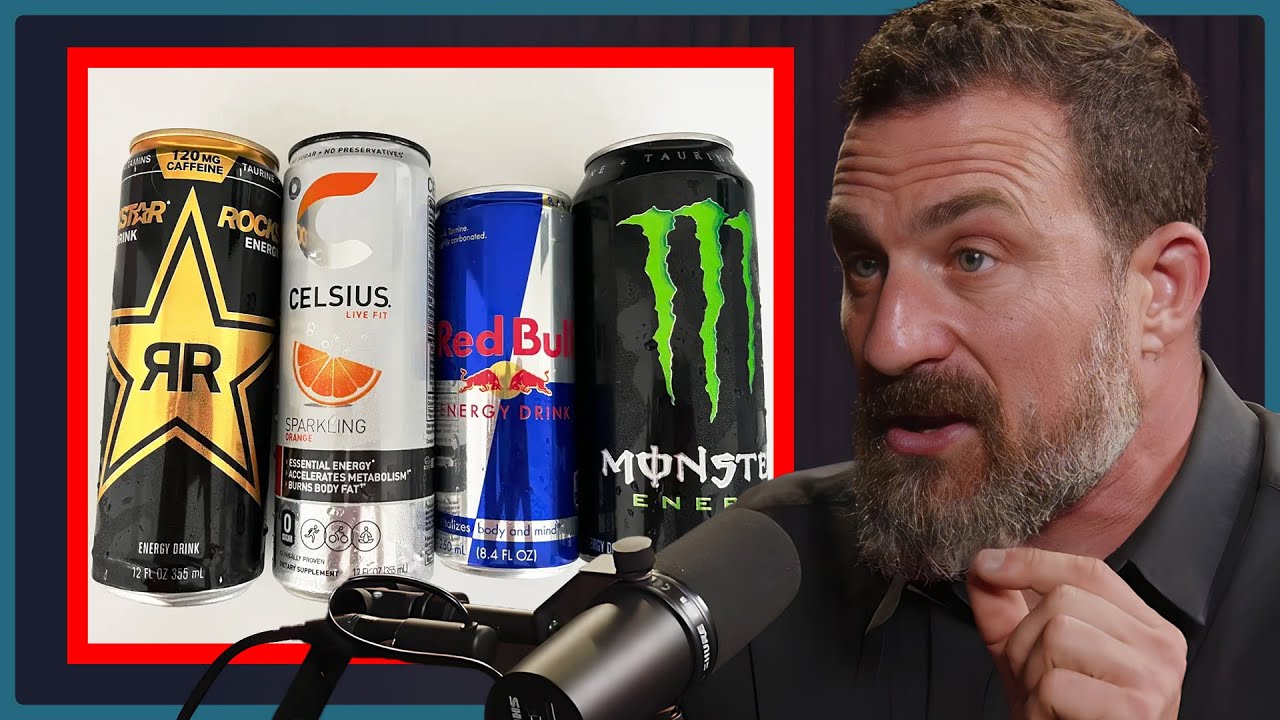
“Dr. Huberman favors training and behavioral cues as the foundation and warns that stacking caffeine, nicotine, music, and other rewards can make effort feel dependent on stimulation.”
Clip
“National survey analyses estimated that roughly 38% to 47% of Americans consumed less vitamin C than the Estimated Average Requirement across 1999–2018, while an earlier biomarker survey found clinical vitamin C deficiency in about 7%.”
Episode
“00:20:21 - Some of the key blood-based biomarkers that are useful for tracking and projecting future cognitive health, including: homocysteine (<7μml/L preferred), which Dr. Bredesen indicates may be a mediator of cerebral atrophy, and also fasting insulin (<5% preferred), hemoglobin A1c, fasting glucose, vitamin D, and a number of other hormones relevant for trophic support.”
“Cognitive enhancement is a hot topic, but the best ways to sharpen focus, boost motivation, and support brain health aren't always clear-cut. Stimulants like nicotine and caffeine offer immediate benefits but come with trade-offs—some minor, others riskier.”
Q&A
Dr. Rhonda Patrick answers audience questions on various health, nutrition, and science topics in this Q&A session.
“It suggests that when the body runs low on essential vitamins or minerals, it doesn't distribute them evenly. Instead, it prioritizes urgent survival tasks, like keeping the heart beating or clotting blood, over long-term maintenance, such as repairing DNA or defending against oxidative damage.”
Results 21–30 of 34
Premium Members received this study with Rhonda’s practical commentary and 8+ other hand-picked papers. Get the Science Digest delivered every other week.
Every other week our Premium Members receive deep dives like this alongside Rhonda's commentary and 8+ other hand-picked papers.