31

Search could not finish. Try again.
Found 87 matches across the FoundMyFitness library.
“Capacity to synthesize dopamine varies from person to person; however, lower dopamine levels in key brain areas are associated with attention deficit hyperactivity disorder (ADHD), substance use disorders, and Parkinson’s disease.”
“These findings suggest that vitamin D plays multiple roles in dopamine signaling, with potential implications for neurodevelopmental disorders like schizophrenia, ADHD, and autism. They also underscore the importance of adequate maternal vitamin D status during pregnancy.”
 Q&A
Q&A
Dr. Rhonda Patrick answers audience questions on various health, nutrition, and science topics in this Q&A session.
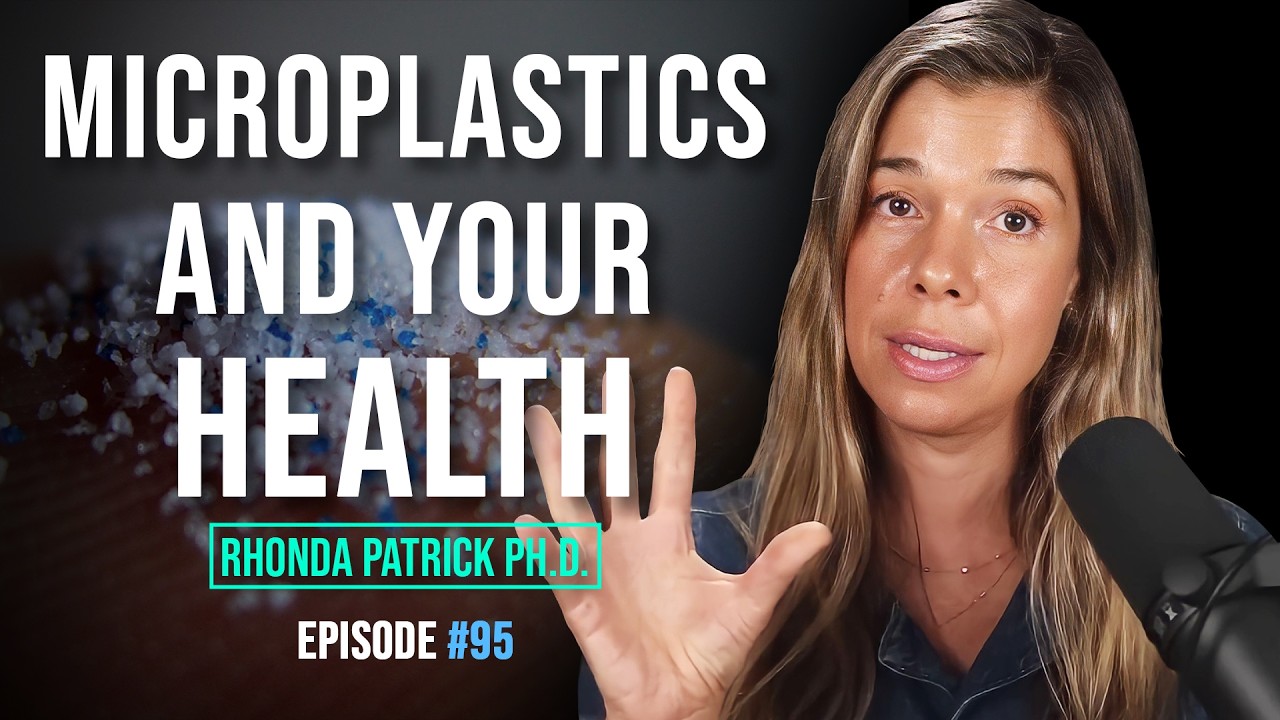 Episode
“This creates a two-fold problem: first, maternal BPA exposure affects brain development in utero, and then prolonged exposure in children who can’t efficiently metabolize BPA amplifies the impact! Other neurodevelopmental disorders Prenatal exposure to BPA has been linked to an increased risk of behavioral disorders like ADHD, anxiety, and depression in children.”
“Lactate did not clearly differ between groups. The three brain metabolism measures were not clearly related to ADHD or autism diagnoses, parent-rated cognitive skills involving planning and self-control, or intelligence.”
 Q&A
Q&A
Dr. Rhonda Patrick answers audience questions on various health, nutrition, and science topics in this Q&A session.
 Episode
“In this talk, we’ll be exploring the intersection between genetics, nutrition, and environment: how your diet, micronutrients, exercise, heat stress, and sleep can change the expression of your genes and how this has profound effects on the way your body functions and ages.”
Results 31–40 of 87
Premium Members received this study with Rhonda’s practical commentary and 8+ other hand-picked papers. Get the Science Digest delivered every other week.
Every other week our Premium Members receive deep dives like this alongside Rhonda's commentary and 8+ other hand-picked papers.