Policy
Episodes
Natural flavors sound harmless—but are they? In this Aliquot, I unpack what "natural" and "artificial" really mean when it comes to ...
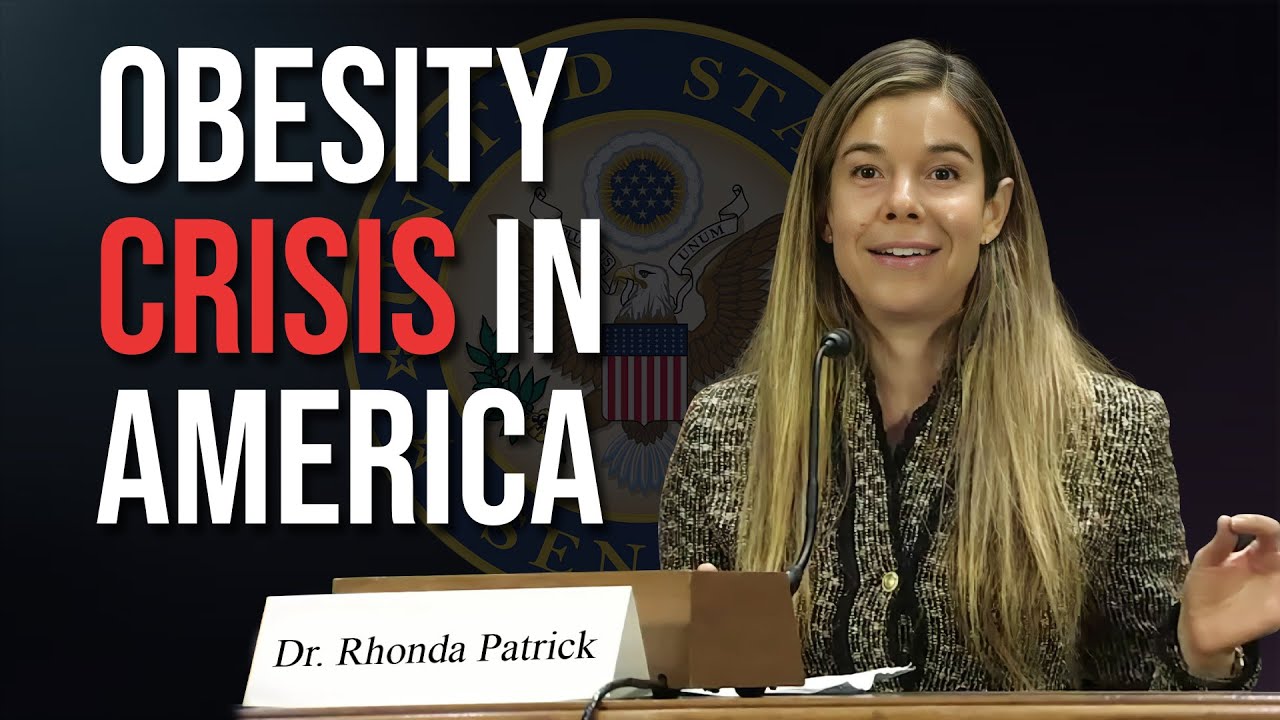
Dr. Rhonda Patrick's testimony before the United States Senate Special Committee on Aging.
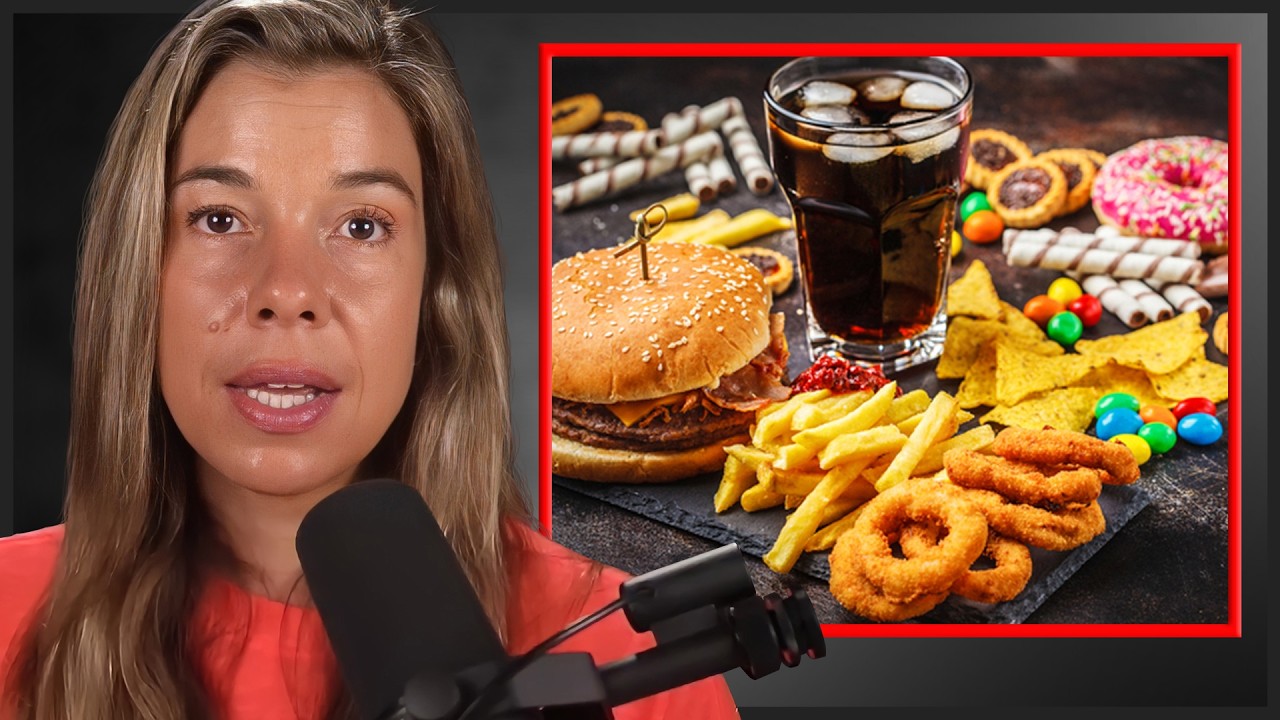
In this clip, Dr. Rhonda Patrick discusses food chemicals, health risks, ultra-processed foods, and the safety of BPA-free products.
-
Natural flavors sound harmless—but are they? In this Aliquot, I unpack what "natural" and "artificial" really mean when it comes to ...
-
Dr. Rhonda Patrick's testimony before the United States Senate Special Committee on Aging.
-
In this clip, Dr. Rhonda Patrick discusses food chemicals, health risks, ultra-processed foods, and the safety of BPA-free products.
-
In this clip, Dr. George Church discusses how gene editing could uniquely improve human life in the future.
-
In this clip, Dr. George Church describes how gene writing projects could deliver health benefits for future generations.
Topic Pages
News & Publications
-
Forty percent of sports supplements are mislabeled; 12 percent contain banned substances. pubmed.ncbi.nlm.nih.gov
The global dietary supplement market currently exceeds $150 billion and is expected to grow in the coming years. However, according to the U.S. Food and Drug Administration (FDA), many dietary supplements – particularly sports, bodybuilding, and sexual enhancement products – contain hidden active ingredients that may elicit harmful effects. A recent study found that 12 percent of sports supplements contained illegal additives, and 40 percent didn’t contain the substances identified on the label.
Researchers purchased sports supplement products containing any one of five plant-based compounds commonly touted as having athletic performance-enhancing effects: R. vomitoria, methylliberine, turkesterone, halostachine, or octopamine. They analyzed the various products for the presence and quantity of the five ingredients and any FDA-banned ingredients.
They found that of the 57 sports supplements they tested, 23 (40 percent) didn’t contain any of the substances listed on the label. 28 (49 percent) contained the wrong amount (with quantities ranging from 0.02 to 334 percent of the labeled amount). 7 (12 percent) contained banned ingredients, including various stimulants and several unapproved drugs: omberacetam, octodrine, oxilofrine, and deterenol, and 1,4-dimethylamylamine.
These findings shed light on the inaccurate labeling of dietary supplements and highlight concerns about the presence of banned substances. Although this was a small study, and the researchers only analyzed one sample of each product, the findings align with previous work that identified banned products, such as ephedra and caffeine quantities that differed from those identified on the label in athletic performance supplements. Other research has identified omberacetam and other unapproved drugs in cognitive enhancement supplements.
Without laboratory testing, it’s impossible to know the contents of a dietary supplement product, so consumers should check the label to see if an independent, third-party organization
-
Vitamin C and scar strength: analysis of a historical trial and implications for collagen-related pathologies academic.oup.com
Re-analysis of landmark vitamin C trial data reveals current recommendations for intake may be too low for optimal health.
During World War II, researchers in England conducted an experiment to determine the level at which vitamin C depletion causes scurvy, a potentially life-threatening collagen-related disorder. A re-analysis of these findings calls into question current recommendations for vitamin C intake.
The study involved 20 healthy men who had been fed a diet providing 60 to 70 milligrams of vitamin C daily for about one month. The researchers randomly assigned the men to receive zero, 10, or 70 milligrams of vitamin C daily. Because vitamin C plays such an important role in wound healing, the researchers subjected the participants to experimental wounds and then assessed the scar strength to gauge the effects of depletion. They concluded that a dose of 10 milligrams of vitamin C daily was sufficient for optimal scar strength. The study’s findings formed the basis of public health recommendations that soon followed and, in some countries, are still observed today.
However, the authors of the present-day article posited that the data analysis from the World War II-era study was flawed. They subjected the data to a new analysis, which revealed that the daily intake of vitamin C for providing adequate scar strength is 95 milligrams – twice the amount recommended by the World Health Organization and the National Health Service of the United Kingdom.
These findings suggest that the landmark study on which some public health recommendations base their recommendations for vitamin C intake grossly underestimated the dose required for wound healing and optimal health. Learn more about vitamin C in our overview article.