Q&A
Q&A #23: Is Kale Healthy?—Oxalates, Thallium, & Kidney Stones
Dr. Rhonda Patrick answers audience questions on various health, nutrition, and science topics in this Q&A session.

FoundMyFitness library
Ranked by shared topics, with one result from each original episode.
Q&A
Dr. Rhonda Patrick answers audience questions on various health, nutrition, and science topics in this Q&A session.

Q&A
Dr. Rhonda Patrick answers audience questions on various health, nutrition, and science topics in this Q&A session.
Q&A
Dr. Rhonda Patrick answers audience questions on various health, nutrition, and science topics in this Q&A session.
Q&A
Dr. Rhonda Patrick answers audience questions on various health, nutrition, and science topics in this Q&A session.

Q&A
Dr. Rhonda Patrick answers audience questions on various health, nutrition, and science topics in this Q&A session.

Q&A
Dr. Rhonda Patrick answers audience questions on various health, nutrition, and science topics in this Q&A session.
Q&A
Dr. Rhonda Patrick explores collagen peptides, high-dose niacin and vitamin B6, avoiding nano- and microplastics in her latest Q&A.
Episode
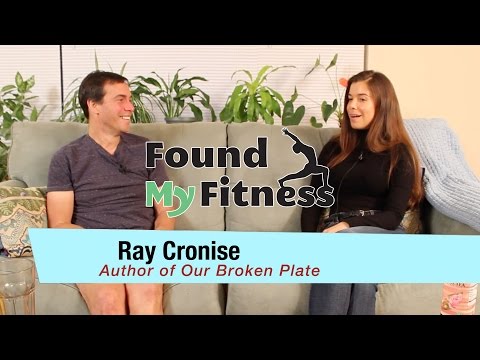
“Dr. Rhonda Patrick speaks with Ray Cronise, a former NASA material scientist and co-founder of zero gravity, a company that offers weightless parabolic flights to consumers and researchers.”
Clip
“Normalizing the timing of food intake via time-restricted eating may help restore microbiome composition, potentially offsetting the increased disease risk. In this clip, Dr. Eran Elinav describes how the circadian rhythmicity of the microbiome is regulated and how this affects human health.”
Clip
“In conjunction with a restricted eating window, meal frequency can also play a role. Two meals a day may be optimal for individuals who are predisposed to gaining weight while people not prone to weight gain may prefer to eat three times a day.”