Q&A
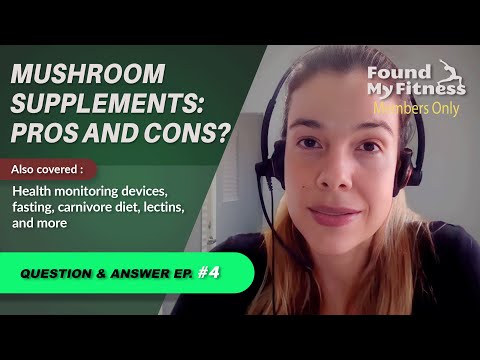
Q&A #4: Fasting, Autophagy, & Fat Loss—Plus the Carnivore Diet
Dr. Rhonda Patrick answers audience questions on various health, nutrition, and science topics in this Q&A session.
FoundMyFitness library
Ranked by shared topics, with one result from each original episode.
Q&A
Dr. Rhonda Patrick answers audience questions on various health, nutrition, and science topics in this Q&A session.
Q&A
Dr. Rhonda Patrick answers audience questions on various health, nutrition, and science topics in this Q&A session.
Q&A
Dr. Rhonda Patrick answers audience questions on various health, nutrition, and science topics in this Q&A session.

Clip
“In this clip from Q&A #70, Dr. Rhonda Patrick organizes cancer prevention around the largest modifiable foundations: avoid tobacco, maintain a healthy body composition, and stay physically active.”
Clip
“In a small crossover trial involving people with insulin resistance, six one-minute intense intervals performed before the three main meals improved daily glucose control compared with one continuous 30-minute session.”
Episode
“In a previous episode, entitled "Maximizing Your Mitochondria with Magnesium," we learned that 45% of the US population is deficient in magnesium and the important role magnesium plays in mitochondrial function and how this relates to exercise performance by ensuring your muscle cells have the highest oxidative capacity (ability to produce ATP or "energy") possible.”
Clip
“In this clip from Dr. Rhonda Patrick's appearance on The Tim Ferriss Show, she describes the supplements her parents use and separates a simple nutritional baseline from choices tied to individual health needs.”
Clip
“In more than 2,000 adults ages 51 to 80, higher Sitting-Rising Test scores were associated with longer survival, making floor-transfer ability a useful marker of functional capacity. Floor time can include cross-legged sitting, kneeling, side-sitting, or sitting with the legs extended.”
Clip
“A growing body of scientific evidence suggests that there's a correlation between nutrition, exercise, sleep, and stress management and having longer telomeres. Identifying the mechanisms that drive these correlations has proven challenging, but a few candidates stand out, including improvements in immune function and metabolic health.”
Clip
In this clip, Dr. Patrick explains how intense exercise beneficially alters tryptophan and kynurenine metabolism in a way that may benefit depression.