• Episodes
  • Topics
  • AMA
  • Science Digest
  • The Aliquot
  • Genetics
Sign in Become a member
Search
Back to episode

FoundMyFitness library

Related Episodes for How Late-Night Eating and Poor Sleep Disrupt Blood Sugar

Ranked by shared topics, with one result from each original episode.

121
Clip
Clip

Does coffee induce autophagy? | Guido Kroemer

Jul 15, 2019

“In a study in which fasting mice were provided either caffeinated or decaffeinated coffee in drinking water, autophagy was observed in the liver, muscle, and heart just four hours after consumption. In this clip, Dr. Guido Kroemer discusses the autophagy-inducing qualities of coffee.”
autophagy cancer fasting coffee
Watch clip
122
Clip
Clip

Does moringa lower blood glucose levels? | Jed Fahey

Dec 3, 2020

“Dr. Rhonda Patrick – who wears a continuous glucose monitor – has found that her post-smoothie blood glucose levels are markedly lower when her smoothie contains moringa powder. In this clip, Dr. Rhonda Patrick shares anecdotal evidence that moringa reduces blood glucose levels.”

sulforaphane diabetes blood sugar
Watch clip
123
Episode
Episode

Dominic D'Agostino, Ph.D. on Modified Atkins Diet, Ketosis, Supplemental Ketones and More

Apr 10, 2016

“Dom's efforts at teasing out the differences between induced nutritional ketosis (through a low carbohydrate, high fat diet) and ketosis from the dietary introduction of exogenous ketones, like beta-hydroxybutyrate, especially in the context of therapeutic and performance enhancing effects.”

ketosis nutrition brain alzheimer's
Play episode
124
Clip
Clip

How Elevated Blood Sugar Affects the Brain and Heart

Apr 4, 2025

“Her practical message is to reduce the frequency and size of large glucose exposures. Foods with intact fiber, protein, and minimally processed carbohydrates digest more slowly than refined added sugar, while regular exercise gives skeletal muscle a large destination for circulating glucose.”

sugar brain aging inflammation
Watch clip
125
Clip
Clip

How Exercise Snacks Support Fitness and Longevity

Feb 21, 2025

“Wearable-device research in more than 25,000 adults who reported no structured exercise linked about three one- to two-minute vigorous bouts per day with substantially lower all-cause, cardiovascular, and cancer mortality.”

exercise metabolism mortality blood sugar
Watch clip
126
Clip
Clip

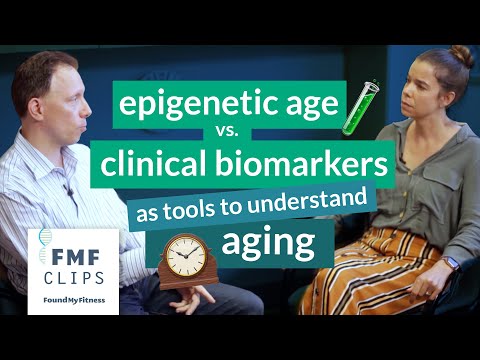
Epigenetic age vs. clinical biomarkers as tools for understanding aging | Steve Horvath

Dec 28, 2020

“Epigenetic clocks may provide a means of explaining these and other differential aging rates. In this clip, Dr. Steve Horvath discusses how traditional biomarkers of health and age don't correlate well with epigenetic age.”

epigenetics aging blood pressure blood sugar
Watch clip
127
Clip
Clip

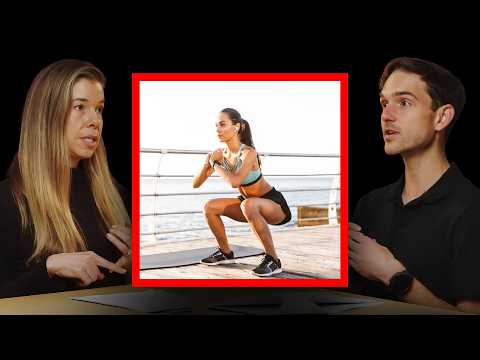
How Exercise Snacks Add Vigorous Movement to the Day

Jan 26, 2026

“In a randomized crossover study of 18 young men with overweight or obesity, ten three-minute walking or squat breaks spaced every 45 minutes across 8.5 hours lowered post-meal glucose exposure more than uninterrupted sitting or one continuous 30-minute walk.”

exercise cancer metabolism performance
Watch clip
128
Clip
Clip

How Vigorous Exercise Supports Metabolic and Cardiac Fitness

Dec 10, 2023

“In a ten-week randomized trial of 16 men with overweight or obesity, high-intensity training produced greater improvements than continuous aerobic training in peak VO2, glucose-tolerance-derived insulin-sensitivity measures, and muscle mitochondrial content.”

exercise mitochondria blood sugar cardiovascular
Watch clip
129
Clip
Clip

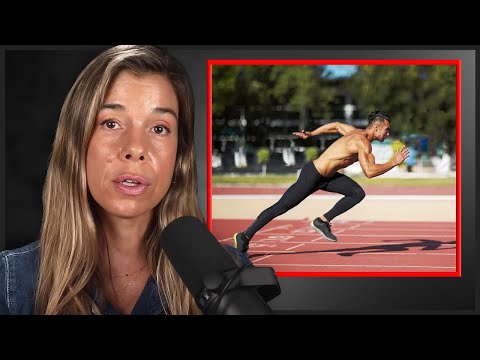
How Vigorous Exercise Supports Metabolic Health

Dec 22, 2025

“Across standardized risk reductions, the models associated one vigorous minute with roughly 4.1 moderate minutes for all-cause mortality, 7.8 minutes for cardiovascular mortality, 5.4 minutes for major cardiovascular events, and 9.4 minutes for incident type 2 diabetes.”

exercise metabolism diabetes insulin resistance
Watch clip
130
Episode
Episode

Hyperthermic Conditioning for Hypertrophy, Endurance, and Neurogenesis

Apr 10, 2014

“Dr. Rhonda Patrick discusses how conditioning the body to heat stress through sauna use, called "hyperthermic conditioning" may cause adaptations that increase athletic endurance (by increasing plasma volume and blood flow to heart and muscles) and potentially even muscle mass. She also discusses the profound effects of hyperthermic conditioning on the brain including cognitive function.”

sauna exercise brain aging
Play episode
Load more related episodes

Explore More

  • Home
  • Episodes
  • Membership
  • The Aliquot
  • About
  • Healthspan Gear
  • Genetics

Our Mission

Promoting strategies to increase healthspan, well-being, cognitive and physical performance through deeper understandings of biology. Learn more about Dr. Rhonda Patrick.

Questions?

Send us a message here

Search

Follow us here

  • Instagram
  • Twitter
  • Facebook

Watch and listen

  • YouTube
  • Apple Podcasts
  • Spotify
This site is protected by reCAPTCHA and is subject to the Google Privacy Policy and Terms of Service, as well as our own Privacy Policy and Terms of Service.