• Episodes
  • Topics
  • AMA
  • Science Digest
  • The Aliquot
  • Genetics
Sign in Become a member
Search
Back to episode

FoundMyFitness library

Related Episodes for Effects of genetics in heart disease risk | Ronald Krauss

Ranked by shared topics, with one result from each original episode.

81
Episode
Episode

COVID-19 Q&A #2 - Antibody-Dependent Enhancement, Cross-Immunity, Immunity Duration & More

Jun 10, 2020

“If you have used a consumer genetic testing service like 23andMe or AncestryDNA and want to learn more about whether or not the data indicates your specific genotype on these SNPs, check out our free viral report here.”

covid-19 vitamin d nutrition exercise
Play episode
82
Episode
Episode

Dr. David Sinclair on Informational Theory of Aging, Nicotinamide Mononucleotide, Resveratrol & More

Nov 6, 2019

“Manipulation of cellular levels of NAD+ as a strategy for slowing aging "We’ve shown that NMN and others have shown for NR that it also helps with blood flow and actually mimics exercise and regrows the vascular system.” - David Sinclair, Ph.D. As we age, however, the NAD+ levels in our bodies decline, reducing resveratrol's potency.”

aging epigenetics dna damage stem cells
Play episode
83
Clip
Clip

How Elevated Blood Sugar Affects the Brain and Heart

Apr 4, 2025

“Her practical message is to reduce the frequency and size of large glucose exposures. Foods with intact fiber, protein, and minimally processed carbohydrates digest more slowly than refined added sugar, while regular exercise gives skeletal muscle a large destination for circulating glucose.”

sugar brain aging inflammation
Watch clip
84
Clip
Clip

Environmental and genetic causes of Parkinson's disease | Giselle Petzinger

Oct 27, 2020

“While some forms of Parkinson's disease are genetic, most cases involve a complex interaction between genetic and environmental risk factors. In the early 1980s, intravenous drug users inadvertently injected a contaminated drug and developed parkinsonian symptoms overnight.”

parkinson's metabolism inflammation genetics
Watch clip
85
Episode
Episode

Epigenetic Aging: How old is your DNA?

Dec 11, 2020

“Sure, those dates on the calendar pass at the same rate for everybody, but some people appear to age slower (or faster) than others – with vastly different age-related physical changes and disease risks.”

epigenetics aging biomarkers genetic engineering
Play episode
86
Clip
Clip

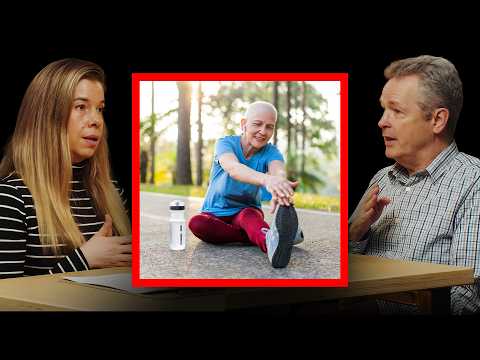
How Exercise Can Support Cancer Treatment

Mar 5, 2025

“Patients assigned to supervised exercise during neoadjuvant chemoradiation, followed by continued activity before surgery, were more likely to achieve a complete or near-complete pathological response than those receiving usual care.”

cancer exercise immune system metabolism
Watch clip
87
Clip
Clip

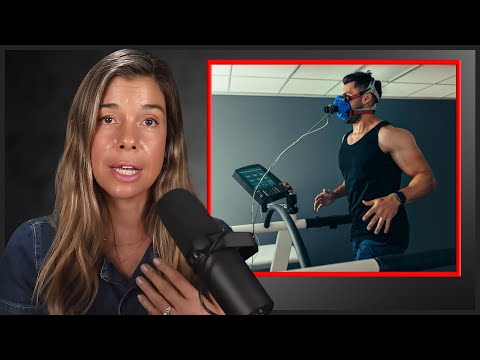
Why VO2 Max Is a Powerful Longevity Marker

Mar 12, 2024

“In this excerpt from Dr. Rhonda Patrick's A4M LongevityFest 2023 keynote, she argues that vigorous exercise is one of the most powerful tools for healthy aging because it can raise cardiorespiratory fitness.”

exercise aging performance mortality
Watch clip
88
Clip
Clip

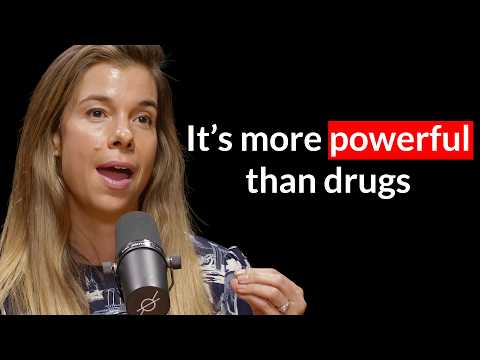
How Exercise Supports Metabolic Health, Blood Pressure, and Mood

Mar 19, 2025

“Exercise can improve blood pressure, insulin sensitivity, triglycerides, and fitness, but someone with high ApoB or LDL may still need targeted diet changes and clinician-guided lipid-lowering treatment. Mood is another major benefit.”

exercise diabetes depression blood pressure
Watch clip
89
Clip
Clip

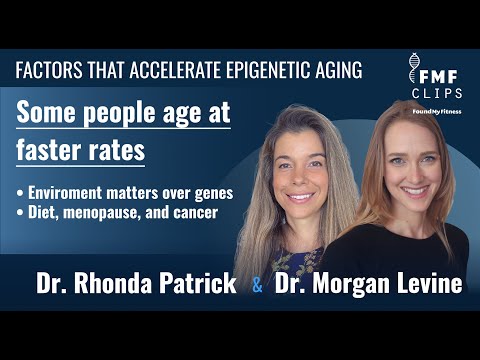
Factors that accelerate or slow epigenetic aging | Dr. Morgan Levine

May 21, 2022

“In this clip, Drs. Levine and Patrick discuss genetic and environmental factors that can accelerate or slow epigenetic aging. Dr. Levine also discusses the aging clock she created and how it can be used, along with other biomarkers, to determine an individual's rate of aging.”

epigenetics cancer aging diabetes
Watch clip
90
Clip
Clip

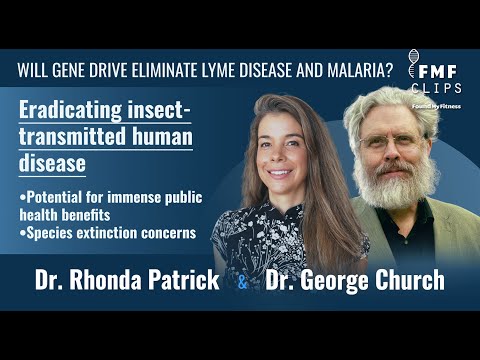
Will gene drive eliminate Lyme disease and malaria? │ Dr. George Church

Sep 2, 2022

“Geneticists like Dr. George Church, believe gene drives could be used to eliminate pathogens carried by insects, such as malaria, which is carried by a small number of mosquito species, or Lyme disease, which is carried by deer ticks.”

genetic engineering technology genetics environment
Watch clip
Load more related episodes

Explore More

  • Home
  • Episodes
  • Membership
  • The Aliquot
  • About
  • Healthspan Gear
  • Genetics

Our Mission

Promoting strategies to increase healthspan, well-being, cognitive and physical performance through deeper understandings of biology. Learn more about Dr. Rhonda Patrick.

Questions?

Send us a message here

Search

Follow us here

  • Instagram
  • Twitter
  • Facebook

Watch and listen

  • YouTube
  • Apple Podcasts
  • Spotify
This site is protected by reCAPTCHA and is subject to the Google Privacy Policy and Terms of Service, as well as our own Privacy Policy and Terms of Service.