Q&A
Q&A #84: Chemical Sunscreen Safety—Plus What Rhonda Eats
Dr. Rhonda Patrick discusses sunscreen safety, HIIT & brain health, diet, omega-3s, urolithin A, sulforaphane, homocysteine, peptides, and CoQ10.
FoundMyFitness library
Ranked by shared topics, with one result from each original episode.
Q&A
Dr. Rhonda Patrick discusses sunscreen safety, HIIT & brain health, diet, omega-3s, urolithin A, sulforaphane, homocysteine, peptides, and CoQ10.
Q&A
Dr. Rhonda Patrick discusses memory, tendon and bone health, male fertility, and the benefits of blueberries.
Q&A
Dr. Rhonda Patrick answers audience questions on various health, nutrition, and science topics in this Q&A session.
Clip
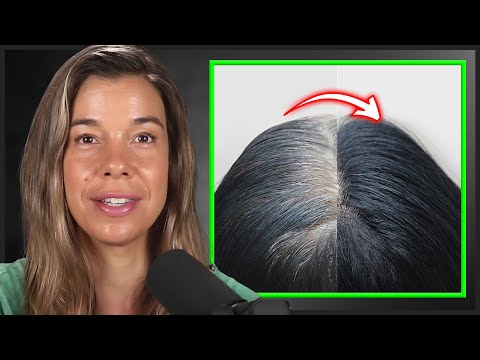
“Most common graying is strongly related to age and genetics, but selected observations suggest that stress, nutrient status, and cellular energy metabolism can influence pigment in some circumstances.”
Episode
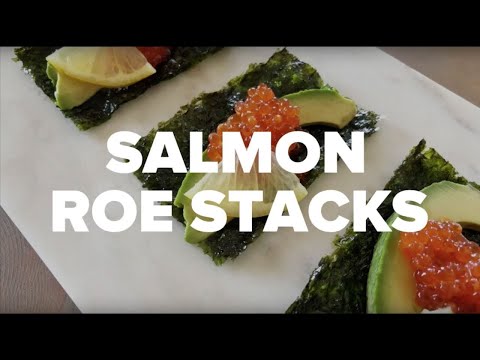
“Not only is salmon roe a good source of DHA, it also provides protein, vitamins, minerals, and astaxanthin – an antioxidant compound that gives salmon its reddish or pinkish tint. In human studies, astaxanthin reduces biomarkers of oxidative stress.”
Episode
“People that used the sauna 2-3 times per week had a 20% lower risk of Alzheimer’s disease, and those that used the sauna 4-7 times per week had a 60% lower risk of Alzheimer's disease, compared to men that used the sauna 1 time per week.”
Episode
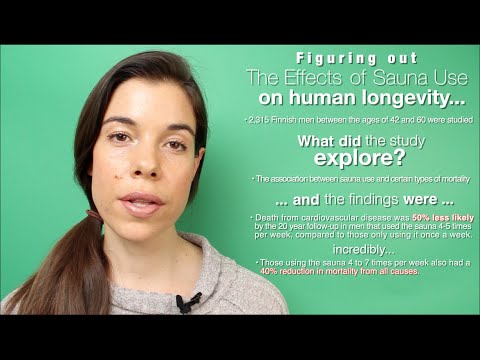
“In this video, Dr. Rhonda Patrick summarizes a recent study that found that frequency of sauna use was associated with increased decreased risk of death. Using the sauna 2-3 times per week was associated with 24% lower all-cause mortality and 4-7 times per week decreased all-cause mortality by 40%.”
Clip
“Although whole-body hyperthermia and sauna use share some similarities, whole-body hyperthermia sessions are typically longer (an hour or more) and the participant's head is spared (often kept cool with ice or cool cloths), prolonging the participant's tolerance to the intense heat.”
Episode
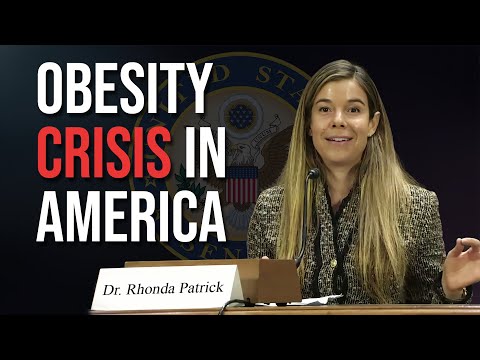
“A staggering 60% of all calories Americans consume come from ultra-processed foods that fail to induce proper satiety, remain cheaper than whole foods, and hijack our dopamine reward pathways, pushing us to overeat, incentivizing unhealthy food choices, and reinforcing addictive eating behaviors.”
Episode
“This is a video on how to plausibly increase the sulforaphane created from the glucoraphanin in your broccoli sprouts by up to 3.5-fold, based on the results of a 2004 Phytochemistry paper entitled "Heating decreases epithiospecifier protein activity and increases sulforaphane formation in broccoli."”