Q&A
Q&A #6: Fasting, Omega-3s, & Continuous Glucose Monitoring
Dr. Rhonda Patrick answers audience questions on various health, nutrition, and science topics in this Q&A session.

FoundMyFitness library
Ranked by shared topics, with one result from each original episode.
Q&A
Dr. Rhonda Patrick answers audience questions on various health, nutrition, and science topics in this Q&A session.
Q&A
Dr. Rhonda Patrick discusses if smoked salmon is carcinogenic, high-dose melatonin, creatine on workout vs. non-workout days, and the Neurocode brain scan.
Q&A
Dr. Rhonda Patrick discusses protein needs, choline in pregnancy, urolithin A, melatonin's benefits and risks, and creatine's effects on liver health.
Q&A
Dr. Rhonda Patrick answers audience questions on various health, nutrition, and science topics in this Q&A session.

Episode
“Whereas its link to diabetes is well known, what is likely underappreciated is that refined sugar may be linked to as many as 200,000 deaths worldwide each year from diabetes, cardiovascular disease, and cancer combined. Refined sugar also affects the brain.”
Episode
“In this episode, Rhonda gives a summary of the science of resveratrol including its effects in animals and humans, the mechanisms behind how it works, and the bottom line on resveratrol supplementation and safety. A few key moments... For a more in-depth timeline, as well as references for this episode, click the timeline tab. Learn more about resveratrol on our overview page”
Clip
“Clinical trials have unearthed evidence that is suggestive of the possibility that amyloid-beta build-up in the brain may be being attenuated, as well as an improvement in cognitive function in people with Alzheimer’s disease.”
Episode
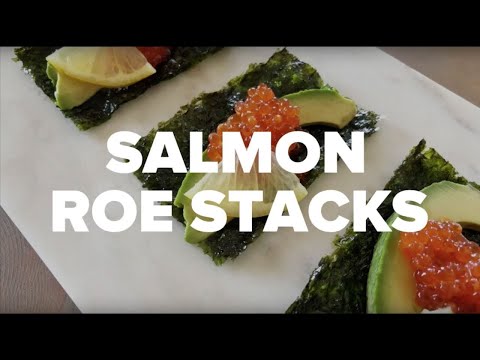
“Not only is salmon roe a good source of DHA, it also provides protein, vitamins, minerals, and astaxanthin – an antioxidant compound that gives salmon its reddish or pinkish tint. In human studies, astaxanthin reduces biomarkers of oxidative stress.”
Episode
“In the past, humans' primary exposure to blue light was from the sun, but in modern times, electronic devices – TVs, computer screens, and cell phones – expose us to increasing amounts of blue light, often during times of the day or night that are out of sync with our bodies' natural rhythms.”
Clip
“Sauna use is associated with reduced risk of many diseases, including cardiovascular and neurodegenerative diseases. One mechanism that drives this reduced risk is likely heat shock proteins, a class of proteins produced by cells in response to stressful conditions such as heat exposure.”