• Episodes
  • Topics
  • AMA
  • Science Digest
  • The Aliquot
  • Genetics
Sign in Become a member
Search
Back to episode

FoundMyFitness library

Related Episodes for Could omega-3 prevent dementia? | Axel Montagne, Ph.D.

Ranked by shared topics, with one result from each original episode.

201
Clip
Clip

How much protein should you eat? Muscle growth vs. IGF-1 longevity concerns | Rhonda Patrick

Jul 15, 2019

“Whereas fasting turns off multiple pathways associated with aging, such as mTOR and IGF-1, eating for optimal fitness activates these important processes. The IGF-1 pathway, in particular, plays key roles in growth and is strongly associated with cancer.”

fasting aging hormones stem cells
Watch clip
202
Clip
Clip

How Rhonda Patrick and Peter Attia Compare Their Supplement Routines

May 22, 2024

“Melatonin appears in the comparison as a personal, goal-specific choice rather than a universal nightly supplement. Dr. Patrick also discusses glycine, collagen, myo-inositol, and other non-overlapping items with different levels of evidence.”

vitamin d omega-3 micronutrients magnesium
Watch clip
203
Episode
Episode

How to Grow Broccoli Sprouts

Nov 16, 2020

The video serves as a companion to our 15-page Sprouting Guide (https://www.foundmyfitness.com/sprouting) + Q&A with Dr. Jed Fahey (https://www.foundmyfitness.com/episodes/jed-fahey-q-a) – an illustrated manual to the basics of sprouting that includes a brief summary of the science of sulforaphane plus insights from one of the top researchers in the field of chemoprotection.

sulforaphane alzheimer's cancer cardiovascular
Play episode
204
Clip
Clip

How to Time Supplements for Better Absorption

Feb 16, 2026

“A second randomized trial found that a single vitamin D3 dose taken with food increased vitamin D status, with a larger rise when the meal contained at least 15 grams of fat. These findings support taking vitamin D with a meal that contains some fat.”

vitamin d nutrition omega-3 magnesium
Watch clip
205
Clip
Clip

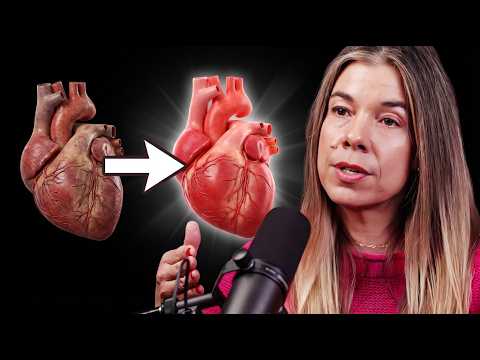
How Two Years of Exercise Improved Heart Stiffness in Midlife

Apr 20, 2026

“In this clip from Dr. Rhonda Patrick's appearance on Next Question with Katie Couric, she explains how sustained exercise can improve cardiovascular fitness and the heart's ability to fill efficiently during middle age.”

exercise aging heart disease blood-brain barrier
Watch clip
206
Clip
Clip

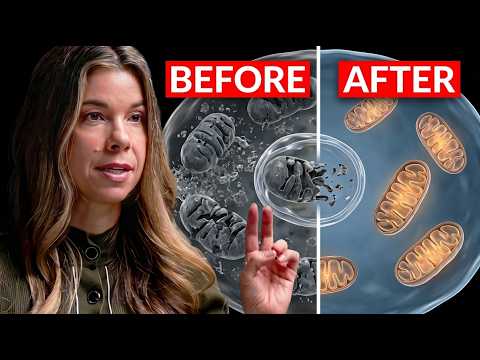
How Urolithin A Supports Mitochondrial Health

Aug 14, 2026

“In later randomized trials, urolithin A improved some laboratory measures of muscle endurance or hamstring strength, but it did not significantly improve key primary outcomes such as six-minute walk distance, muscle ATP production, or peak power.”

exercise aging performance immune system
Watch clip
207
Clip
Clip

How Vigorous Exercise Protects Fitness With Age

Dec 15, 2025

“In the five-year Generation 100 trial, adults ages 70 to 77 completed supervised high-intensity interval training or moderate continuous training, demonstrating that structured vigorous exercise can be feasible in older populations when it is introduced progressively and matched to health and fitness.”

exercise aging rhonda muscle
Watch clip
208
Episode
Episode

Is there a limit to human longevity?

Jul 20, 2022

“There's a lot of exciting research right now into aging and maximum lifespan, but scientists have really just scratched the surface of the fascinating topic of how to live longer, healthier lives. Relevant Publications Rootzén, Holger, and Dmitrii Zholud.”

aging exercise epigenetics metabolism
Play episode
209
Episode
Episode

Nutrigenomics, Epigenetics, and Stress Tolerance (IHMC Talk #1)

Nov 8, 2017

“In this talk, we’ll be exploring the intersection between genetics, nutrition, and environment: how your diet, micronutrients, exercise, heat stress, and sleep can change the expression of your genes and how this has profound effects on the way your body functions and ages.”

epigenetics vitamin d nutrition exercise
Play episode
210
Clip
Clip

Immune stimulation may treat depression via cytokines that boost neurotrophic factors | Charles Raison

Nov 5, 2019

“Elevated biomarkers of inflammation, which are commonly observed in people who have depression, chronically activate the body's inflammatory response system, promoting the development of depressive symptoms and inducing changes in brain and neuroendocrine function.”

depression biomarkers inflammation dementia
Watch clip
Load more related episodes

Explore More

  • Home
  • Episodes
  • Membership
  • The Aliquot
  • About
  • Healthspan Gear
  • Genetics

Our Mission

Promoting strategies to increase healthspan, well-being, cognitive and physical performance through deeper understandings of biology. Learn more about Dr. Rhonda Patrick.

Questions?

Send us a message here

Search

Follow us here

  • Instagram
  • Twitter
  • Facebook

Watch and listen

  • YouTube
  • Apple Podcasts
  • Spotify
This site is protected by reCAPTCHA and is subject to the Google Privacy Policy and Terms of Service, as well as our own Privacy Policy and Terms of Service.