Q&A
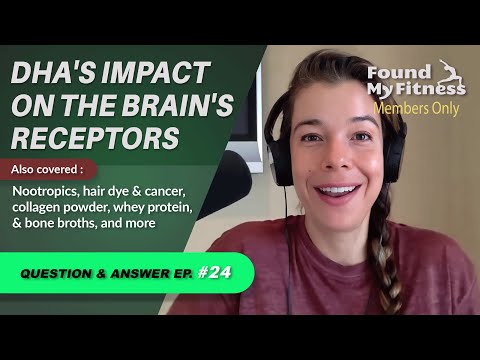
Q&A #24: How to Improve Memory—Exercise, Ketosis, DHA, & Brain Health
Dr. Rhonda Patrick answers audience questions on various health, nutrition, and science topics in this Q&A session.
FoundMyFitness library
Ranked by shared topics, with one result from each original episode.
Q&A
Dr. Rhonda Patrick answers audience questions on various health, nutrition, and science topics in this Q&A session.
Episode
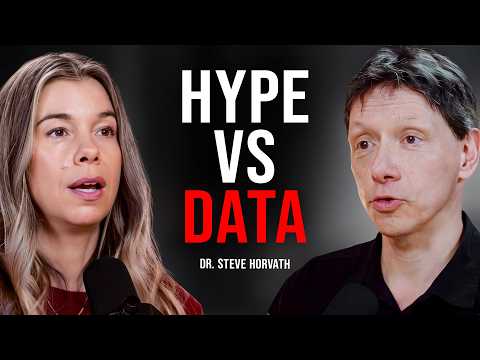
“Rhonda and Steve discuss calorie restriction, GLP-1 therapy, multivitamins, omega-3s, vitamin D, vegetables, red meat, exercise, heat exposure, sleep, social connection, consumer testing, AI-built clocks, partial reprogramming, and why no single intervention is likely to stop aging on its own.”
Clip
“In this clip from Q&A #70, Dr. Rhonda Patrick organizes cancer prevention around the largest modifiable foundations: avoid tobacco, maintain a healthy body composition, and stay physically active.”
Clip
“In a small crossover trial involving people with insulin resistance, six one-minute intense intervals performed before the three main meals improved daily glucose control compared with one continuous 30-minute session.”
Clip
“In this clip from Dr. Rhonda Patrick's appearance on The Tim Ferriss Show, she describes the supplements her parents use and separates a simple nutritional baseline from choices tied to individual health needs.”
Clip
“In more than 2,000 adults ages 51 to 80, higher Sitting-Rising Test scores were associated with longer survival, making floor-transfer ability a useful marker of functional capacity. Floor time can include cross-legged sitting, kneeling, side-sitting, or sitting with the legs extended.”
Clip
In this clip, Dr. Patrick explains how intense exercise beneficially alters tryptophan and kynurenine metabolism in a way that may benefit depression.
Clip
“Metformin, a drug commonly used to treat type 2 diabetes, has garnered interest as a longevity compound because it was shown to extend lifespan in some animal models. These effects are variable and seem to depend on the age and gender of the animals, as well as the dose provided.”
Clip
“In this clip, Dr. Michael Snyder discusses how people age in distinct ways and at varying rates and how knowing our "ageotype" might offer targets for preventing age-related diseases.”
Clip
“In this clip, Drs. Levine and Patrick discuss definitions of aging used in science and why biological aging matters to scientists. Dr. Levine shares the hallmarks of aging that help researchers determine someone's biological age, what drives accelerated aging, and what epigenetic modifications such as CpG methylation say about the aging process.”