• Episodes
  • Topics
  • AMA
  • Science Digest
  • The Aliquot
  • Genetics
Sign in Become a member
Search
Back to episode

FoundMyFitness library

Related Episodes for Resveratrol: dosage and effect on cardiovascular health | David Sinclair

Ranked by shared topics, with one result from each original episode.

111
Episode
Episode

Dr. Dale Bredesen on Preventing and Reversing Alzheimer's Disease

Oct 1, 2018

“00:20:21 - Some of the key blood-based biomarkers that are useful for tracking and projecting future cognitive health, including: homocysteine (<7μml/L preferred), which Dr. Bredesen indicates may be a mediator of cerebral atrophy, and also fasting insulin (<5% preferred), hemoglobin A1c, fasting glucose, vitamin D, and a number of other hormones relevant for trophic support.”
alzheimer's brain diet aging
Play episode
112
Episode
Episode

Why AI Could Add Decades to Your Lifespan | Dr. Derya Unutmaz

Jul 22, 2026

“Tools, companies, and resources mentioned OpenAI - AI research and deployment company behind widely used GPT systems and developer tools; its science case study describes GPT-5 helping Unutmaz's lab resolve a long-standing immunology question.”

technology genetic engineering diagnostics aging
Play episode
113
Episode
Episode

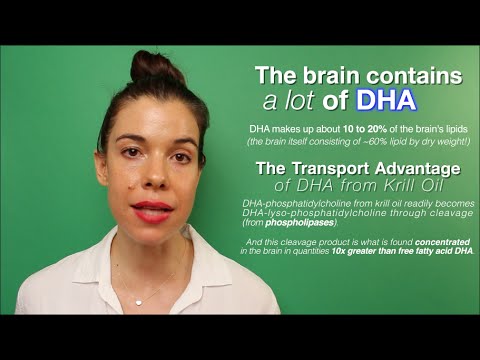
The Phospholipid Brain-DHA Advantage

Sep 29, 2014

“Dr. Rhonda Patrick discusses the differences between different forms of DHA in terms of bioavailability and transport into different cells. She talks about why a specific type of DHA (DHA in phosphatidylcholine) is more readily transported into the brain because it forms DHA-lysophsophatidylcholine.”

omega-3 nutrition brain diet
Play episode Duration: 10m 49s
114
Clip
Clip

Why your digestive system needs rest (justification for daily fasting) | Ruth Patterson

Jul 12, 2019

“In this clip, Dr. Ruth Patterson describes how eating following the body's circadian clock, eating during the day and fasting at night, enables the body to focus on repair rather than on the digestion of food.”

breast cancer inflammation dna damage fasting
Watch clip
115
Clip
Clip

How Elevated Blood Sugar Affects the Brain and Heart

Apr 4, 2025

“Her practical message is to reduce the frequency and size of large glucose exposures. Foods with intact fiber, protein, and minimally processed carbohydrates digest more slowly than refined added sugar, while regular exercise gives skeletal muscle a large destination for circulating glucose.”

sugar brain aging inflammation
Watch clip
116
Episode
Episode

Epigenetic Aging: How old is your DNA?

Dec 11, 2020

“Sure, those dates on the calendar pass at the same rate for everybody, but some people appear to age slower (or faster) than others – with vastly different age-related physical changes and disease risks.”

epigenetics aging biomarkers genetic engineering
Play episode
117
Clip
Clip

Exercise and Nutrition Strategies That Support Bone Density After 65

Mar 13, 2026

“In a two-year trial of 237 postmenopausal women, approximately 9 to 10 grams per day combined with resistance training and walking did not add a bone-density benefit, so its role is better framed around muscle and physical function.”

menopause vitamin d exercise aging
Watch clip
118
Clip
Clip

How Exercise Can Support Cancer Treatment

Mar 5, 2025

“Patients assigned to supervised exercise during neoadjuvant chemoradiation, followed by continued activity before surgery, were more likely to achieve a complete or near-complete pathological response than those receiving usual care.”

cancer exercise immune system metabolism
Watch clip
119
Clip
Clip

HIIT Protocols for Metabolic Health, Body Composition, and Mitochondria

Oct 10, 2024

“A larger randomized-trial meta-analysis also found modest average reductions in BMI, waist circumference, and body-fat percentage, although protocols and populations varied. These averages do not mean that HIIT alone guarantees fat loss.”

exercise metabolism mitochondria blood sugar
Watch clip
120
Episode
Episode

The Best Type of Exercise for Longevity

Dec 8, 2025

“The physical activity guidelines and estimates on how much activity we need are heavily based on self-reported activity, which is useful but imperfect: people remember going for a run, but they forget the short, intense bursts in daily life like sprinting up stairs, chasing kids, and running to catch a bus.”

exercise mitochondria muscle aerobic
Play episode
Load more related episodes

Explore More

  • Home
  • Episodes
  • Membership
  • The Aliquot
  • About
  • Healthspan Gear
  • Genetics

Our Mission

Promoting strategies to increase healthspan, well-being, cognitive and physical performance through deeper understandings of biology. Learn more about Dr. Rhonda Patrick.

Questions?

Send us a message here

Search

Follow us here

  • Instagram
  • Twitter
  • Facebook

Watch and listen

  • YouTube
  • Apple Podcasts
  • Spotify
This site is protected by reCAPTCHA and is subject to the Google Privacy Policy and Terms of Service, as well as our own Privacy Policy and Terms of Service.