Q&A
Q&A #28: Lowering Heart Disease Risk—Functional Foods, Statins, & Cholesterol
Dr. Rhonda Patrick answers audience questions on various health, nutrition, and science topics in this Q&A session.
FoundMyFitness library
Ranked by shared topics, with one result from each original episode.
Q&A
Dr. Rhonda Patrick answers audience questions on various health, nutrition, and science topics in this Q&A session.
Q&A
Dr. Rhonda Patrick answers audience questions on various health, nutrition, and science topics in this Q&A session.
Q&A
Dr. Rhonda Patrick answers audience questions on various health, nutrition, and science topics in this Q&A session.

Q&A
Dr. Rhonda Patrick explores collagen peptides, high-dose niacin and vitamin B6, avoiding nano- and microplastics in her latest Q&A.
Q&A
Dr. Rhonda Patrick discusses if smoked salmon is carcinogenic, high-dose melatonin, creatine on workout vs. non-workout days, and the Neurocode brain scan.
Q&A
Dr. Rhonda Patrick discusses protein needs, choline in pregnancy, urolithin A, melatonin's benefits and risks, and creatine's effects on liver health.
Episode
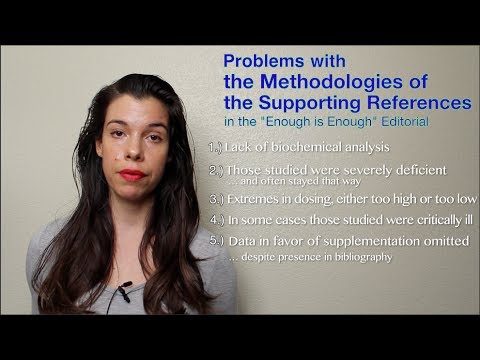
“In this podcast, we discuss and critically analyze a recent headline-grabbing editorial that was published in the Annals of Internal Medicine that reviewed three studies on the topic of multivitamins and chronic disease prevention. We analyze the important shortcomings of the studies and talk about the mechanism.”
Clip
“Exercise, weight management, tobacco avoidance, and alcohol reduction remain useful, but they complement rather than replace genetic counseling, enhanced surveillance, medication, or risk-reducing surgery when clinically indicated.”
Clip
“In a small randomized crossover trial, a single high dose of creatine improved selected cognitive outcomes during acute sleep deprivation, adding context for her interest in higher doses during travel or sleep loss.”
Episode
“A staggering 60% of all calories Americans consume come from ultra-processed foods that fail to induce proper satiety, remain cheaper than whole foods, and hijack our dopamine reward pathways, pushing us to overeat, incentivizing unhealthy food choices, and reinforcing addictive eating behaviors.”