• Episodes
  • Topics
  • AMA
  • Science Digest
  • The Aliquot
  • Genetics
Sign in Become a member
Search
Back to episode

FoundMyFitness library

Related Episodes for Sulforaphane’s positive effects on brain health and autism | Jed Fahey

Ranked by shared topics, with one result from each original episode.

211
Episode
Episode

How to Solve Aging in America

Feb 19, 2025

“A staggering 60% of all calories Americans consume come from ultra-processed foods that fail to induce proper satiety, remain cheaper than whole foods, and hijack our dopamine reward pathways, pushing us to overeat, incentivizing unhealthy food choices, and reinforcing addictive eating behaviors.”

nutrition exercise obesity aging
Play episode
212
Episode
Episode

How To Increase Sulforaphane in Broccoli Sprouts by ~3.5-fold

Nov 16, 2017

“This is a video on how to plausibly increase the sulforaphane created from the glucoraphanin in your broccoli sprouts by up to 3.5-fold, based on the results of a 2004 Phytochemistry paper entitled "Heating decreases epithiospecifier protein activity and increases sulforaphane formation in broccoli."”

sulforaphane diet video nrf2
Play episode
213
Clip
Clip

Should you use the sauna before or after your workout? | Jari Laukkanen

Jul 15, 2019

“Exercise promotes the release of insulin-like growth factor-1 and its downstream targets, growth hormone and brain-derived neurotrophic factor, to drive muscle and neuron growth. Sauna use increases these factors, too, and when used post-exercise, may have a synergistic effect to improve cardiovascular, musculoskeletal, and neurological health.”

sauna exercise brain
Watch clip
214
Episode
Episode

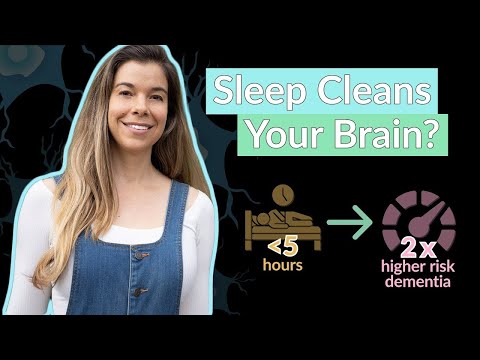
The Hidden Connection Between Sleep and Dementia

Apr 14, 2021

“Although scientists have identified other lifestyle behaviors that can help prevent the build-up of amyloid plaques by boosting the capacity for glymphatic clearance – such as exercise and adequate intake of omega-3 – the most important factor by far is a good night's sleep, especially deep sleep.”

sleep brain alzheimer's
Play episode
215
Episode
Episode

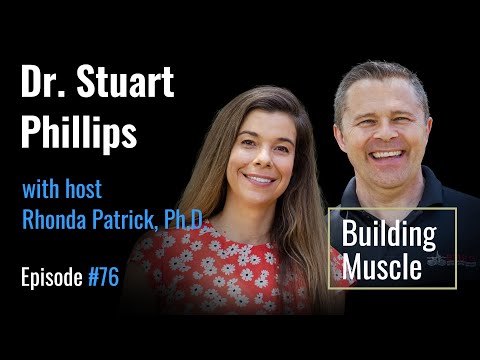
Stuart Phillips, PhD, on Building Muscle with Resistance Exercise and Reassessing Protein Intake

Jun 29, 2022

“Based on findings from more recent studies using stable isotopes, which more accurately assess muscle protein anabolism and catabolism, Dr. Phillips believes that eating 1.2 to 1.6 grams of protein per kilogram of bodyweight (about 0.5 to 0.7 grams per pound) is likely optimal for muscle protein synthesis, especially as one ages.”

exercise vitamin d nutrition diet
Play episode
216
Clip
Clip

How to Evaluate Lead Exposure From Greens Powders

Jun 20, 2025

“A practical review should look for recent lot-specific testing, a clearly named independent laboratory, and results that report actual amounts rather than only saying a product passed. Greens powders are optional convenience products, not replacements for fruits and vegetables.”

supplements brain pregnancy micronutrients
Watch clip
217
Episode
Episode

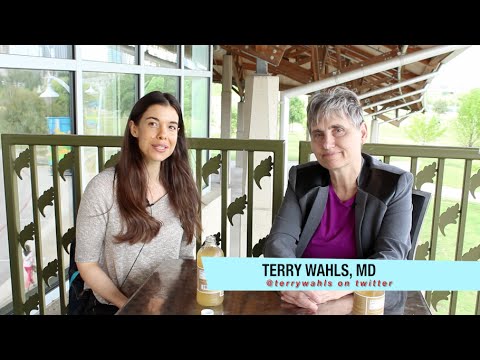
Dr. Terry Wahls Discusses Her Multiple Sclerosis Protocol

Jul 22, 2014

“In this video, Dr. Rhonda Patrick interviews Dr. Terry Wahls about how she reversed her secondary-progressive multiple sclerosis with a micronutrient-dense diet and Paleo principles.”

nutrition brain diet epigenetics
Play episode
218
Clip
Clip

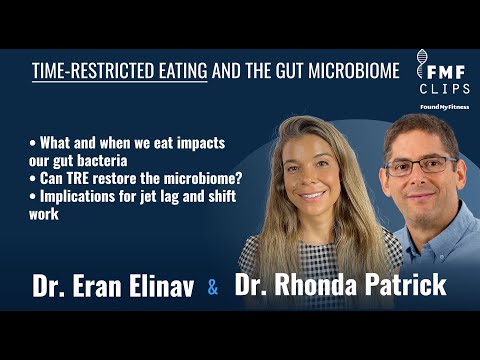
How does time-restricted eating affect the gut microbiome | Dr. Eran Elinav

Feb 21, 2022

“Normalizing the timing of food intake via time-restricted eating may help restore microbiome composition, potentially offsetting the increased disease risk. In this clip, Dr. Eran Elinav describes how the circadian rhythmicity of the microbiome is regulated and how this affects human health.”

microbiome nutrition diabetes circadian rhythm
Watch clip
219
Clip
Clip

How Vitamin D Status Relates to Dementia Risk

Jun 30, 2025

“A national survey analysis estimated 2.6% severe deficiency, 22% moderate deficiency, and 40.9% insufficiency among US adults, although prevalence changes with the threshold used. These categories should remain distinct because insufficiency is not the same as clinical deficiency.”

vitamin d brain aging micronutrients
Watch clip
220
Clip
Clip

What is the "master clock" or Suprachiasmatic Nucleus? | Satchin Panda

Jul 12, 2019

“The SCN, in turn, coordinates the body's peripheral clocks, such as those found in the liver, pancreas, muscles, and fatty tissue, driving rhythms of rest and activity that determine eating-fasting cycles.”

circadian rhythm brain metabolism neurodegeneration
Watch clip
Load more related episodes

Explore More

  • Home
  • Episodes
  • Membership
  • The Aliquot
  • About
  • Healthspan Gear
  • Genetics

Our Mission

Promoting strategies to increase healthspan, well-being, cognitive and physical performance through deeper understandings of biology. Learn more about Dr. Rhonda Patrick.

Questions?

Send us a message here

Search

Follow us here

  • Instagram
  • Twitter
  • Facebook

Watch and listen

  • YouTube
  • Apple Podcasts
  • Spotify
This site is protected by reCAPTCHA and is subject to the Google Privacy Policy and Terms of Service, as well as our own Privacy Policy and Terms of Service.