1
Collection
What FoundMyFitness Has Covered
PremiumConcussion is not always a short-lived event: repeated injuries are associated with progressively worse cognitive deficits, and three or more concussions are linked with poorer brain function later in life. Among people with prior concussion, 17%…
Your Premium Brief connects insights across FoundMyFitness to help you see the bigger picture.
Based on available source text from 8 of the first 10 results.
2

Science Digest
Sleep deprivation mimics symptoms of post-concussion syndrome.
“Concussions are common among student athletes and can affect memory, judgment, reflexes, speech, balance, and coordination. Findings from a recent study suggest that sleep deprivation mimics many of the symptoms of post-concussion syndrome.”
3
Science Digest
Harmful effects of concussion are still present six months post-injury.
“People who experience three or more concussions tend to exhibit cognitive deficits that worsen with each subsequent concussion. These findings indicate that even mild concussions can have long-term deleterious effects on the brain.”
4
Science Digest
Three or more concussions may worsen brain function later in life.
“Experiencing multiple concussions increases a person's risk of poor brain function later in life, a new study shows. People who experienced three or more concussions exhibited cognitive deficits that worsened with each subsequent concussion.”
5
Science Digest
Tiny brain hemorrhages found in 17% of people who've had a concussion—increasing their risk for dementia.
“Of these, 17% had evidence of brain microbleeds, and the more concussions they experienced, the more microbleeds they had. Those who had experienced a concussion tended to have poorer sleep and more gait disturbances, depression symptoms, and memory deficits than those without a concussion.”
6
Science Digest
Starting low-impact aerobic activity such as stationary cycling as early as 24 hours after a concussion may improve recovery time.
“Delaying exercise three and seven days post-concussion was associated with a 46% and 83% slower recovery back to school and work, respectively. Exercise has many positive effects on the brain including the production of anti-inflammatory and antioxidant factors, and the production of growth factors and neurotrophic factors that produce new neurons and allow existing neurons to survive.”
7
 Clip
Clip
Clip
How Glutamine Supports Immune and Gut Energy
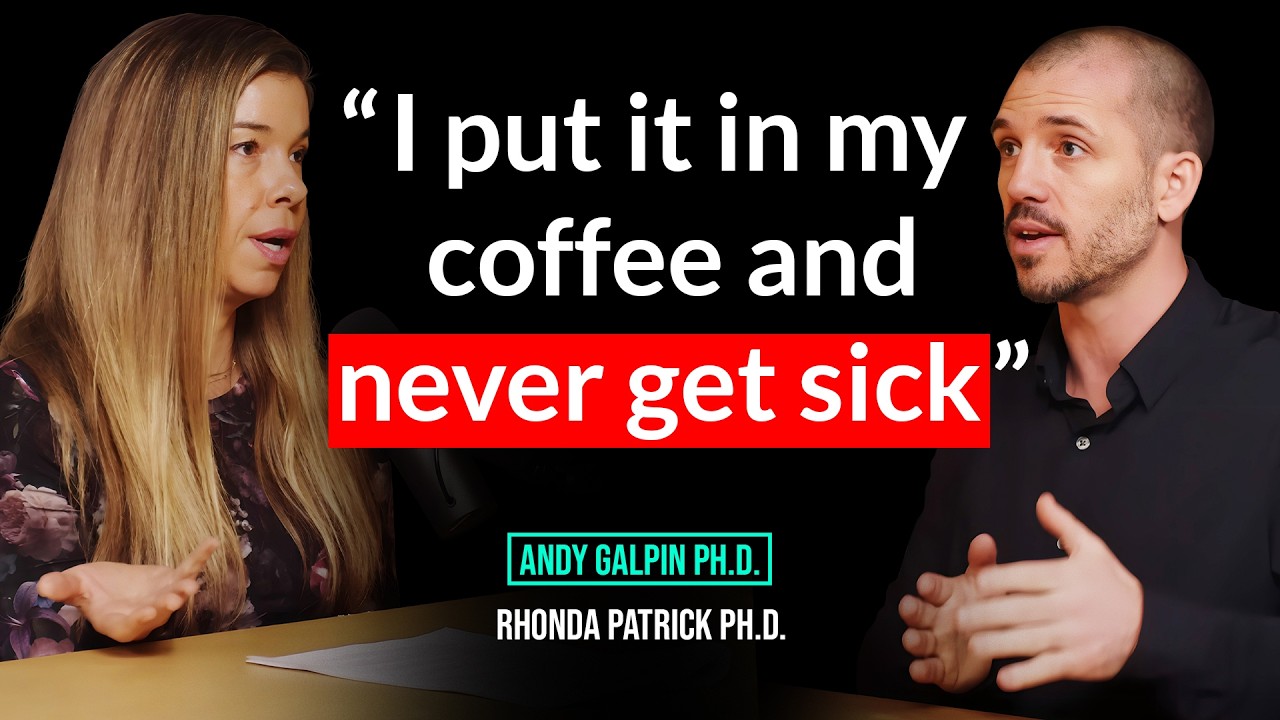
“Some tumors use glutamine as a fuel, so a person with active cancer should not infer safety or benefit from athlete protocols and should discuss supplementation with the oncology team. Dr. Galpin describes glutamine as one component of an emerging nutrition framework before and after concussion, drawing on a recent review and his practical use.”
8
Science Digest
Omega-3 supplementation linked to lower levels of brain injury markers in athletes exposed to repeated subconcussive impacts.
“A subconcussive head impact is a minor blow to the head that does not cause immediate symptoms of a concussion but can still lead to cumulative brain damage over time. Athletes frequently sustain hundreds of these minor impacts each season, allowing them to accumulate unnoticed.”
9
Science Digest
A new blood test may be able to detect whether a person has suffered a concussion with 97% accuracy.
“This biomarker (called glial fibrillary acidic protein) is released upon injury to the brain and can stay in the bloodstream for up to a week and may possibly eliminate the need for radiation-exposing CT scans.”
10
Results 1–10 of 23