Q&A
Q&A #28: Lowering Heart Disease Risk—Functional Foods, Statins, & Cholesterol
Dr. Rhonda Patrick answers audience questions on various health, nutrition, and science topics in this Q&A session.
Search could not finish. Try again.
Found 309 matches across the FoundMyFitness library.
Q&A
Dr. Rhonda Patrick answers audience questions on various health, nutrition, and science topics in this Q&A session.

Q&A
Dr. Rhonda Patrick answers audience questions on various health, nutrition, and science topics in this Q&A session.
Clip
“Some types of inflammation are damaging to the body, while others, usually more transient and playing a signaling role, can be beneficial. Chronic inflammation creates reactive oxygen species that damage DNA, cellular proteins, and lipids.”
Q&A
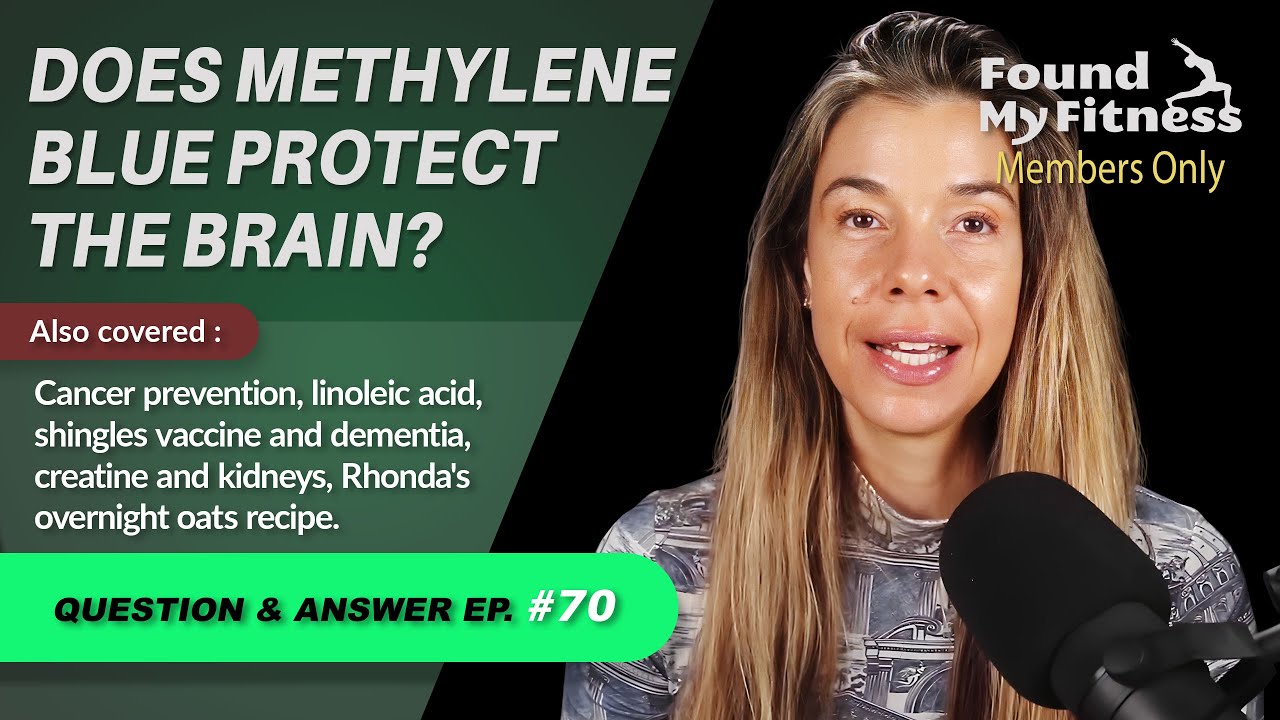
Dr. Rhonda Patrick discusses cancer prevention, linoleic acid, shingles vaccine and dementia, creatine's kidney effects, and shares her overnight oats recipe.
Clip
“Dr. Patrick also discusses glucose, HbA1c, fasting insulin, kidney and electrolyte markers, hs-CRP, fibrinogen, thyroid tests, CBC, vitamin D, sex hormones, IGF-1, and the Omega-3 Index.”
Clip
“In contrast, a five-week trial in 181 people with diabetic polyneuropathy found that oral alpha-lipoic acid improved symptom scores, with more nausea, vomiting, and vertigo at higher doses. PQQ has a much smaller human evidence base.”
Clip
“Dr. Patrick and Dr. Hyman also discuss protein leverage as one possible explanation for continued eating when a diet supplies a lower proportion of protein. A randomized inpatient crossover trial tested this question directly.”
Clip
“While there are no human clinical studies evaluating the effectiveness of melatonin for COVID-19, melatonin has been shown to prevent acute lung injury and acute respiratory distress syndrome due to viral infection in animal studies.”
Clip
“In a separate analysis of seven intervention trials involving people with type 2 diabetes, HbA1c fell by about 0.71 percentage points, total cholesterol by 23 mg/dL, and LDL cholesterol by 22 mg/dL.”
“These changes increase infection risk, weaken vaccine responses, and reduce early cancer surveillance. Yet immune aging is not fixed. Movement, sleep, stress regulation, temperature exposure, and nutrition shape immune cell balance and inflammatory activity over time.”
Results 111–120 of 309
Premium Members received this study with Rhonda’s practical commentary and 8+ other hand-picked papers. Get the Science Digest delivered every other week.
Every other week our Premium Members receive deep dives like this alongside Rhonda's commentary and 8+ other hand-picked papers.