Q&A
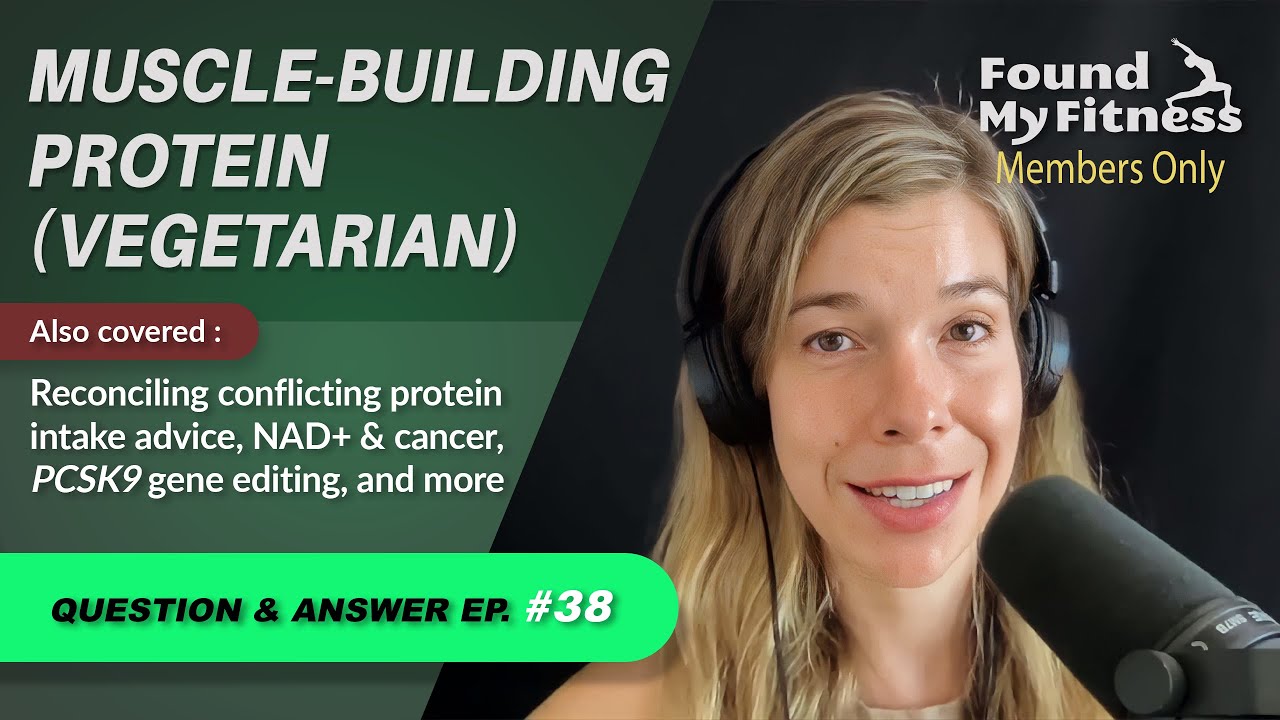
Q&A #38: Protein for Muscle and Longevity—Plant Sources, mTOR, & Cancer
Dr. Rhonda Patrick answers audience questions on various health, nutrition, and science topics in this Q&A session.
Search could not finish. Try again.
Found 308 matches across the FoundMyFitness library.
Q&A
Dr. Rhonda Patrick answers audience questions on various health, nutrition, and science topics in this Q&A session.

Q&A
Dr. Rhonda Patrick answers audience questions on various health, nutrition, and science topics in this Q&A session.
Episode
“Without glycolysis, lactate production is halted, and the brain, which prefers lactate as a fuel, starves. Brooks and his colleagues are looking at ways to provide lactate to the injured brain to ameliorate the deleterious effects of trauma.”
Q&A
Dr. Rhonda Patrick answers audience questions on various health, nutrition, and science topics in this Q&A session.
Episode
“IGF-1 is a double-edged sword Protein-rich diets, especially those high in animal protein, increase IGF-1 levels. IGF-1 supports muscle growth, repair, and brain health but may also promote the survival of precancerous cells, potentially raising cancer risk.”
Episode
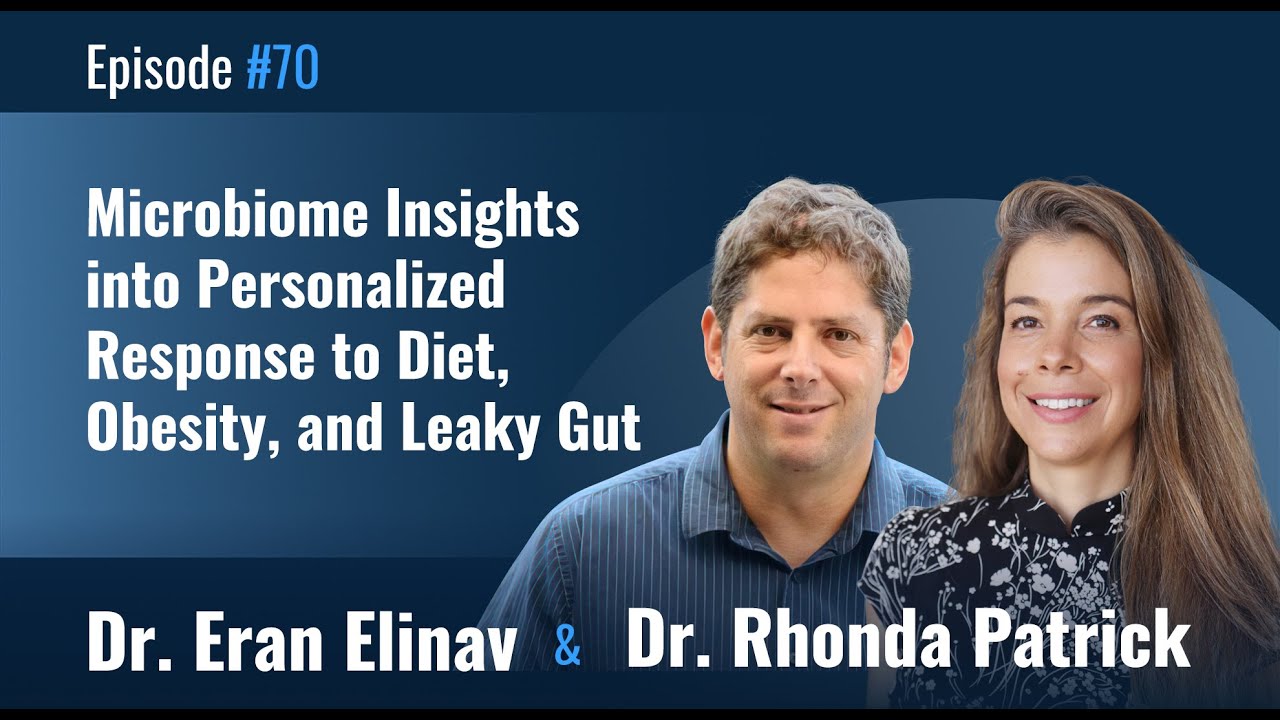
“These molecules, sometimes referred to as metabolites or postbiotics – are taken up in the gut and enter the body's circulation, where they can have far-reaching effects on multiple organ systems, says Dr. Elinav. In fact, half or more of the molecules circulating in our blood may have originated in or been modulated by the gut microbiome.”
Episode
“Blood flow restriction (BFR) involves using a compressive cuff to partially reduce arterial blood flow and restrict venous return. It enhances muscle hypertrophy and improves skeletal muscle endurance.”
“RBM3 increases protein synthesis at the ends of dendrites – where synapses form – and protects the brain from cognitive and behavioral deficits associated with some neurodegenerative diseases.”
“Preventing dementia requires a lifelong and multipronged approach that involves keeping inflammation (and its aging effects) at bay and making healthy lifestyle choices, such as exercising and consuming omega-3 fatty acids.”
“In this Aliquot, we share a variety of segments from different interviews covering some of the unconventional effects of omega-3 fatty acids and how to overcome some of the roadblocks to obtaining these effects.”
Results 131–140 of 308
Premium Members received this study with Rhonda’s practical commentary and 8+ other hand-picked papers. Get the Science Digest delivered every other week.
Every other week our Premium Members receive deep dives like this alongside Rhonda's commentary and 8+ other hand-picked papers.