Q&A
Q&A #18: How to Test Blood Lipids—and Which Magnesium Form Is Best?
Dr. Rhonda Patrick answers audience questions on various health, nutrition, and science topics in this Q&A session.

Search could not finish. Try again.
Found 173 matches across the FoundMyFitness library.
Q&A
Dr. Rhonda Patrick answers audience questions on various health, nutrition, and science topics in this Q&A session.
“Individual responses to diet can be influenced by a person's genetic makeup, however. Knowing a person's genetic factors influencing their response to diet may be beneficial component of a multi-part strategy developed in coordination with professional care for keeping ApoB in check.”
Episode
“Blood-brain barrier - Another membranous barrier in the body that loses its integrity with age. Increased microbial toxins in the blood because of increased intestinal permeability is a source of stress for the blood-brain barrier, injuring neurons and promoting disease.”
Episode
“Dr. Fahey’s work focuses on understanding the mechanisms that plants use to protect themselves against stress – specifically the production of compounds that may influence disease prevention and even improve healthspan in humans.”
Episode
“The pivotal role fiber plays in fueling good bacteria in the gut that act like "miniature drug factories" which produce compounds that regulate the immune system by increasing the number of T regulatory cells, which are specialized types of immune cells that keep the immune system in check and prevent autoimmune responses.”
Episode
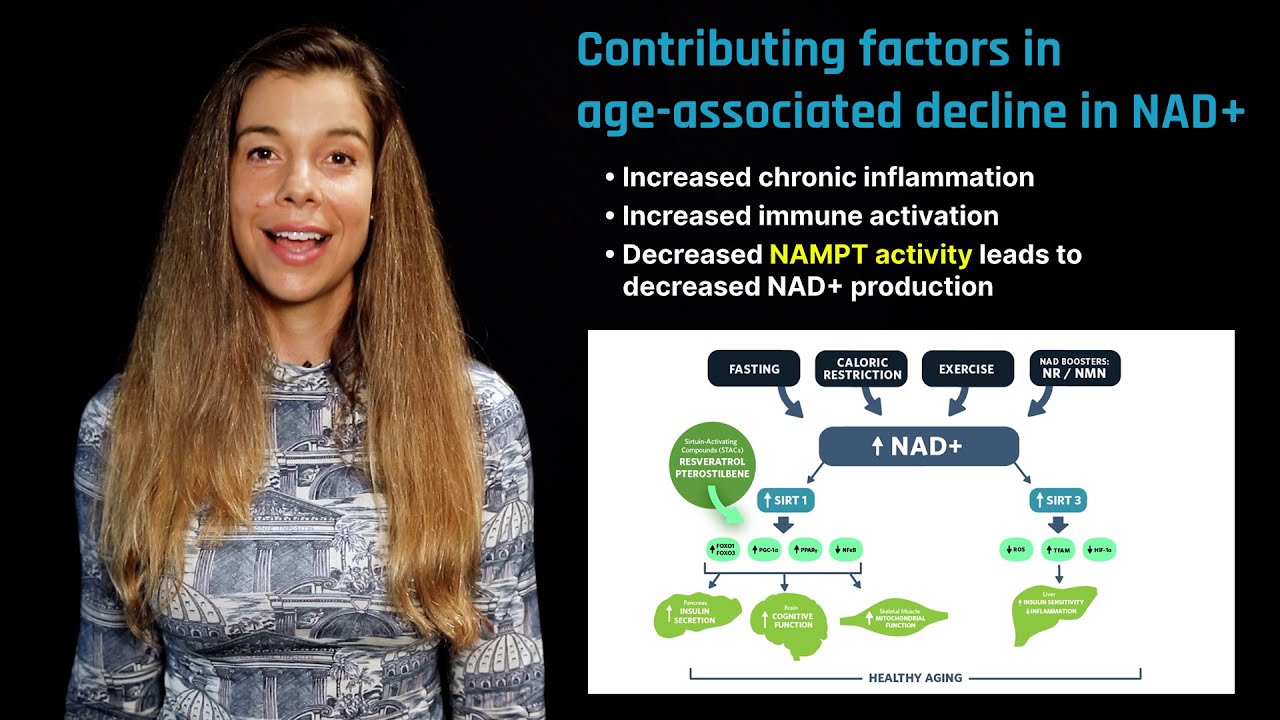
“Strategies to enhance cellular NAD+ production NAD+ levels are heavily influenced by lifestyle and particularly things that cause energy stress, like fasting, caloric restriction, and exercise, which all increase the NAD+:NADH ratio.”
“It suggests that when the body runs low on essential vitamins or minerals, it doesn't distribute them evenly. Instead, it prioritizes urgent survival tasks, like keeping the heart beating or clotting blood, over long-term maintenance, such as repairing DNA or defending against oxidative damage.”
Episode
“As we'll learn from Dr. Campisi, senescent cells exhibit more than one so-called phenotype, and they arrive at these different cellular phenotypes as a consequence of different types of cellular stress or dysfunction.”
Episode
“Heat stress as a means to sensitize pathways important to thermoregulatory cooling that also affect brain regions implicated in the regulation of mood. The thermoregulatory dysregulation found in other relevant psychiatric conditions outside of depression, such as schizophrenia.”
Episode
“Dr. Patrick describes strategies you can apply immediately to enhance cellular health, protect the nervous system, elevate mood, reduce inflammation, promote muscle and bone function, and help prevent chronic disease.”
Results 131–140 of 173
Premium Members received this study with Rhonda’s practical commentary and 8+ other hand-picked papers. Get the Science Digest delivered every other week.
Every other week our Premium Members receive deep dives like this alongside Rhonda's commentary and 8+ other hand-picked papers.