Q&A
Q&A #33: Do Resveratrol and Berberine Blunt Exercise Benefits?—Plus Cardio Zones
Dr. Rhonda Patrick answers audience questions on various health, nutrition, and science topics in this Q&A session.
Search could not finish. Try again.
Found 289 matches across the FoundMyFitness library.
Q&A
Dr. Rhonda Patrick answers audience questions on various health, nutrition, and science topics in this Q&A session.
Q&A
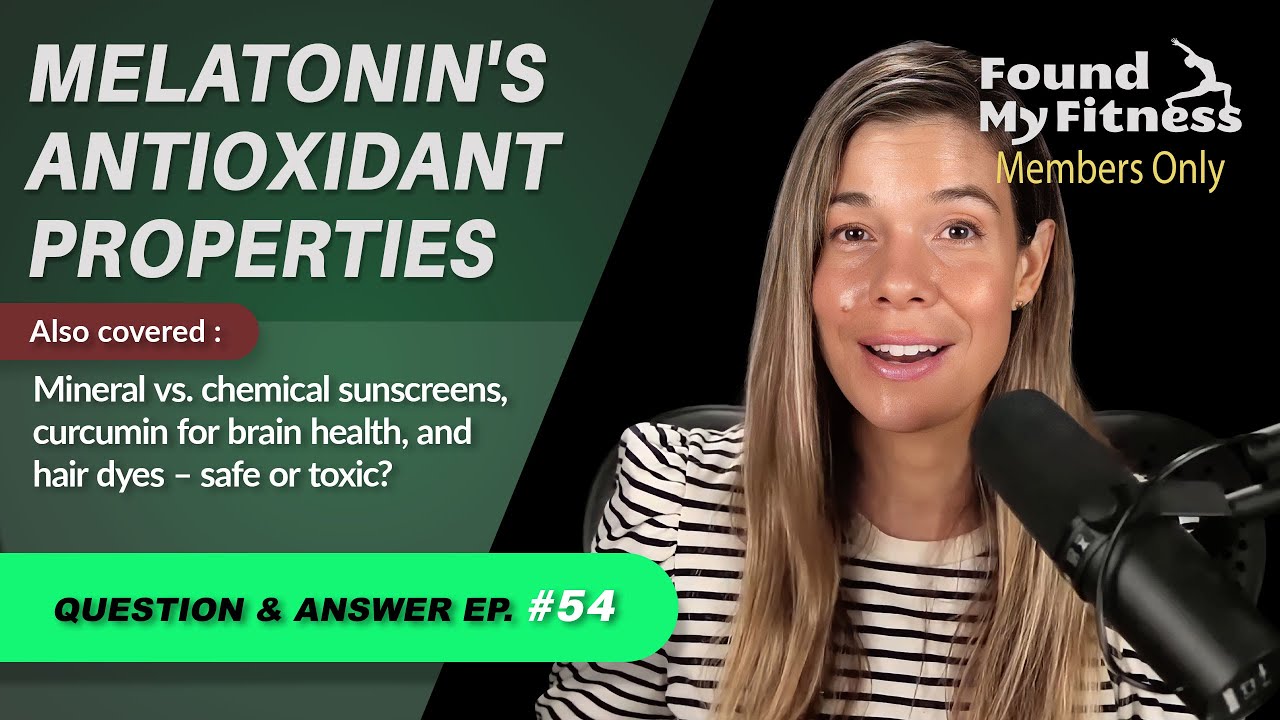
Dr. Rhonda Patrick explores melatonin's antioxidant properties, curcumin supplementation, antinutrients, and SARMs in her latest Q&A.
Q&A
Dr. Rhonda Patrick answers audience questions on various health, nutrition, and science topics in this Q&A session.

“Diet stands out as low-hanging fruit for influencing our lifespan. Optimizing macronutrient intake, practicing time-restricted eating, and consuming healthful bioactive compounds are critical aspects of a healthy diet. In part II of this two-part Aliquot, Drs.”
Clip
“She then describes sulforaphane and magnesium as pathway-focused choices. Sulforaphane activates NRF2-regulated antioxidant and phase 2 detoxification enzymes, while magnesium supports hundreds of enzymatic reactions, including energy metabolism and DNA repair.”
Clip
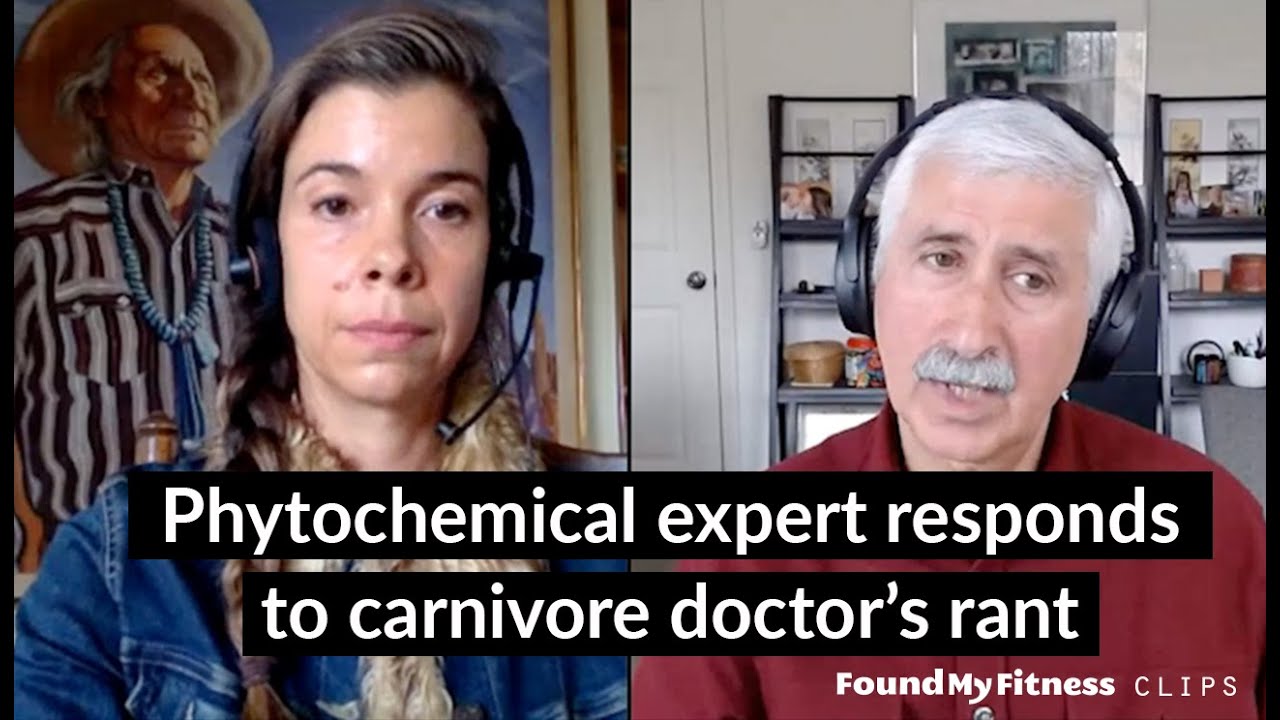
“Robust scientific evidence indicates that consuming a plant-rich diet that provides vitamins, minerals, fiber, and phytochemicals is healthier than consuming an all-meat diet. In this clip, Dr. Jed Fahey rebuts popular claims that an all-meat diet is healthful.”
Clip
“An enriched marine-oil study produced time- and dose-dependent increases in specialized pro-resolving mediators and altered blood-cell responses over 24 hours; it tested biomarkers, not disease prevention. Exercise, sauna, and cruciferous vegetables act through different pathways.”
Clip
“The seeds of cruciferous vegetables are particularly good sources of isothiocyanates, but care must be taken to preserve the myrosinase, which is heat sensitive. In this clip, Dr. Jed Fahey describes the chemical reaction that produces isothiocyanates and cautions against preparation techniques that might inhibit their production.”
“Please note that the information in this episode is based on Rhonda's own personal experience and is not medical, professional, or licensed advice. If you are thinking about starting or changing your own supplement routine, please make sure you consult your physician or health care provider.”
“But what does the science say? In this Aliquot, Dr. Jed Fahey and I discuss the pros and cons of eating meat as well as the confounding factors that may influence the risks associated with meat consumption.”
Results 211–220 of 289
Premium Members received this study with Rhonda’s practical commentary and 8+ other hand-picked papers. Get the Science Digest delivered every other week.
Every other week our Premium Members receive deep dives like this alongside Rhonda's commentary and 8+ other hand-picked papers.