Q&A
Q&A #16: Why Rhonda Limits Whole Grains—Glucose, Gluten, & Arsenic
Dr. Rhonda Patrick answers audience questions on various health, nutrition, and science topics in this Q&A session.
Search could not finish. Try again.
Found 317 matches across the FoundMyFitness library.
Q&A
Dr. Rhonda Patrick answers audience questions on various health, nutrition, and science topics in this Q&A session.

Episode
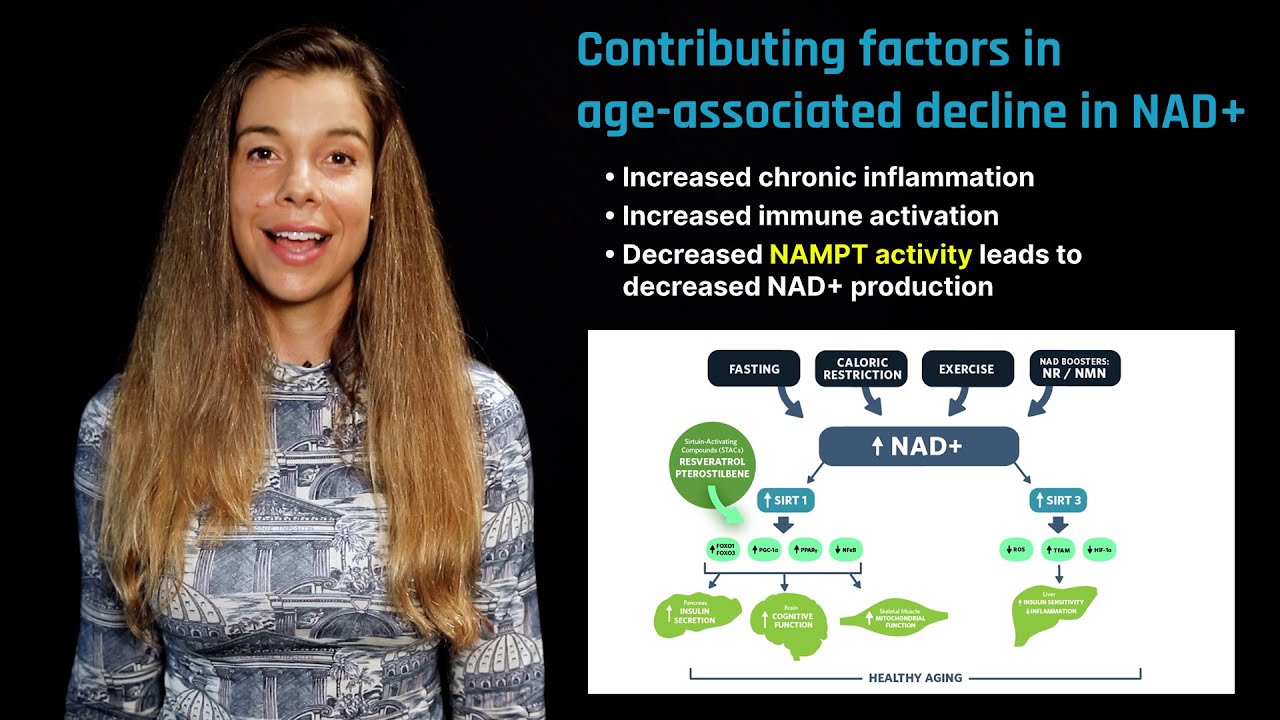
“A final concern is that of a potential for increased cancer risk. Some evidence suggests that NMN supplementation or NAD+ metabolism may drive tumorigenesis, especially in the proinflammatory environment associated with senescent cells.”
Clip
“An invitation-to-screen trial reduced colorectal-cancer incidence but did not show a statistically significant mortality reduction at ten years. The Galleri liquid biopsy uses cell-free-DNA methylation patterns to detect a cancer signal and predict tissue of origin.”
“Time-restricted eating involves consuming meals within a specific daily time window. However, choosing the optimal time frame for that window is influenced by many factors, the most important of which is circadian rhythmicity, which alters our body's metabolic responses to food.”
“Genetic predisposition, altered glucose uptake in the brain, high blood pressure, and other factors can weaken the barrier's integrity, allowing endotoxins and inflammatory immune cells to infiltrate the brain and increasing a person's risk for dementia.”
Q&A
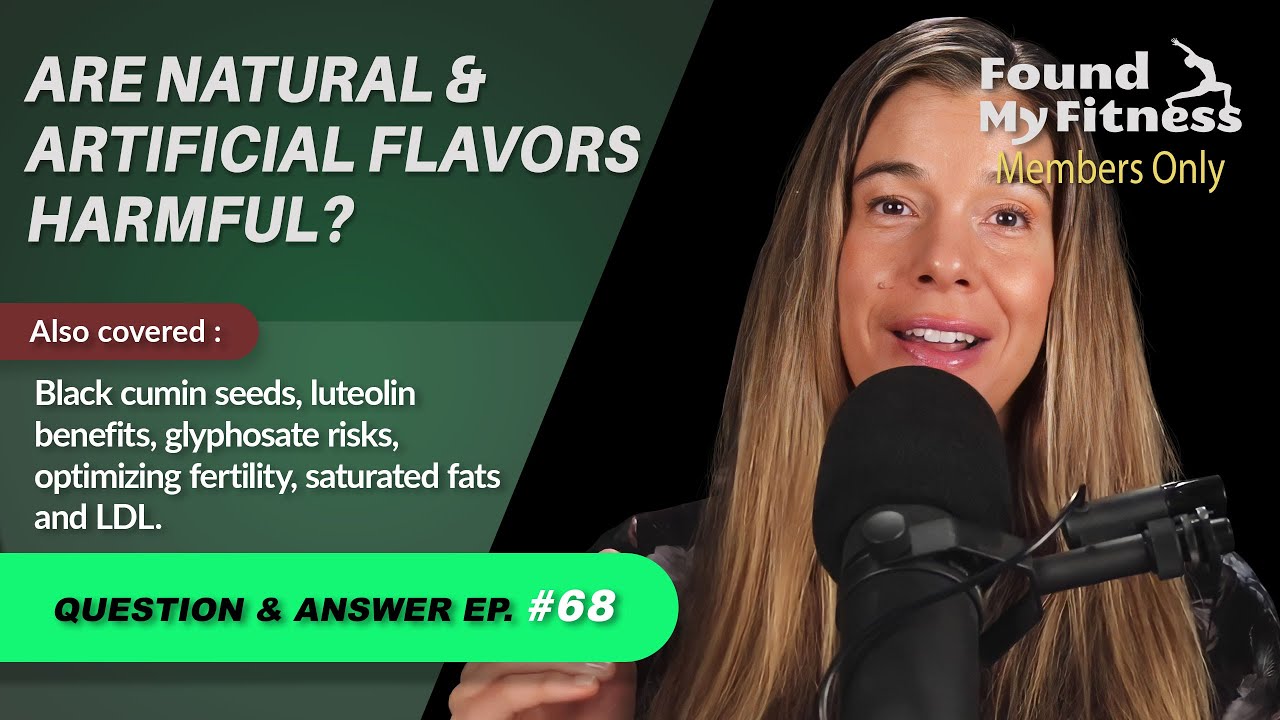
Dr. Rhonda Patrick discusses saturated fats and LDL, luteolin's benefits, glyphosate risks, natural vs. artificial flavors, and black cumin seed effects.
Q&A
Dr. Rhonda Patrick answers audience questions on various health, nutrition, and science topics in this Q&A session.

Q&A
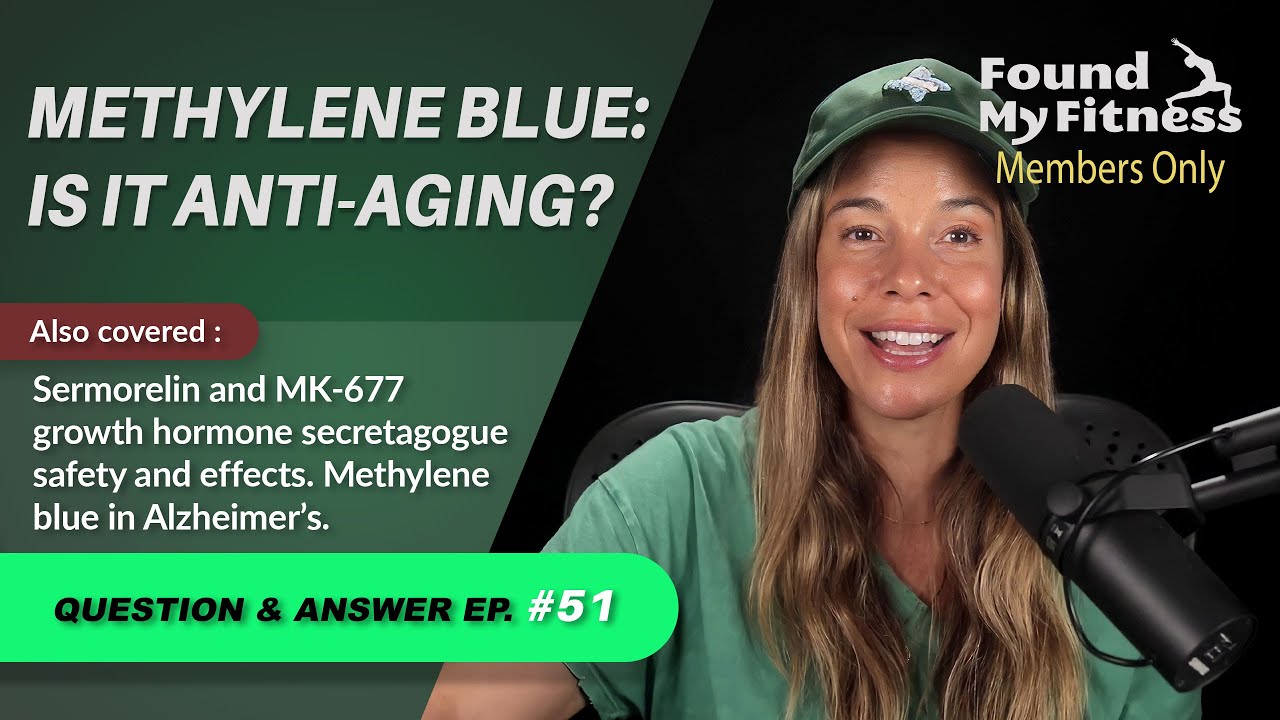
Dr. Rhonda Patrick explores growth hormone secretagogues, spermidine's longevity role, methylene blue, whey protein, and solutions for scar tissue in a Q&A.
“In this Aliquot, Dr. Brad Schoenfeld describes a balanced approach to maximizing muscle growth and strength and dispels early myths about possible blunting effects of aerobic training, the need to train to failure, and the "go heavy or go home" philosophy.”
“Insulin resistance in the brain is implicated in Alzheimer’s disease and is one reason why some researchers refer to the condition as “Type 3 diabetes.” Melatonin has been shown to enhance beta-cell function (the beta-cells are insulin-producing cells in the pancreas) and reduce the burden of beta-amyloid plaques and tau hyperphosphorylation in the brain of diabetic rats.”
Results 261–270 of 317
Premium Members received this study with Rhonda’s practical commentary and 8+ other hand-picked papers. Get the Science Digest delivered every other week.
Every other week our Premium Members receive deep dives like this alongside Rhonda's commentary and 8+ other hand-picked papers.