Q&A
Q&A #1: Fasting and Autophagy—Plus Pregnancy and Postpartum Supplements
Dr. Rhonda Patrick answers audience questions on various health, nutrition, and science topics in this Q&A session.
Search could not finish. Try again.
Found 52 matches across the FoundMyFitness library.
Q&A
Dr. Rhonda Patrick answers audience questions on various health, nutrition, and science topics in this Q&A session.
Clip
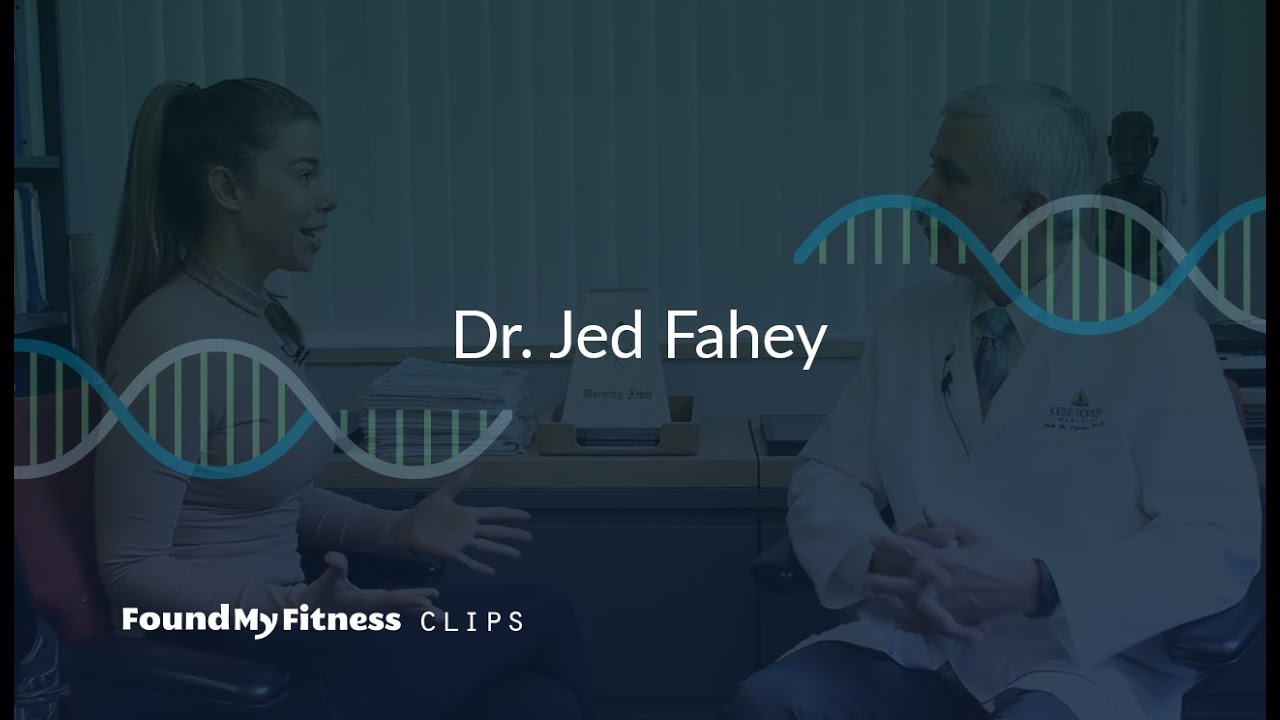
“Melatonin appears in the comparison as a personal, goal-specific choice rather than a universal nightly supplement. Dr. Patrick also discusses glycine, collagen, myo-inositol, and other non-overlapping items with different levels of evidence.”
Clip
“A 2014 study found that sulforaphane from a broccoli sprout beverage markedly increased urinary benzene excretion among people living in China, where air pollution levels are among the highest in the world.”
Q&A
Dr. Rhonda Patrick answers audience questions on various health, nutrition, and science topics in this Q&A session.
Q&A
Dr. Rhonda Patrick answers audience questions on various health, nutrition, and science topics in this Q&A session.
“For example, sulforaphane promotes the urinary excretion of benzene and acrolein, toxic compounds present in air pollution. But sulforaphane also demonstrates remarkable antibacterial activity: It reduces populations of Helicobacter pylori, or H.”
“Exposure to environmental toxins – in the food we eat, the water we drink, and the air we breathe – is largely unavoidable. But monitoring our exposures and implementing diet and lifestyle strategies can help mitigate the risks associated with toxic exposures. In this Aliquot, Dr. Dale Bredesen, Dr. Michael Snyder, and I discuss ways to deal with our increasingly toxic environment.”
Q&A
Dr. Rhonda Patrick answers audience questions on various health, nutrition, and science topics in this Q&A session.

Q&A
Dr. Rhonda Patrick answers audience questions on various health, nutrition, and science topics in this Q&A session.
Clip
“The seeds of cruciferous vegetables are particularly good sources of isothiocyanates, but care must be taken to preserve the myrosinase, which is heat sensitive. In this clip, Dr. Jed Fahey describes the chemical reaction that produces isothiocyanates and cautions against preparation techniques that might inhibit their production.”
Results 31–40 of 52
Premium Members received this study with Rhonda’s practical commentary and 8+ other hand-picked papers. Get the Science Digest delivered every other week.
Every other week our Premium Members receive deep dives like this alongside Rhonda's commentary and 8+ other hand-picked papers.