Q&A
Q&A #47: How to Improve Slow-Wave Sleep—Plus Berberine for Cholesterol and Atherosclerosis
Dr. Rhonda Patrick answers audience questions on various health, nutrition, and science topics in this Q&A session.
Search could not finish. Try again.
Found 202 matches across the FoundMyFitness library.
Q&A
Dr. Rhonda Patrick answers audience questions on various health, nutrition, and science topics in this Q&A session.
Clip
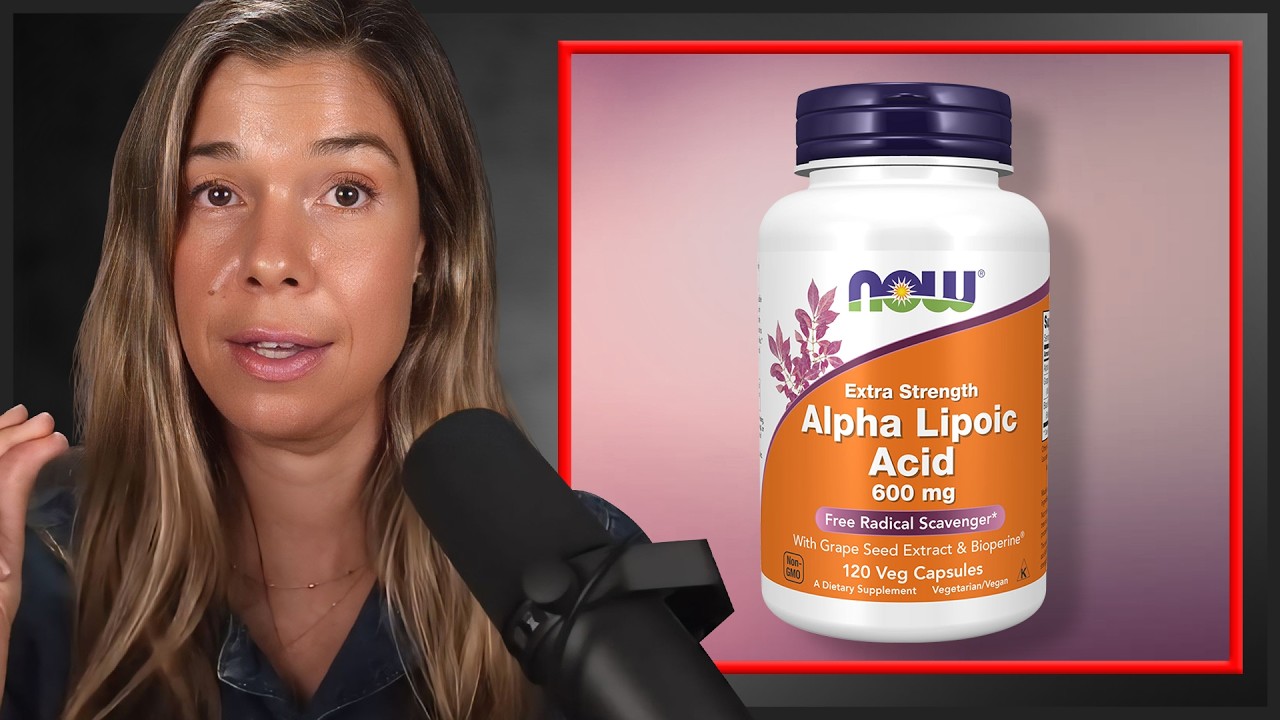
“Human trials suggest that alpha-lipoic acid can modestly improve selected lipid measures. A dose-response meta-analysis of 12 studies found reductions in total cholesterol, LDL cholesterol, and triglycerides across doses from 300 to 1,200 milligrams per day.”
Clip
“Exercise response can vary between sexes, with elements like menstrual cycles adding another layer of complexity. While research gaps exist, for example, concerning elevated cortisol levels during exercise, such levels don't appear to chronically elevate to harmful extents.”
Clip
“Structure does not map perfectly to cognition, and association does not prove causation. She discusses thiamine deficiency and iron dysregulation in heavy use, plus gut permeability, cytokines, glutamate signaling, and neuroinflammation as plausible pathways.”
Clip
“Our bodies prioritize putting micronutrients in metabolic pathways needed for survival and reproduction over pathways used in long-term health such as DNA damage repair. In this clip, Bruce provides both an evolutionary and a molecular rationale for his theory.”
Clip
“In contrast, a five-week trial in 181 people with diabetic polyneuropathy found that oral alpha-lipoic acid improved symptom scores, with more nausea, vomiting, and vertigo at higher doses. PQQ has a much smaller human evidence base.”
Q&A
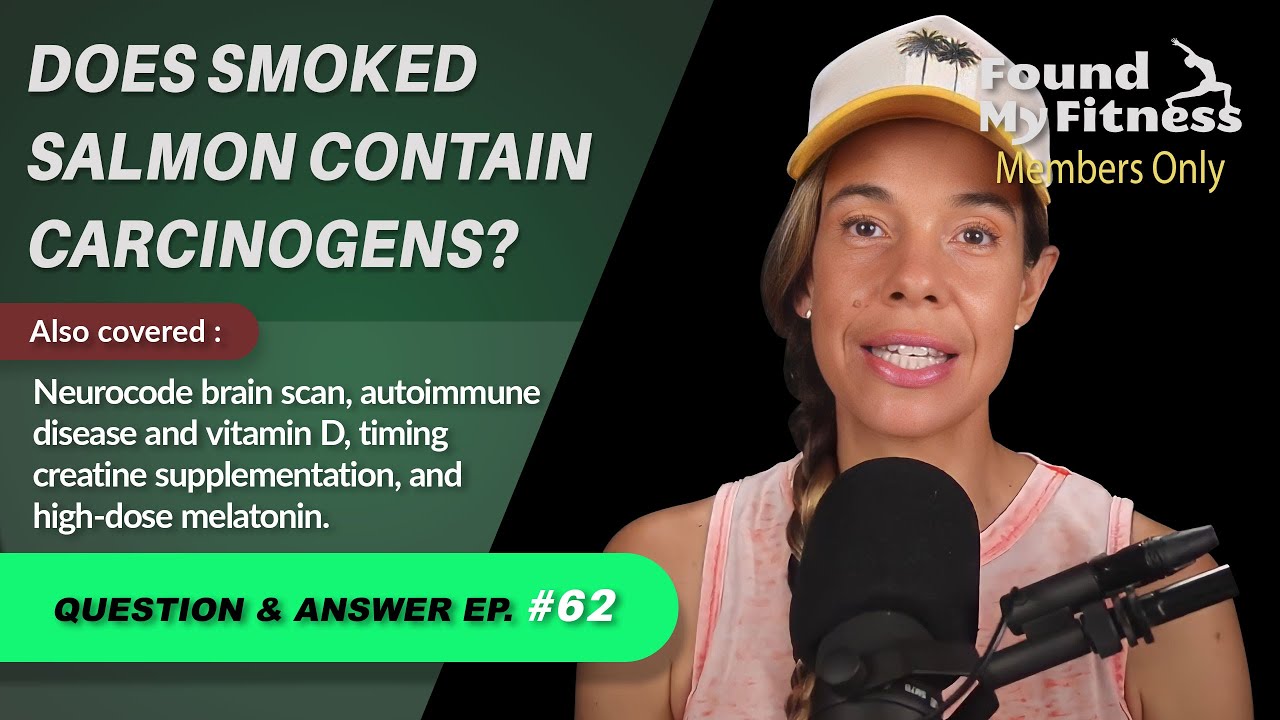
Dr. Rhonda Patrick discusses if smoked salmon is carcinogenic, high-dose melatonin, creatine on workout vs. non-workout days, and the Neurocode brain scan.
Clip
“Melatonin appears in the comparison as a personal, goal-specific choice rather than a universal nightly supplement. Dr. Patrick also discusses glycine, collagen, myo-inositol, and other non-overlapping items with different levels of evidence.”
Q&A
Dr. Rhonda Patrick explores iodine supplementation, choline & TMAO, curcumin safety, and red yeast rice in her latest Q&A.
“Naturally occurring forms of vitamin K include phylloquinone, known as vitamin K1, and a family of molecules called menaquinones, known as vitamin K2. In this Aliquot, Dr. Bruce Ames and I discuss the differences between (and dietary sources of) vitamins K1 and K2 and their effects on human health.”
Results 81–90 of 202
Premium Members received this study with Rhonda’s practical commentary and 8+ other hand-picked papers. Get the Science Digest delivered every other week.
Every other week our Premium Members receive deep dives like this alongside Rhonda's commentary and 8+ other hand-picked papers.