1
Collection
What FoundMyFitness Has Covered
PremiumAddiction is presented as a complex condition involving brain signaling, reward, and potentially modifiable biological factors rather than a single cause. BDNF is linked to signaling pathways associated with addiction and several other disorders, while research…
Your Premium Brief connects insights across FoundMyFitness to help you see the bigger picture.
2
 Clip
Clip
Clip
Sauna use, depression and addiction — the dynorphin thermoregulatory connection | Roland Griffiths
“As such, sauna use has potential as a means to treat depression and opioid addiction. In this clip, Dr. Rhonda Patrick describes how sauna use activates the Salvinorin A pathway, potentially ameliorating symptoms of depression and opioid addiction.”
3
 Clip
Clip
Clip
Reorganizational psychedelic experiences, neuroplasticity, & their role in treating addiction | Roland Griffiths
“The use of hallucinogenic substances is often accompanied by neuroplastic changes in the brain that influence the user's view of self and the world in which they live. Such substances may be useful in treating complex mental health disorders such as addiction, post-traumatic stress disorder, obsessive-compulsive disorder, and others.”
4
Topic
Topic
Sugar-sweetened beverages (SSBs)
“After taking into account other factors, including age, race/ethnicity, poverty/income, tobacco and alcohol consumption, and physical activity, the authors also found that participants with overweight and obesity were nearly four times more likely to have low serum testosterone compared to lean males, independent of SSB consumption.”
5
 Q&A
Q&A
Q&A
Premium
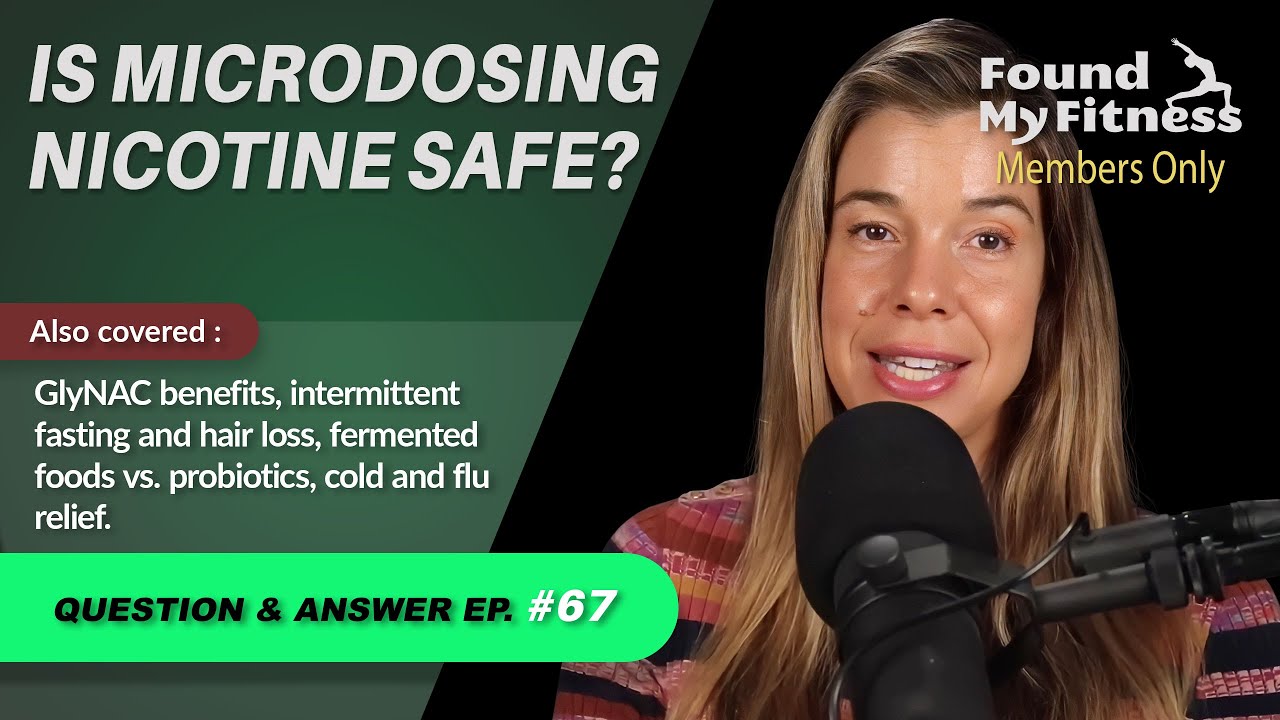
Q&A #67: Microdosing Nicotine—Focus, Addiction, Cardiovascular Risk, & Sleep
Dr. Rhonda Patrick discusses microdosing nicotine, GlyNac benefits, intermittent fasting and hair loss, and cold & flu relief.
6
 Q&A
Q&A
Q&A
Premium
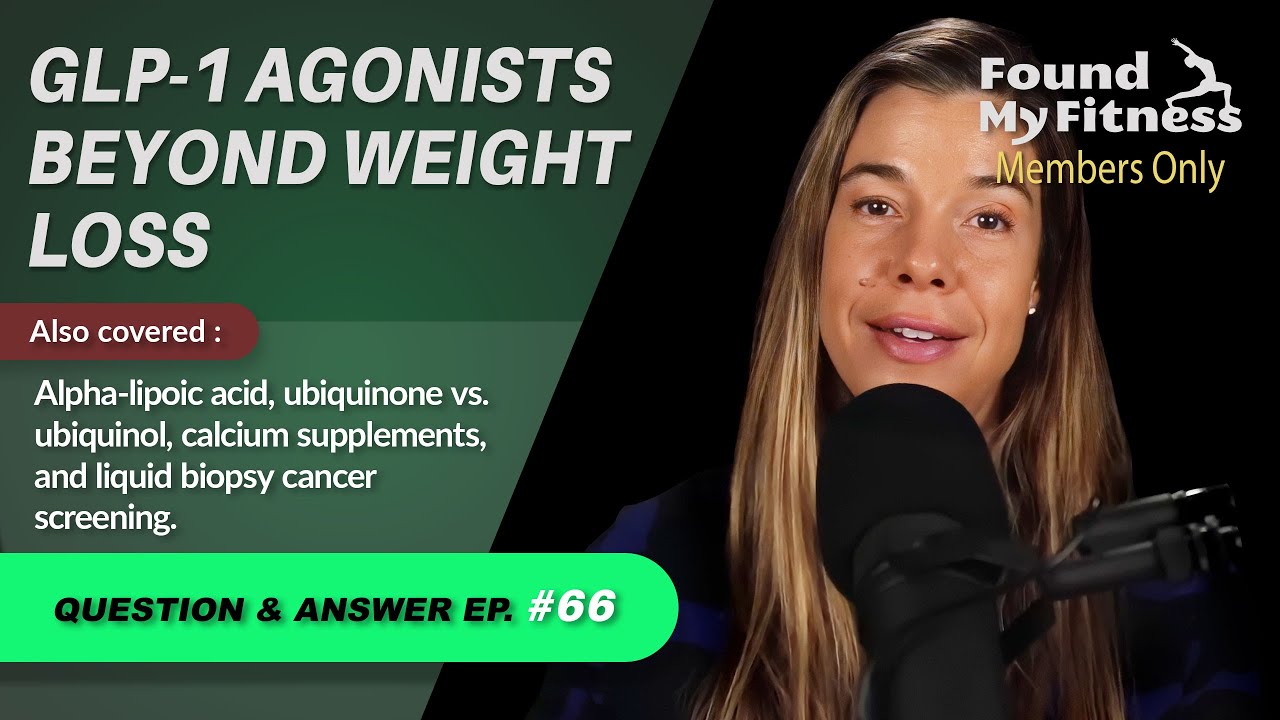
Q&A #66: GLP-1 Agonists Beyond Weight Loss—Brain, Heart, Addiction, & Muscle Preservation
Dr. Rhonda Patrick discusses GLP-1 agonists, alpha-lipoic acid, ubiquinone vs. ubiquinol, calcium needs, and liquid biopsy cancer screening.
7
Topic
Topic
Brain-derived neurotrophic factor (BDNF)
“BDNF serves as a cell signaling protein, plays vital roles in numerous signaling pathways associated with a variety of disorders ranging from depression, schizophrenia, and addiction to obesity and diabetes, and may serve as a hormone.”
8
Topic
Topic
Alcohol
“Removing former drinkers from the non-drinker category reveals a different story: One study observed that the lowest risk for cardiovascular disease (i.e., ischemic heart disease) was right below one standard U.S. drink per week — men and women at this level of consumption had an ~18% lower risk compared to nondrinkers.”
9

Science Digest
Vitamin D deficiency increases addictive behaviors.
“To assess the relationship between vitamin D levels and opioid use disorder, the authors analyzed data from the National Health and Nutrition Examination Survey (NHANES), a long-term study collecting lifestyle and health data from participants in the United States.”
10
Science Digest
A diet high in refined sugar may increase the risk of opioid addiction.
“Consumption of refined sugar dampened the reward associated with opioids (in mice) and may promote consumption of higher quantities. Oxycodone is also highly addictive. The U.S. National Survey on Drug Use and Health revealed that approximately 27.9 million people aged 12 or older used oxycodone products.”
Results 1–10 of 598