• Episodes
  • Topics
  • AMA
  • Science Digest
  • The Aliquot
  • Genetics
Sign in Become a member
Search
Back to episode

FoundMyFitness library

Related Episodes for Differences between vitamin K1 and K2 | Bruce Ames

Ranked by shared topics, with one result from each original episode.

91
Episode
Episode

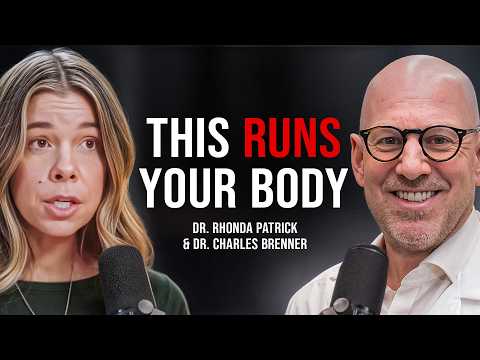
How To Boost NAD Levels To Fight Inflammation, Improve Recovery, and Slow Aging | Dr. Charles Brenner

Feb 10, 2026

“Even though the primary endpoints failed (NR did not improve insulin sensitivity or weight loss), he notes a meaningful signal in reduced liver fat—a 2% decrease in the NR group compared to a 0.2% reduction in the placebo group, a difference that didn't reach statistical significance, likely because subjects weren't randomized by liver fat and variability was high.”
nad+ pregnancy dna damage aging
Play episode
92
Clip
Clip

Understanding cholesterol: going beyond total LDL + HDL | Ronald Krauss

Apr 9, 2022

“The oversimplified view that high-density lipoprotein (HDL) cholesterol is good, and low-density lipoprotein (LDL) cholesterol is bad has led to misunderstandings of the relationship between cholesterol and cardiovascular disease risk.”

cholesterol diet aging heart disease
Watch clip
93
Clip
Clip

Why 'choosing the stairs' reduces early death (VILPA study) | Dr. Martin Gibala

Sep 28, 2023

“Preliminary findings from a study analyzing UK Biobank data with over 25,000 participants suggest that even 3-4 minutes of VILPA daily could reduce all-cause mortality risk by 25-30%.”

exercise aging mortality
Watch clip
94
Clip
Clip

Dr. Bredesen's ‘Cognoscopy’ and recommended biomarkers for Alzheimer's prevention | Dale Bredesen

Jul 12, 2019

“In this clip, Dr. Dale Bredesen talks about strategies for identifying the factors that contribute to one's risk of developing Alzheimer's disease and describes strategies for mitigating that risk.”

alzheimer's vitamin d biomarkers inflammation
Watch clip
95
Clip
Clip

Intermittent fasting is a meaningless term | Valter Longo

Sep 5, 2019

“However, the term "fasting" can comprise a variety of subtypes. Intermittent fasting, a term lacking specificity, usually refers to interventions such as alternate-day fasting, fasting one day per week, or a five:two eating pattern (fasting for two days per week).”

fasting cancer aging metabolism
Watch clip
96
Episode
Episode

COVID-19 Q&A #1 with Rhonda Patrick, Ph.D.

Apr 14, 2020

“For example, while vitamin C acts primarily as an antioxidant at physiological concentrations of approximately 50 micromoles per liter, pharmacologic doses of intravenous vitamin C greater than 1 gram generate hydrogen peroxide, a type of reactive oxygen species produced by neutrophils to destroy pathogens such as viruses.”

covid-19 vitamin d vitamin c virus
Play episode
97
Clip
Clip

How Creatine Supports the Brain During Stress and Sleep Loss

Apr 9, 2025

“The most compelling human signal appears when the brain is under acute strain. In a randomized crossover study, a single dose of 0.35 grams per kilogram during 21 hours of sleep deprivation changed cerebral energy metabolites and preserved selected measures of cognitive performance.”

brain sleep supplements aging
Watch clip
98
Clip
Clip

Curcumin, Urolithin A, and Glutamine: What Human Trials Show

Apr 24, 2026

“Healthy, well-nourished adults can usually synthesize enough, and athlete trials have not found consistent improvements in immune measures, aerobic performance, body composition, or intestinal permeability from routine supplementation.”

aging inflammation immune system mitochondria
Watch clip
99
Episode
Episode

Why AI Could Add Decades to Your Lifespan | Dr. Derya Unutmaz

Jul 22, 2026

“Tools, companies, and resources mentioned OpenAI - AI research and deployment company behind widely used GPT systems and developer tools; its science case study describes GPT-5 helping Unutmaz's lab resolve a long-standing immunology question.”

technology genetic engineering diagnostics aging
Play episode
100
Clip
Clip

How Elevated Blood Sugar Affects the Brain and Heart

Apr 4, 2025

“Her practical message is to reduce the frequency and size of large glucose exposures. Foods with intact fiber, protein, and minimally processed carbohydrates digest more slowly than refined added sugar, while regular exercise gives skeletal muscle a large destination for circulating glucose.”

sugar brain aging inflammation
Watch clip
Load more related episodes

Explore More

  • Home
  • Episodes
  • Membership
  • The Aliquot
  • About
  • Healthspan Gear
  • Genetics

Our Mission

Promoting strategies to increase healthspan, well-being, cognitive and physical performance through deeper understandings of biology. Learn more about Dr. Rhonda Patrick.

Questions?

Send us a message here

Search

Follow us here

  • Instagram
  • Twitter
  • Facebook

Watch and listen

  • YouTube
  • Apple Podcasts
  • Spotify
This site is protected by reCAPTCHA and is subject to the Google Privacy Policy and Terms of Service, as well as our own Privacy Policy and Terms of Service.