• Episodes
  • Topics
  • AMA
  • Science Digest
  • The Aliquot
  • Genetics
Sign in Become a member
Search
Back to episode

FoundMyFitness library

Related Episodes for Why people age at different rates and how menopause and obesity contribute | Dr. Morgan Levine

Ranked by shared topics, with one result from each original episode.

91
Clip
Clip

Intermittent fasting is a meaningless term | Valter Longo

Sep 5, 2019

“However, the term "fasting" can comprise a variety of subtypes. Intermittent fasting, a term lacking specificity, usually refers to interventions such as alternate-day fasting, fasting one day per week, or a five:two eating pattern (fasting for two days per week).”

fasting cancer aging metabolism
Watch clip
92
Clip
Clip

How Creatine Supports the Brain During Stress and Sleep Loss

Apr 9, 2025

“The most compelling human signal appears when the brain is under acute strain. In a randomized crossover study, a single dose of 0.35 grams per kilogram during 21 hours of sleep deprivation changed cerebral energy metabolites and preserved selected measures of cognitive performance.”

brain sleep supplements aging
Watch clip
93
Clip
Clip

Curcumin, Urolithin A, and Glutamine: What Human Trials Show

Apr 24, 2026

“Healthy, well-nourished adults can usually synthesize enough, and athlete trials have not found consistent improvements in immune measures, aerobic performance, body composition, or intestinal permeability from routine supplementation.”

aging inflammation immune system mitochondria
Watch clip
94
Episode
Episode

Dr. Dale Bredesen on Preventing and Reversing Alzheimer's Disease

Oct 1, 2018

“00:20:21 - Some of the key blood-based biomarkers that are useful for tracking and projecting future cognitive health, including: homocysteine (<7μml/L preferred), which Dr. Bredesen indicates may be a mediator of cerebral atrophy, and also fasting insulin (<5% preferred), hemoglobin A1c, fasting glucose, vitamin D, and a number of other hormones relevant for trophic support.”

alzheimer's brain diet aging
Play episode
95
Episode
Episode

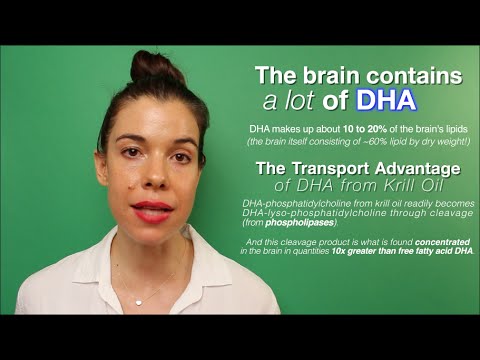
The Phospholipid Brain-DHA Advantage

Sep 29, 2014

“Dr. Rhonda Patrick discusses the differences between different forms of DHA in terms of bioavailability and transport into different cells. She talks about why a specific type of DHA (DHA in phosphatidylcholine) is more readily transported into the brain because it forms DHA-lysophsophatidylcholine.”

omega-3 nutrition brain diet
Play episode Duration: 10m 49s
96
Clip
Clip

Why your digestive system needs rest (justification for daily fasting) | Ruth Patterson

Jul 12, 2019

“In this clip, Dr. Ruth Patterson describes how eating following the body's circadian clock, eating during the day and fasting at night, enables the body to focus on repair rather than on the digestion of food.”

breast cancer inflammation dna damage fasting
Watch clip
97
Clip
Clip

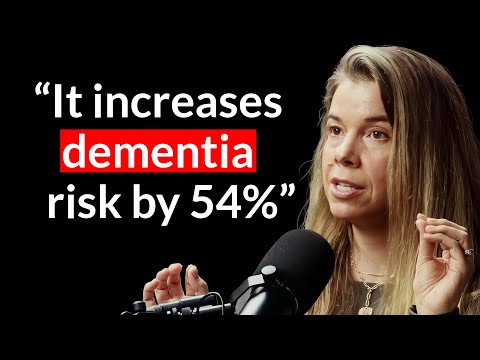
How Elevated Blood Sugar Affects the Brain and Heart

Apr 4, 2025

“Her practical message is to reduce the frequency and size of large glucose exposures. Foods with intact fiber, protein, and minimally processed carbohydrates digest more slowly than refined added sugar, while regular exercise gives skeletal muscle a large destination for circulating glucose.”

sugar brain aging inflammation
Watch clip
98
Clip
Clip

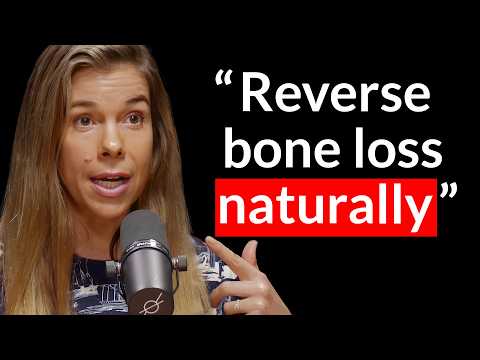
Exercise and Nutrition Strategies That Support Bone Density After 65

Mar 13, 2026

“In a two-year trial of 237 postmenopausal women, approximately 9 to 10 grams per day combined with resistance training and walking did not add a bone-density benefit, so its role is better framed around muscle and physical function.”

menopause vitamin d exercise aging
Watch clip
99
Clip
Clip

Why VO2 Max Is a Powerful Longevity Marker

Mar 12, 2024

“In this excerpt from Dr. Rhonda Patrick's A4M LongevityFest 2023 keynote, she argues that vigorous exercise is one of the most powerful tools for healthy aging because it can raise cardiorespiratory fitness.”

exercise aging performance mortality
Watch clip
100
Clip
Clip

How Exercise Can Reverse Age-Related Heart Stiffness

Aug 1, 2025

“In 27 men with metabolic syndrome, four four-minute intervals near 90 percent of peak heart rate improved VO2 max more than work-matched moderate exercise. A two-year randomized trial used a broader progressive program in healthy, sedentary adults around age 53.”

exercise aging performance aerobic
Watch clip
Load more related episodes

Explore More

  • Home
  • Episodes
  • Membership
  • The Aliquot
  • About
  • Healthspan Gear
  • Genetics

Our Mission

Promoting strategies to increase healthspan, well-being, cognitive and physical performance through deeper understandings of biology. Learn more about Dr. Rhonda Patrick.

Questions?

Send us a message here

Search

Follow us here

  • Instagram
  • Twitter
  • Facebook

Watch and listen

  • YouTube
  • Apple Podcasts
  • Spotify
This site is protected by reCAPTCHA and is subject to the Google Privacy Policy and Terms of Service, as well as our own Privacy Policy and Terms of Service.