Q&A
Q&A #6: Fasting, Omega-3s, & Continuous Glucose Monitoring
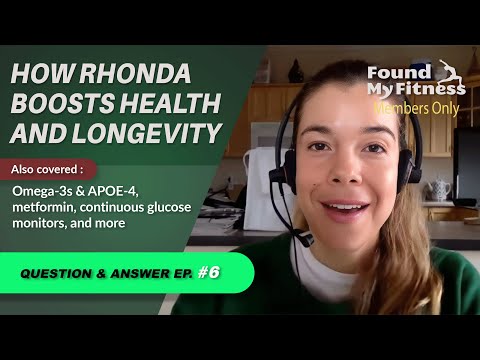
Dr. Rhonda Patrick answers audience questions on various health, nutrition, and science topics in this Q&A session.
FoundMyFitness library
Ranked by shared topics, with one result from each original episode.
Q&A
Dr. Rhonda Patrick answers audience questions on various health, nutrition, and science topics in this Q&A session.
Q&A
Dr. Rhonda Patrick discusses fish oil and Afib risk, hyperbaric oxygen therapy, supplements for kids, and curcumin's impact on testosterone.
Q&A
Dr. Rhonda Patrick discusses Akkermansia muciniphila, vitamin B1's effect on blood sugar, emulsifiers in food, and electrolyte supplements.
Q&A
Dr. Rhonda Patrick covers lithium microdosing, reducing homocysteine, aluminum's link to cancer, and beta-alanine and alpha-lipoic acid supplements.
Q&A
“The discussion of fiber and nutrient or supplement absorption begins at 19:38. The Oats and beta-glucan topic provides the wider cholesterol evidence and explains why whole oats, beta-glucan powder, and psyllium should not be compared solely by their serving weights.”
Q&A
Dr. Rhonda Patrick discusses urolithin A, postmenopausal protein, microplastics, high-temperature saunas, sugar intake, and supplements for Parkinson's disease.
Episode
“Dr. Rhonda Patrick speaks with Ray Cronise, a former NASA material scientist and co-founder of zero gravity, a company that offers weightless parabolic flights to consumers and researchers.”
Clip
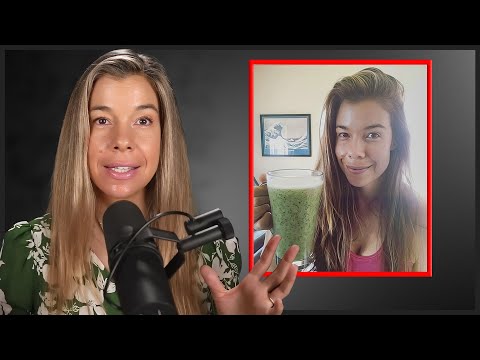
“The main ingredient-interaction evidence concerns polyphenol oxidase. A small controlled crossover study found that a high-PPO banana smoothie greatly reduced circulating flavan-3-ol metabolites compared with a low-PPO berry drink or capsule control.”
Episode
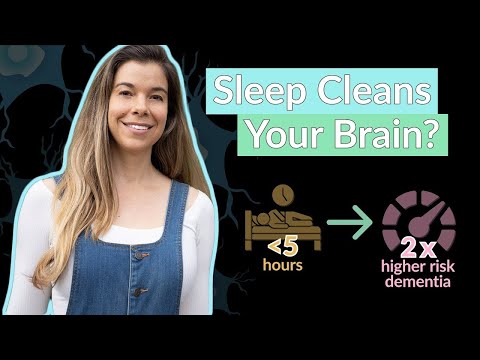
“Although scientists have identified other lifestyle behaviors that can help prevent the build-up of amyloid plaques by boosting the capacity for glymphatic clearance – such as exercise and adequate intake of omega-3 – the most important factor by far is a good night's sleep, especially deep sleep.”
Clip
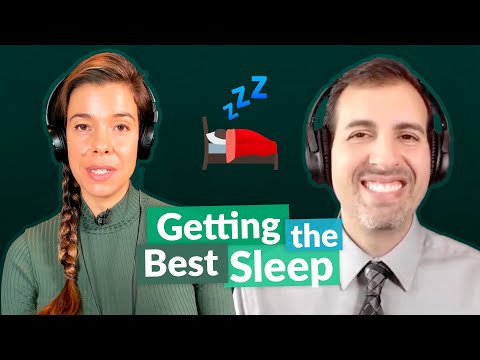
“Sleep and the immune system are intrinsically linked. Sleep problems may arise because of medical or behavioral reasons, but modern life frequently dictates a work schedule late into the evening, disrupting our natural sleep/wake cycles.”