Q&A
Q&A #79: Why I’m Taking Nicotinamide Riboside—Safety, Uncertainty, & Cycling Concerns
Dr. Rhonda Patrick discusses nicotinamide riboside, biomarkers, belly fat loss, sex-specific health, curcumin & ashwagandha safety.
FoundMyFitness library
Ranked by shared topics, with one result from each original episode.
Q&A
Dr. Rhonda Patrick discusses nicotinamide riboside, biomarkers, belly fat loss, sex-specific health, curcumin & ashwagandha safety.
Q&A
Dr. Rhonda Patrick discusses sunscreen safety, HIIT & brain health, diet, omega-3s, urolithin A, sulforaphane, homocysteine, peptides, and CoQ10.
Q&A
Dr. Rhonda Patrick answers audience questions on various health, nutrition, and science topics in this Q&A session.
Clip
“In humans, an analysis of 6,482 US adults associated higher fiber intake with lower serum concentrations of several persistent PFAS chemicals; the observational result does not prove that fiber caused clearance. Sauna is a different pathway, not a substitute for fiber.”
Episode
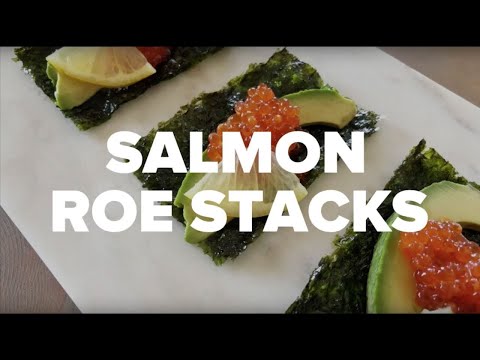
“Not only is salmon roe a good source of DHA, it also provides protein, vitamins, minerals, and astaxanthin – an antioxidant compound that gives salmon its reddish or pinkish tint. In human studies, astaxanthin reduces biomarkers of oxidative stress.”
Episode
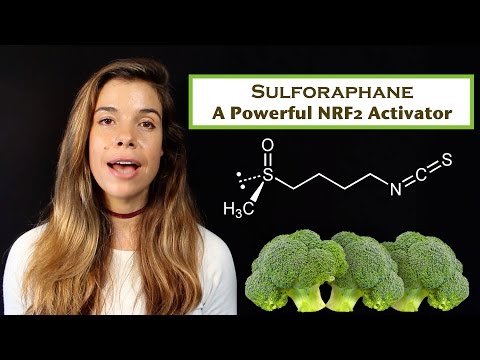
“This is a video on how to plausibly increase the sulforaphane created from the glucoraphanin in your broccoli sprouts by up to 3.5-fold, based on the results of a 2004 Phytochemistry paper entitled "Heating decreases epithiospecifier protein activity and increases sulforaphane formation in broccoli."”
Episode
“There is so much to say when we talk about the NRF2 pathway and isothiocyanates like sulforaphane that we had to pack it into 47 minutes and break it into a few key sections. Key sections: For a more in-depth breakdown click the timeline link at the top of this page!”
Episode
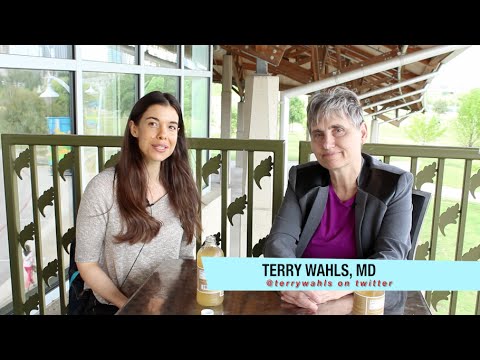
“In this video, Dr. Rhonda Patrick interviews Dr. Terry Wahls about how she reversed her secondary-progressive multiple sclerosis with a micronutrient-dense diet and Paleo principles.”
Clip
“Nutritional status plays a critical role in aging. Emerging evidence now suggests that supplemental omega-3 fatty acids or vitamin D slow epigenetic aging. In this clip, Dr. Steve Horvath describes evidence suggesting that supplemental vitamin D or omega-3 fatty acids slow epigenetic aging.”