• Episodes
  • Topics
  • AMA
  • Science Digest
  • The Aliquot
  • Genetics
Sign in Become a member
Search
Back to episode

FoundMyFitness library

Related Episodes for How to Solve Aging in America

Ranked by shared topics, with one result from each original episode.

231
Clip
Clip

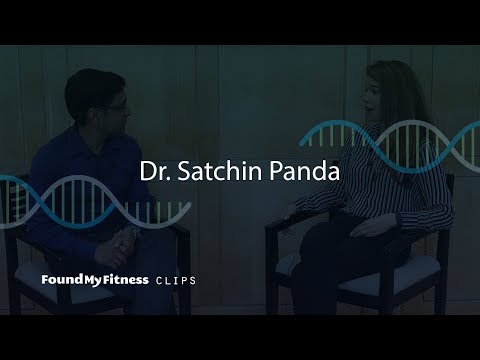
How bright light exposure affects cortisol levels | Satchin Panda

Jul 12, 2019

“Exposure to bright light also promotes the release of cortisol, and, in turn, the hormone drives wakefulness during the daytime hours. Chronic stress and mis-timed exposure to light can dysregulate cortisol release and promote aging, however.”
circadian rhythm aging cortisol
Watch clip
232
Clip
Clip

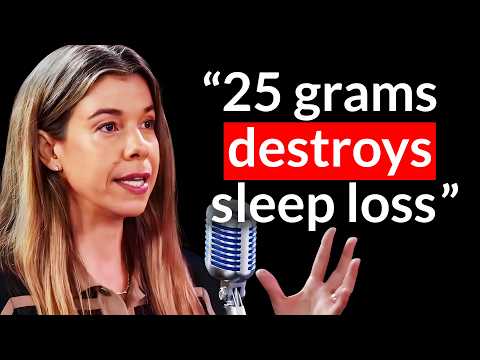
How Creatine Supports Muscle and Brain Energy

Feb 23, 2026

“A later crossover study using a lower weight-based dose found its clearest benefit in reasoning, while several memory, accuracy, fatigue, and sleepiness outcomes did not reliably improve. Routine muscle supplementation and acute sleep-loss research use different protocols.”

exercise brain aging sleep
Watch clip
233
Clip
Clip

How Lactate Links Vigorous Exercise to Brain Health

Jan 7, 2026

“In 15 people with severe traumatic brain injury, sodium lactate infusion increased brain lactate, pyruvate, and glucose without raising intracranial pressure, and a randomized study in 60 patients with mild traumatic brain injury reported better cognitive recovery than hypertonic saline.”

exercise brain mitochondria rhonda
Watch clip
234
Clip
Clip

How much protein should you eat? Muscle growth vs. IGF-1 longevity concerns | Rhonda Patrick

Jul 15, 2019

“Whereas fasting turns off multiple pathways associated with aging, such as mTOR and IGF-1, eating for optimal fitness activates these important processes. The IGF-1 pathway, in particular, plays key roles in growth and is strongly associated with cancer.”

fasting aging hormones stem cells
Watch clip
235
Clip
Clip

How to Combine Exercise With Compassion Practice

Aug 28, 2026

“A separate trial of 153 adults found that smartphone-based mindfulness training combining attention monitoring with acceptance reduced daily loneliness and increased social interactions compared with monitoring alone or an active control.”

exercise brain meditation behavior
Watch clip
236
Clip
Clip

How Urolithin A Supports Mitochondrial Health

Aug 14, 2026

“In later randomized trials, urolithin A improved some laboratory measures of muscle endurance or hamstring strength, but it did not significantly improve key primary outcomes such as six-minute walk distance, muscle ATP production, or peak power.”

exercise aging performance immune system
Watch clip
237
Episode
Episode

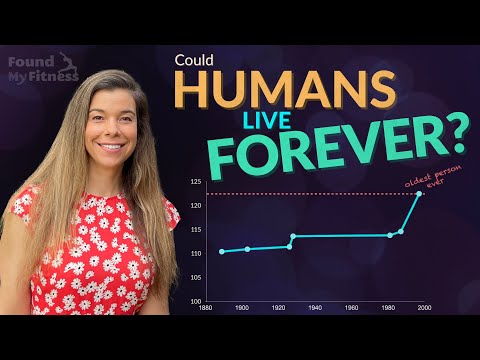
Is there a limit to human longevity?

Jul 20, 2022

“There's a lot of exciting research right now into aging and maximum lifespan, but scientists have really just scratched the surface of the fascinating topic of how to live longer, healthier lives. Relevant Publications Rootzén, Holger, and Dmitrii Zholud.”

aging exercise epigenetics metabolism
Play episode
238
Episode
Episode

Hyperthermic Conditioning for Hypertrophy, Endurance, and Neurogenesis

Apr 10, 2014

“Dr. Rhonda Patrick discusses how conditioning the body to heat stress through sauna use, called "hyperthermic conditioning" may cause adaptations that increase athletic endurance (by increasing plasma volume and blood flow to heart and muscles) and potentially even muscle mass. She also discusses the profound effects of hyperthermic conditioning on the brain including cognitive function.”

sauna exercise brain aging
Play episode
239
Episode
Episode

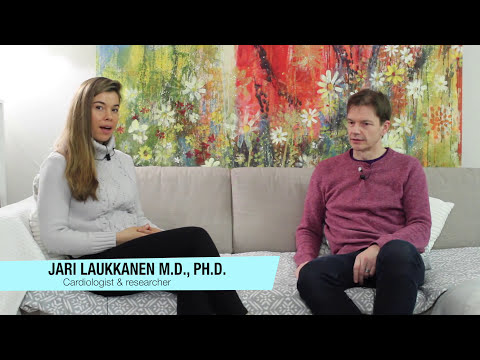
Dr. Jari Laukkanen on Sauna Use for the Prevention of Cardiovascular & Alzheimer’s Disease

Jun 15, 2017

Many of the anabolic effects of growth hormone are thought to be mediated by insulin-like growth factor-1, or IGF-1 (https://www.ncbi.nlm.nih.gov/pubmed/18500379), which is synthesized primarily in the liver but also in skeletal muscle in response to growth hormone.

heat stress alzheimer's aging heart disease
Play episode
240
Episode
Episode

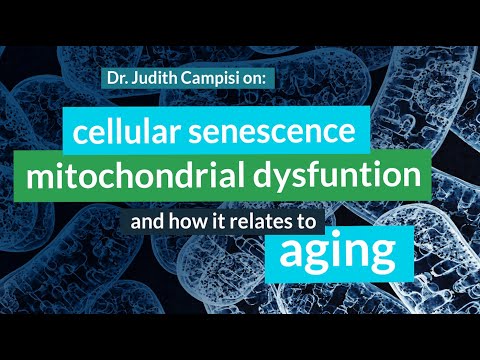
Judith Campisi, Ph.D., on Cellular Senescence, Mitochondrial Dysfunction, Cancer & Aging

Apr 28, 2017

“Some of the factors contributing to these variable phenotypes include persistent damage to our DNA and mitochondrial dysfunction, driven by an altered NAD:NADH ratio, the latter of which has recently been shown to be improved by certain dietary supplements like nicotinamide riboside.”

aging telomeres podcast dna damage
Play episode
Load more related episodes

Explore More

  • Home
  • Episodes
  • Membership
  • The Aliquot
  • About
  • Healthspan Gear
  • Genetics

Our Mission

Promoting strategies to increase healthspan, well-being, cognitive and physical performance through deeper understandings of biology. Learn more about Dr. Rhonda Patrick.

Questions?

Send us a message here

Search

Follow us here

  • Instagram
  • Twitter
  • Facebook

Watch and listen

  • YouTube
  • Apple Podcasts
  • Spotify
This site is protected by reCAPTCHA and is subject to the Google Privacy Policy and Terms of Service, as well as our own Privacy Policy and Terms of Service.