Q&A
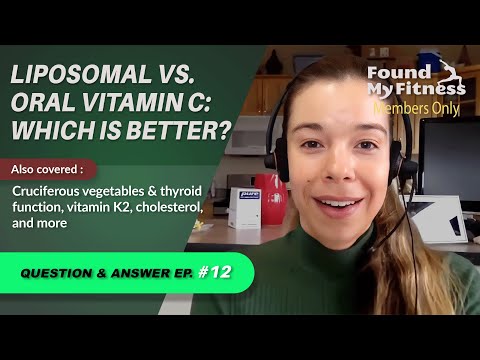
Q&A #12: Which Cholesterol Tests Matter—and How Diet Changes LDL Particles
Dr. Rhonda Patrick answers audience questions on various health, nutrition, and science topics in this Q&A session.
FoundMyFitness library
Ranked by shared topics, with one result from each original episode.
Q&A
Dr. Rhonda Patrick answers audience questions on various health, nutrition, and science topics in this Q&A session.
Q&A
Dr. Rhonda Patrick answers audience questions on various health, nutrition, and science topics in this Q&A session.
Q&A
Dr. Rhonda Patrick answers audience questions on various health, nutrition, and science topics in this Q&A session.
Q&A
Dr. Rhonda Patrick discusses urolithin A, postmenopausal protein, microplastics, high-temperature saunas, sugar intake, and supplements for Parkinson's disease.
Episode
“The race is divided into three stages over three days: The first is a 6.2 mile (10-km) ocean swim, followed by a 90-mile (145-km) cross-country bike ride, with vertical climbs that total 6,000 feet. Stage two is a 171.4-mile (276-km) bike ride, with total vertical climbs of 4,000 feet.”
Clip
“But the effects of liquid sugar extend to longevity, as well. In fact, consumption of sugar-sweetened beverages is associated with dramatically accelerated telomere shortening – equivalent to as much as five years of a person's life.”
Clip
“In this clip from Q&A #70, Dr. Rhonda Patrick organizes cancer prevention around the largest modifiable foundations: avoid tobacco, maintain a healthy body composition, and stay physically active.”
Clip
“In a small crossover trial involving people with insulin resistance, six one-minute intense intervals performed before the three main meals improved daily glucose control compared with one continuous 30-minute session.”
Clip
“In this clip from Dr. Rhonda Patrick's appearance on The Tim Ferriss Show, she describes the supplements her parents use and separates a simple nutritional baseline from choices tied to individual health needs.”
Clip
“Practicing healthy light exposure habits — seeking bright light in the morning and avoiding it in the evening — is crucial. When we eat also plays a role, and eating too close to bedtime disrupts sleep and shifts circadian timing over the next few days.”