• Episodes
  • Topics
  • AMA
  • Science Digest
  • The Aliquot
  • Genetics
Sign in Become a member
Search
Back to episode

FoundMyFitness library

Related Episodes for Supplemental ketones in the context of fasting | Rhonda Patrick

Ranked by shared topics, with one result from each original episode.

211
Q&A
Q&A Premium

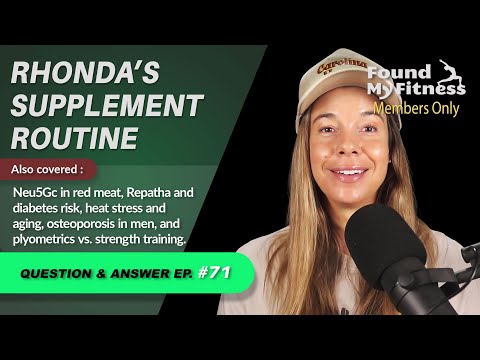
Q&A #71: Does Neu5Gc in Red Meat Raise Cancer Risk?—Plus Cholesterol Drugs & Diabetes Risk

Jun 23, 2025

Dr. Rhonda Patrick discusses her supplement routine, Neu5Gc risks, Repatha and diabetes, heat stress, osteoporosis in men, and plyometrics.
heat stress omega-3 probiotics aging
212
Q&A
Q&A Premium

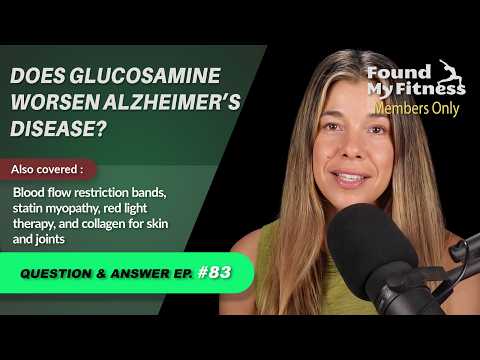
Q&A #83: Does Glucosamine Worsen Alzheimer’s Disease?

Aug 3, 2026

“The discussion of fiber and nutrient or supplement absorption begins at 19:38. The Oats and beta-glucan topic provides the wider cholesterol evidence and explains why whole oats, beta-glucan powder, and psyllium should not be compared solely by their serving weights.”

magnesium alzheimer's vitamin c curcumin
213
Q&A
Q&A Premium

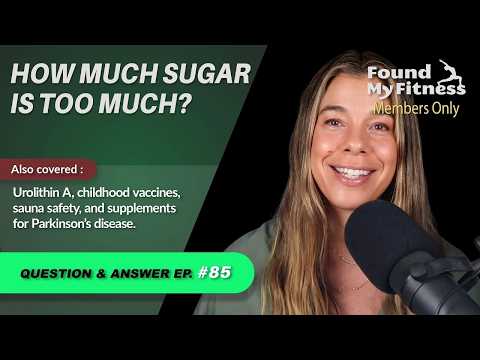
Q&A #85: How Much Sugar Is Too Much—and Can Supplements Help Parkinson's?

Oct 9, 2026

Dr. Rhonda Patrick discusses urolithin A, postmenopausal protein, microplastics, high-temperature saunas, sugar intake, and supplements for Parkinson's disease.

rhonda parkinson's sugar urolithin a
214
Episode
Episode

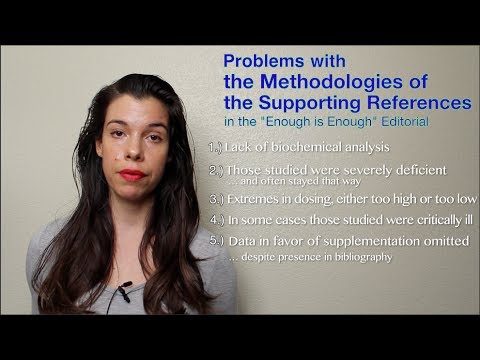
Rebuttal to Anti-Vitamin Editorial: "Enough is Enough"

Feb 1, 2014

“In this podcast, we discuss and critically analyze a recent headline-grabbing editorial that was published in the Annals of Internal Medicine that reviewed three studies on the topic of multivitamins and chronic disease prevention. We analyze the important shortcomings of the studies and talk about the mechanism.”

micronutrients nutrition diet obesity
Play episode
215
Clip
Clip

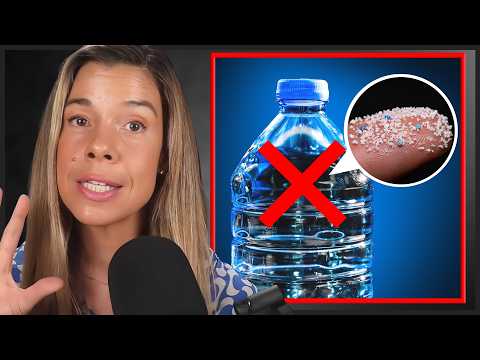
How to Reduce Exposure to Microplastics and Plastic Chemicals

Sep 23, 2024

“Dr. Patrick recommends transferring food to glass or ceramic before heating and treating BPA-free labels cautiously because replacement chemicals can have their own biological activity.”

pollution diet bisphenol a environment
Watch clip
216
Episode
Episode

Refined Sugar and Its Effects on Mortality, the Brain, Cancer, Hormones, & More

Mar 18, 2017

“Whereas its link to diabetes is well known, what is likely underappreciated is that refined sugar may be linked to as many as 200,000 deaths worldwide each year from diabetes, cardiovascular disease, and cancer combined. Refined sugar also affects the brain.”

sugar nutrition brain cancer
Play episode
217
Clip
Clip

How Dr. Rhonda Patrick Chooses Her Most Important Supplements

May 12, 2025

“In this clip from Dr. Rhonda Patrick's appearance on The School of Greatness, she explains how she narrows a long supplement routine to three priorities: marine omega-3 fatty acids, vitamin D, and sulforaphane.”

supplements omega-3 vitamin d magnesium
Watch clip
218
Episode
Episode

Does Saturated Fat Cause Heart Disease?

Nov 27, 2017

“Although the findings of a large meta-analysis published in the journal Annals of Internal Medicine indicated that there was no evidence to support the notion that consumption of saturated fat increased the risk of heart disease, the studies on which their conclusions were based were primarily observational.”

heart disease nutrition diet inflammation
Play episode
219
Episode
Episode

How To Increase Sulforaphane in Broccoli Sprouts by ~3.5-fold

Nov 16, 2017

“This is a video on how to plausibly increase the sulforaphane created from the glucoraphanin in your broccoli sprouts by up to 3.5-fold, based on the results of a 2004 Phytochemistry paper entitled "Heating decreases epithiospecifier protein activity and increases sulforaphane formation in broccoli."”

sulforaphane diet video nrf2
Play episode
220
Episode
Episode

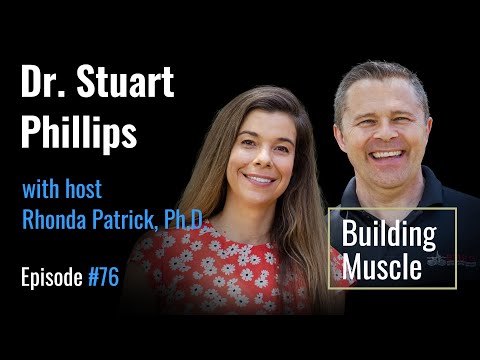
Stuart Phillips, PhD, on Building Muscle with Resistance Exercise and Reassessing Protein Intake

Jun 29, 2022

“Based on findings from more recent studies using stable isotopes, which more accurately assess muscle protein anabolism and catabolism, Dr. Phillips believes that eating 1.2 to 1.6 grams of protein per kilogram of bodyweight (about 0.5 to 0.7 grams per pound) is likely optimal for muscle protein synthesis, especially as one ages.”

exercise vitamin d nutrition diet
Play episode
Load more related episodes

Explore More

  • Home
  • Episodes
  • Membership
  • The Aliquot
  • About
  • Healthspan Gear
  • Genetics

Our Mission

Promoting strategies to increase healthspan, well-being, cognitive and physical performance through deeper understandings of biology. Learn more about Dr. Rhonda Patrick.

Questions?

Send us a message here

Search

Follow us here

  • Instagram
  • Twitter
  • Facebook

Watch and listen

  • YouTube
  • Apple Podcasts
  • Spotify
This site is protected by reCAPTCHA and is subject to the Google Privacy Policy and Terms of Service, as well as our own Privacy Policy and Terms of Service.