• Episodes
  • Topics
  • AMA
  • Science Digest
  • The Aliquot
  • Genetics
Sign in Become a member
Search
Back to episode

FoundMyFitness library

Related Episodes for What is the "master clock" or Suprachiasmatic Nucleus? | Satchin Panda

Ranked by shared topics, with one result from each original episode.

171
Q&A
Q&A Premium

Q&A #9: Viral Defense—Sulforaphane, NAC, Glutathione, & Vitamin D

Mar 7, 2020

Dr. Rhonda Patrick answers audience questions on various health, nutrition, and science topics in this Q&A session.
rhonda vitamin d brain cancer
172
Episode
Episode

Refined Sugar and Its Effects on Mortality, the Brain, Cancer, Hormones, & More

Mar 18, 2017

“Whereas its link to diabetes is well known, what is likely underappreciated is that refined sugar may be linked to as many as 200,000 deaths worldwide each year from diabetes, cardiovascular disease, and cancer combined. Refined sugar also affects the brain.”

sugar nutrition brain cancer
Play episode
173
Clip
Clip

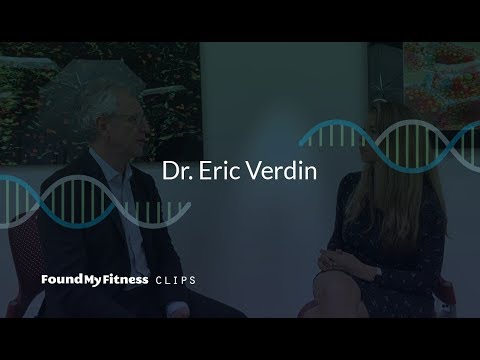
Replenishing falling levels of NAD+ may be a strategy for reducing some symptoms of aging | Eric Verdin

Jul 15, 2019

“One hypothesis is that DNA repair enzymes, known as PARP (poly ADP-ribose polymerase), might be using up more NAD+ to fix the accumulated DNA damage that occurs with age. Alternately, the cellular pathway that recycles NAD+ may decline in performance with age.”

aging metabolism inflammation dna damage
Watch clip
174
Episode
Episode

Is Resveratrol a Longevity Compound?

Dec 30, 2019

“In this episode, Rhonda gives a summary of the science of resveratrol including its effects in animals and humans, the mechanisms behind how it works, and the bottom line on resveratrol supplementation and safety. A few key moments... For a more in-depth timeline, as well as references for this episode, click the timeline tab. Learn more about resveratrol on our overview page”

resveratrol nutrition exercise brain
Play episode
175
Episode
Episode

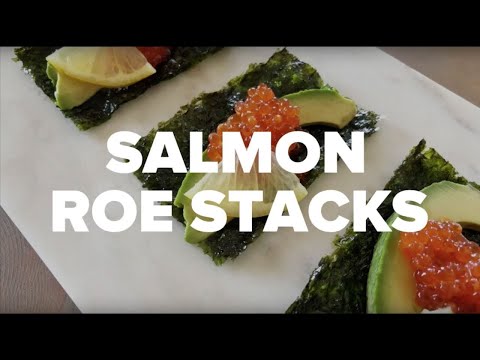
Salmon Roe Stacks Recipe

Aug 31, 2018

“Not only is salmon roe a good source of DHA, it also provides protein, vitamins, minerals, and astaxanthin – an antioxidant compound that gives salmon its reddish or pinkish tint. In human studies, astaxanthin reduces biomarkers of oxidative stress.”

omega-3 nutrition brain alzheimer's
Play episode
176
Clip
Clip

Rhonda Patrick discusses sauna use associated with lowering risk for dementia and heart disease

Jul 15, 2019

“Sauna use is associated with reduced risk of many diseases, including cardiovascular and neurodegenerative diseases. One mechanism that drives this reduced risk is likely heat shock proteins, a class of proteins produced by cells in response to stressful conditions such as heat exposure.”

sauna alzheimer's heart disease dementia
Watch clip
177
Episode
Episode

The Brain and Social Impacts of Screen Time and Early Device Exposure

Sep 7, 2023

“Ultimately, we all have to weigh the merits and the trade-offs of portable devices for ourselves and our children individually, but it might mean holding out on the tablet until they're a little older, setting rules around it, and certainly demonstrating our own self-discipline in their use.”

development brain behavior intelligence
Play episode
178
Episode
Episode

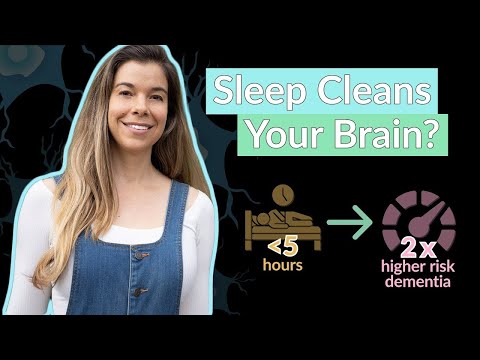
The Hidden Connection Between Sleep and Dementia

Apr 14, 2021

“Although scientists have identified other lifestyle behaviors that can help prevent the build-up of amyloid plaques by boosting the capacity for glymphatic clearance – such as exercise and adequate intake of omega-3 – the most important factor by far is a good night's sleep, especially deep sleep.”

sleep brain alzheimer's
Play episode
179
Episode
Episode

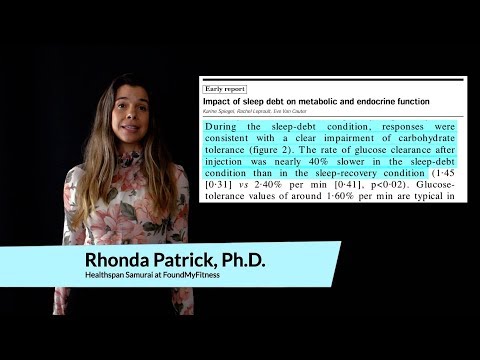
Sleep loss impairs glucose regulation (but exercise helps)

Mar 13, 2019

“When most people think about certain lifestyle factors that affect insulin sensitivity and blood glucose levels, they think about macronutrient composition, or calories, or fasting, or exercise (and lack of), but they don’t often think about sleep.”

sleep exercise obesity metabolism
Play episode
180
Episode
Episode

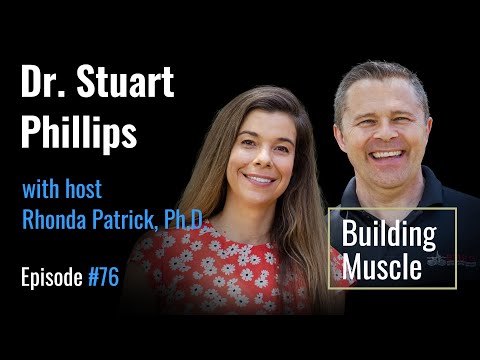
Stuart Phillips, PhD, on Building Muscle with Resistance Exercise and Reassessing Protein Intake

Jun 29, 2022

“Based on findings from more recent studies using stable isotopes, which more accurately assess muscle protein anabolism and catabolism, Dr. Phillips believes that eating 1.2 to 1.6 grams of protein per kilogram of bodyweight (about 0.5 to 0.7 grams per pound) is likely optimal for muscle protein synthesis, especially as one ages.”

exercise vitamin d nutrition diet
Play episode
Load more related episodes

Explore More

  • Home
  • Episodes
  • Membership
  • The Aliquot
  • About
  • Healthspan Gear
  • Genetics

Our Mission

Promoting strategies to increase healthspan, well-being, cognitive and physical performance through deeper understandings of biology. Learn more about Dr. Rhonda Patrick.

Questions?

Send us a message here

Search

Follow us here

  • Instagram
  • Twitter
  • Facebook

Watch and listen

  • YouTube
  • Apple Podcasts
  • Spotify
This site is protected by reCAPTCHA and is subject to the Google Privacy Policy and Terms of Service, as well as our own Privacy Policy and Terms of Service.