Q&A
Q&A #7: How Long Should You Breastfeed?—Infant Nutrition & Vitamin D
Dr. Rhonda Patrick answers audience questions on various health, nutrition, and science topics in this Q&A session.
Search could not finish. Try again.
Found 308 matches across the FoundMyFitness library.
Q&A
Dr. Rhonda Patrick answers audience questions on various health, nutrition, and science topics in this Q&A session.
Clip
“Insulin-like growth factor 1 (IGF-1) promotes the growth of existing cancer cells and contributes to aging, but also has some beneficial functions. IGF-1 is required for the growth and repair of muscles and is also necessary for producing new brain cells.”
Clip
In this clip, Dr. Patrick explains how intense exercise beneficially alters tryptophan and kynurenine metabolism in a way that may benefit depression.
Clip
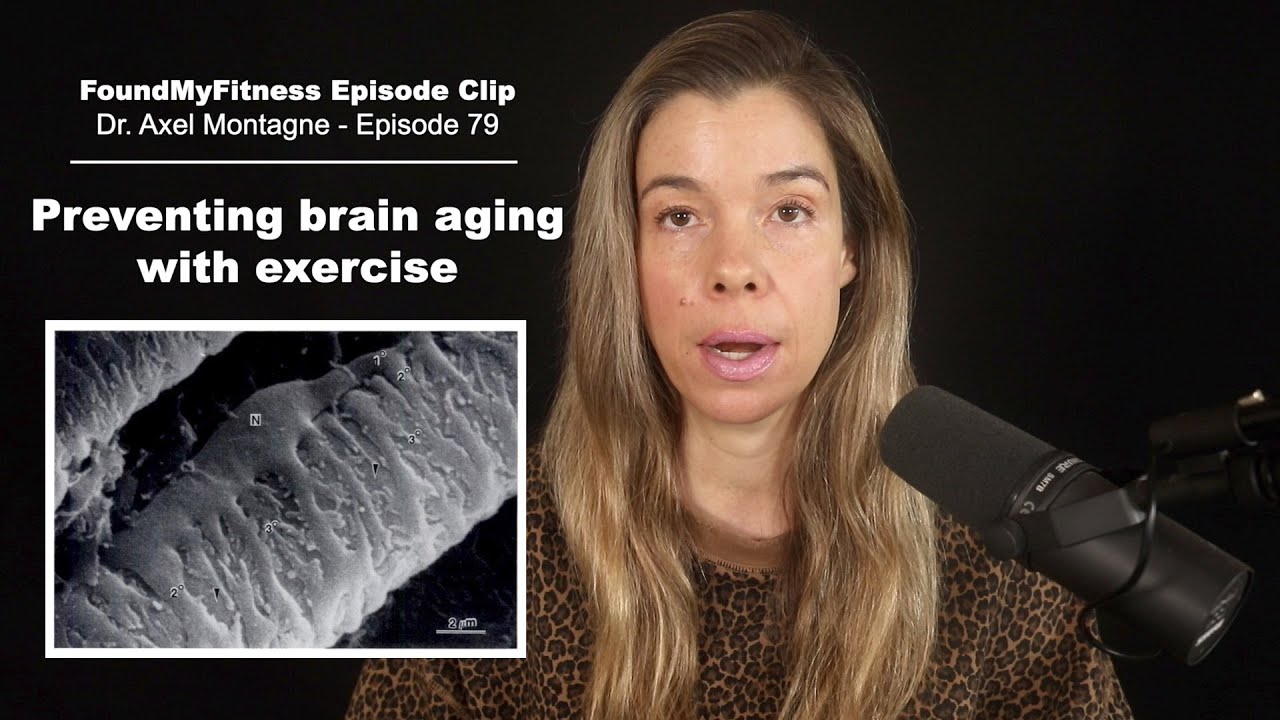
“Brain health depends on periods of high heart rate. Failing that, brain capillary health is compromised, and neurons are lost. In this clip, Dr. Axel Montagne highlights how 90 percent of our brain vasculature are tiny blood vessels - without exercise, they collapse, and neurons die.”
Clip
“However, upon refeeding only lean muscle mass is regenerated. The overall result, a loss of visceral fat without depleting lean muscle mass, is a desirable feature of a prolonged fast, particularly for athletic performance.”
Episode
“Vigorous exercise enhances brain health, too, by boosting the production of BDNF, a protein essential for brain flexibility and sharp thinking. When we work out hard enough to get our heart rate up to about 80 percent of its max, our bodies produce lactate.”
“But high blood pressure is also easily modifiable with lifestyle – a low-hanging fruit that can play a huge role in lowering disease risk. By actively adopting healthy lifestyle behaviors, you have the power to positively influence your blood pressure levels.”
Q&A
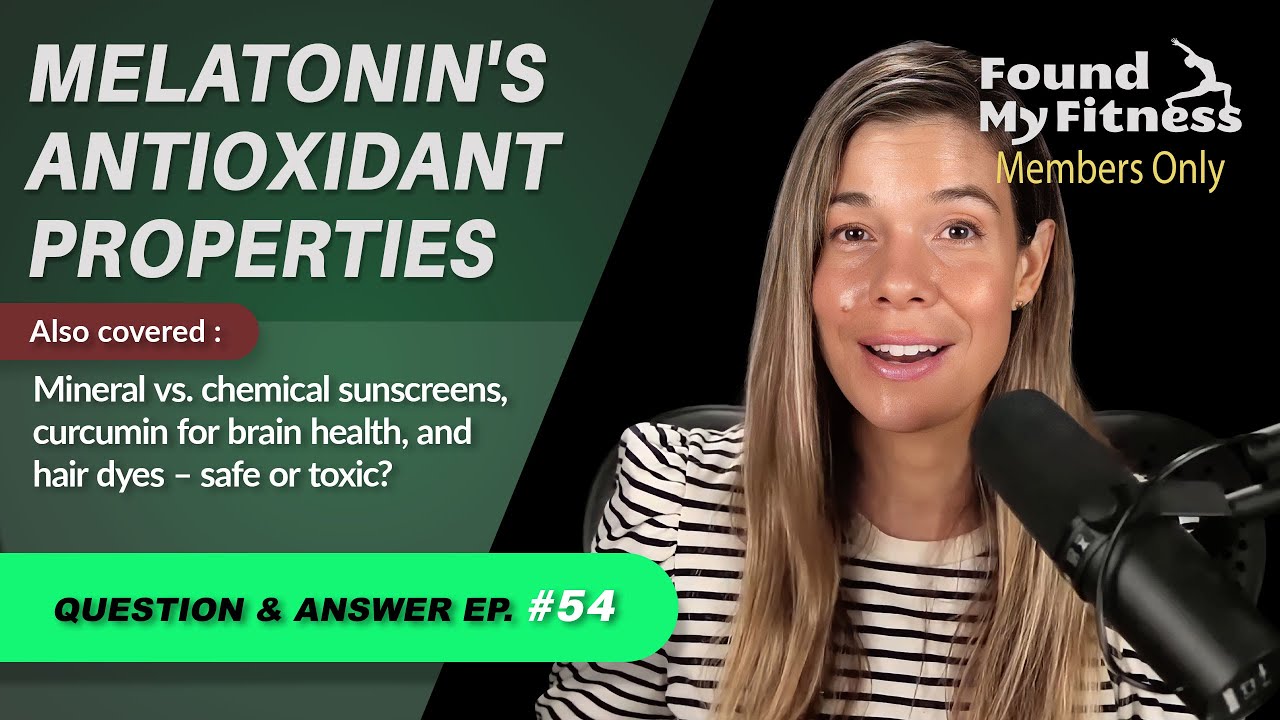
Dr. Rhonda Patrick explores melatonin's antioxidant properties, curcumin supplementation, antinutrients, and SARMs in her latest Q&A.
Episode
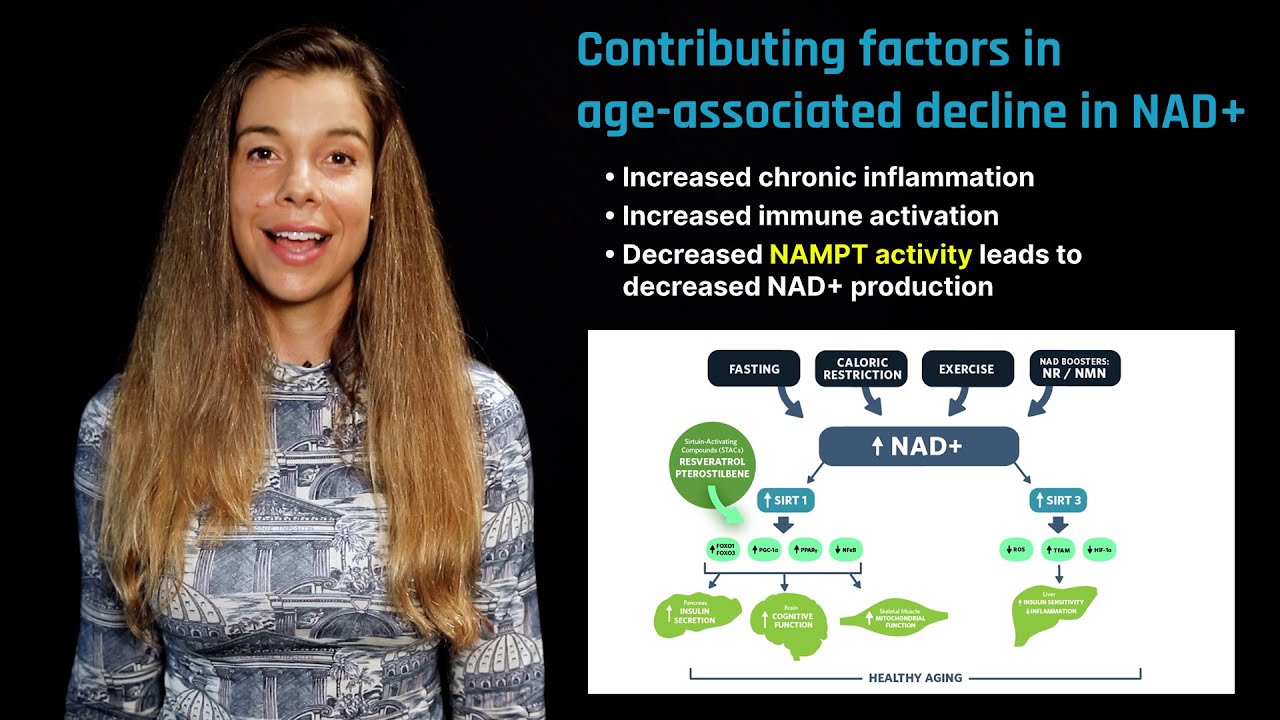
“And, while intravenous administration could address some of the bioavailability issues, not only has a NAD+ transporter not been identified, but extracellular NAD+ is not readily taken up into tissues, with possible exception of the brain and heart.”
Clip
“The gut-brain axis, the bidirectional signaling pathway between the gastrointestinal tract and the nervous system, modulates the body's stress response. A key player in this pathway is the gut microbiome, the collection of genomes of the microorganisms that exist in the gastrointestinal tract.”
Results 171–180 of 308
Premium Members received this study with Rhonda’s practical commentary and 8+ other hand-picked papers. Get the Science Digest delivered every other week.
Every other week our Premium Members receive deep dives like this alongside Rhonda's commentary and 8+ other hand-picked papers.