Q&A
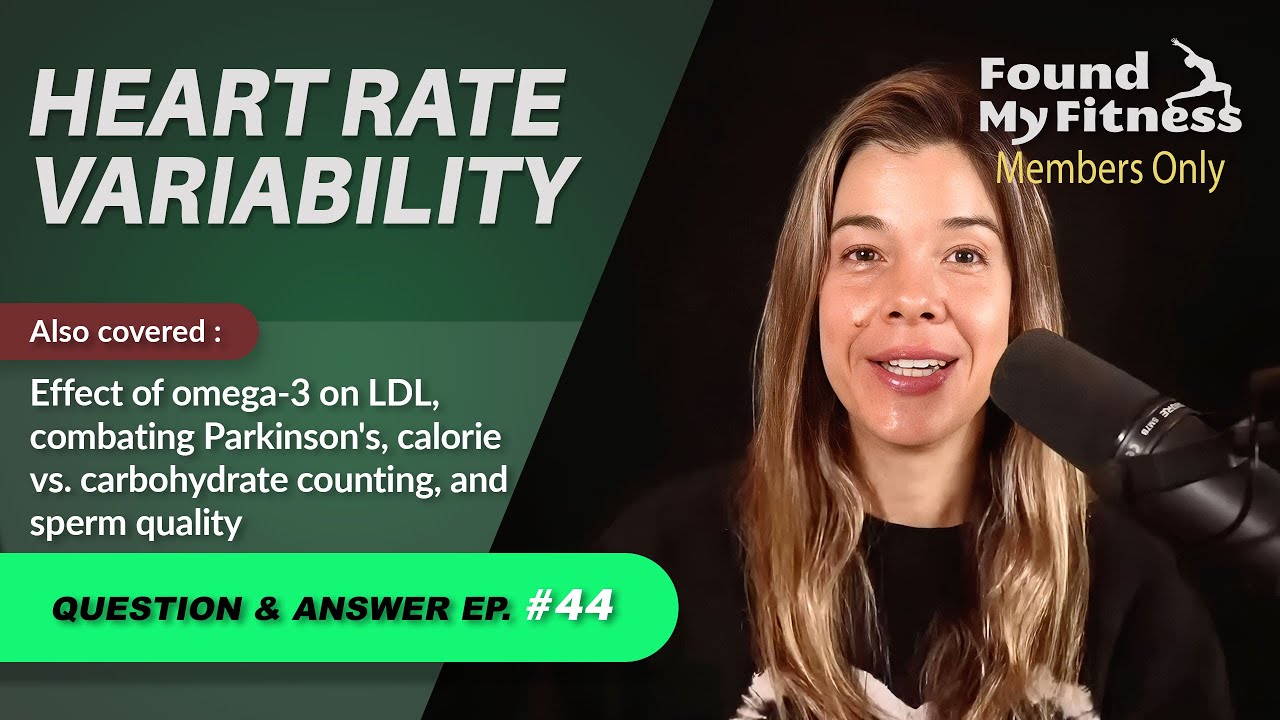
Q&A #44: Should You Take NAC Daily—and Does Fish Oil Raise LDL?
Dr. Rhonda Patrick answers audience questions on various health, nutrition, and science topics in this Q&A session.
Search could not finish. Try again.
Found 314 matches across the FoundMyFitness library.
Q&A
Dr. Rhonda Patrick answers audience questions on various health, nutrition, and science topics in this Q&A session.
Q&A
Dr. Rhonda Patrick answers audience questions on various health, nutrition, and science topics in this Q&A session.
Clip
“In a small immobilization trial, five grams per day of omega-3 fatty acids reduced the loss of muscle volume in young women compared with sunflower oil, supporting continued research on omega-3s and disuse atrophy. Heat is the fourth proposed tool.”
Episode
“There is so much to say when we talk about the NRF2 pathway and isothiocyanates like sulforaphane that we had to pack it into 47 minutes and break it into a few key sections. Key sections: For a more in-depth breakdown click the timeline link at the top of this page!”
“Lifestyle factors, such as exercise, nutrition, sleep, and others, can temper some of the risks associated with carrying APOE4. This Aliquot focuses on the ones that can have the greatest benefits – and the ones that do the most harm.”
“In this Aliquot, I explain why visceral fat behaves so differently from other fat, how it drives insulin resistance and chronic disease, and what research shows about the most effective ways to reduce it.”
Clip
“Epigenetic clocks may provide a means of explaining these and other differential aging rates. In this clip, Dr. Steve Horvath discusses how traditional biomarkers of health and age don't correlate well with epigenetic age.”
Clip
“Recent data from animal studies indicate that time-restricted feeding – even in overweight animals eating a poor diet – has beneficial effects on metabolic health. Studies investigating whether the same benefits will be observed in a real-world setting in humans are lacking, however.”
Clip
“Low HDL cholesterol has been associated with high levels of the artery-damaging small dense LDL particles. In this clip, Dr. Ronald Krauss discusses the complexities of HDL cholesterol and its relationship to heart disease risk.”
Clip
“The body has elegant mechanisms that allow it to utilize non-carbohydrate substrates to generate glucose. Gluconeogenesis is a metabolic pathway in which the liver produces glucose from non-carbohydrate substrates including glucogenic amino acids (from protein) and glycerol (from lipids).”
Results 221–230 of 314
Premium Members received this study with Rhonda’s practical commentary and 8+ other hand-picked papers. Get the Science Digest delivered every other week.
Every other week our Premium Members receive deep dives like this alongside Rhonda's commentary and 8+ other hand-picked papers.