Q&A
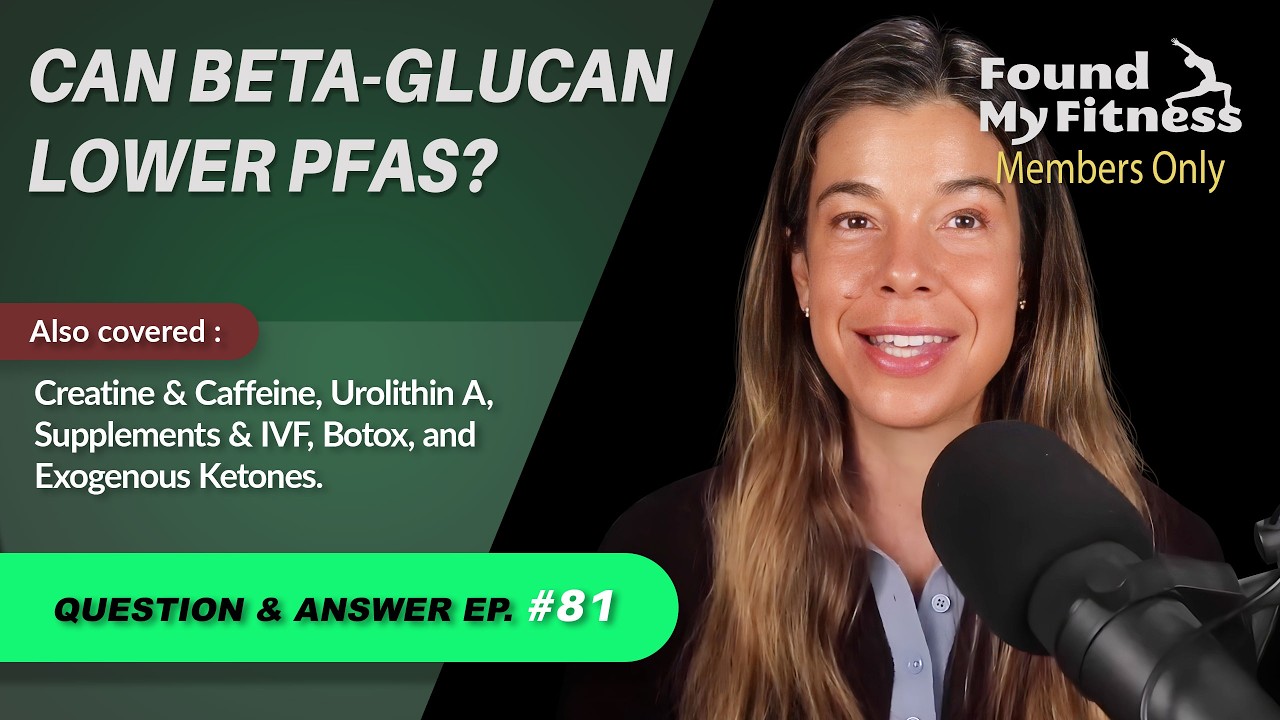
Q&A #81: Beta-Glucan vs. Psyllium—LDL Reduction, PFAS, & Gluten
Beta-glucan versus psyllium for lowering LDL, PFAS reduction, creatine and caffeine, urolithin A, exogenous ketones, IVF, Botox, and sauna.
Search could not finish. Try again.
Found 191 matches across the FoundMyFitness library.
Q&A
Beta-glucan versus psyllium for lowering LDL, PFAS reduction, creatine and caffeine, urolithin A, exogenous ketones, IVF, Botox, and sauna.

Clip
“Coffee contains caffeine and polyphenols such as chlorogenic acids. In this clip from Dr. Rhonda Patrick's appearance on Mayim Bialik's Breakdown, she discusses how coffee preparation, dose, and caffeine content can shape its effects.”
Clip
“Caffeine – especially when consumed early in the morning – resets the body's internal clocks and provides a mental boost that helps us start the day. But how caffeine affects our circadian rhythms at other times of the day and whether it influences various aspects of our metabolism during time-restricted eating are not well understood.”
Clip
“In this FoundMyFitness Premium Q&A preview, Dr. Rhonda Patrick reviews common contributors to fragmented sleep, including insomnia, sleep apnea, nocturia, psychological stress, irregular schedules, caffeine, alcohol, light, noise, temperature, and late eating.”
Clip
“Small crossover trials found improvements in selected attention measures, with results varying by dose, timing, and task. L-theanine may reduce jitteriness or shape attention, but it does not prevent caffeine from delaying sleep or disrupting sleep quality.”
“Cognitive enhancement is a hot topic, but the best ways to sharpen focus, boost motivation, and support brain health aren't always clear-cut. Stimulants like nicotine and caffeine offer immediate benefits but come with trade-offs—some minor, others riskier.”
“From THC, CBD, alcohol, caffeine, and nicotine to melatonin, magnesium, glycine, and calming botanicals, these compounds can either support restorative sleep or subtly hijack it, changing REM, deep sleep, and circadian timing in ways we often do not feel until the next day.”
Clip
“Acutely, however, caffeine can raise glucose or reduce insulin sensitivity in some people through sympathetic activation, so a short-term glucose response is not identical to the longer-term association. Timing provides the practical answer.”
Episode
“Caffeine and strategic napping Use caffeine early in the shift only as a way to kickstart alertness and focus. If you push caffeine into the second half, it will collide with the time you're trying to wind down and sleep, compounding the problem.”
Episode
“But for those who prefer that morning workout, caffeine boosts fat oxidation during morning exercise. A role for caffeine in circadian rhythms Staying up late at night or eating food when the body is less capable of metabolizing it ignores the body's natural rhythms.”
Results 31–40 of 191
Premium Members received this study with Rhonda’s practical commentary and 8+ other hand-picked papers. Get the Science Digest delivered every other week.
Every other week our Premium Members receive deep dives like this alongside Rhonda's commentary and 8+ other hand-picked papers.