Q&A
Q&A #32: Protein, mTOR & IGF-1—Plus Rhonda’s Skincare Routine
Dr. Rhonda Patrick answers audience questions on various health, nutrition, and science topics in this Q&A session.
Search could not finish. Try again.
Found 1,234 matches across the FoundMyFitness library.
Q&A
Dr. Rhonda Patrick answers audience questions on various health, nutrition, and science topics in this Q&A session.
Q&A
Dr. Rhonda Patrick answers audience questions on various health, nutrition, and science topics in this Q&A session.
Q&A
Dr. Rhonda Patrick answers audience questions on various health, nutrition, and science topics in this Q&A session.
Clip
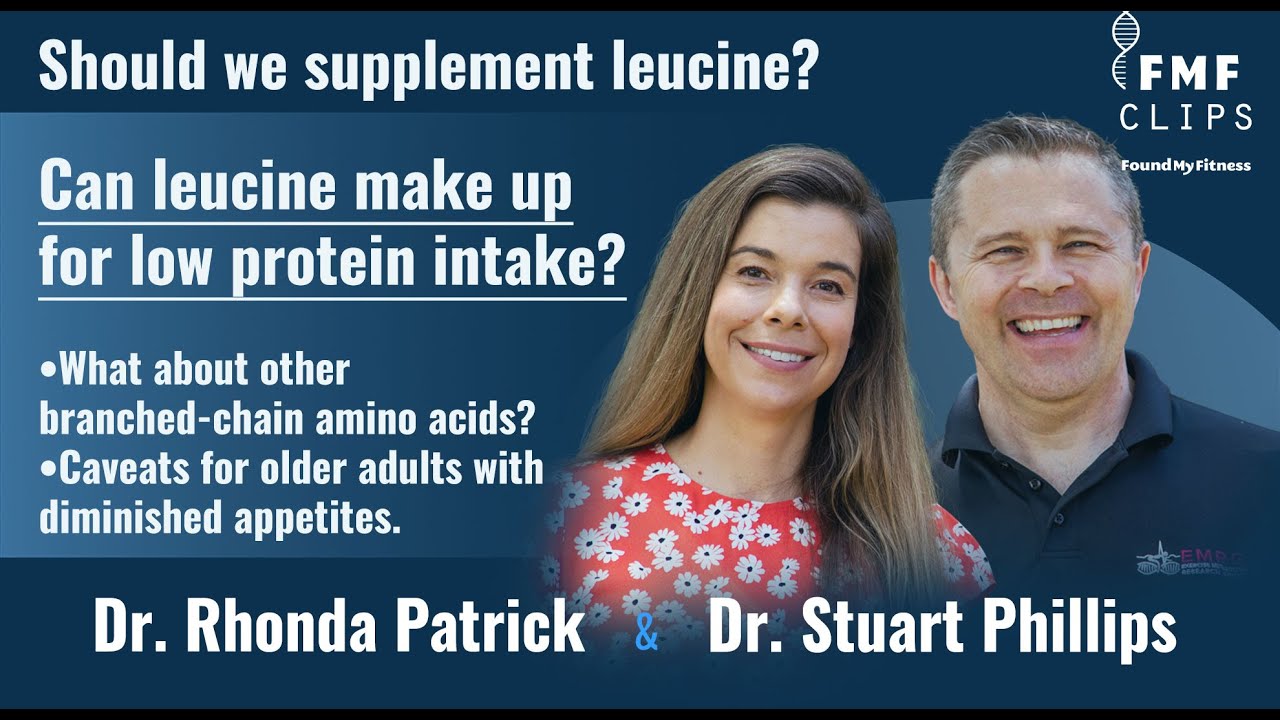
“It's the leucine that really counts, says Dr. Phillips, and if a person eats sufficient protein, they're probably consuming enough leucine. There are caveats for older adults, who might benefit from a little supplemental leucine to offset their lower protein intake.”
Clip
“A lesser-known contributor is anabolic resistance, the reduced sensitivity to a given protein dose that promotes muscle building. Dr. Phillips describes studies in his laboratory suggesting that inactivity is a driver of anabolic resistance.”
Clip
“Whereas fasting turns off multiple pathways associated with aging, such as mTOR and IGF-1, eating for optimal fitness activates these important processes. The IGF-1 pathway, in particular, plays key roles in growth and is strongly associated with cancer.”
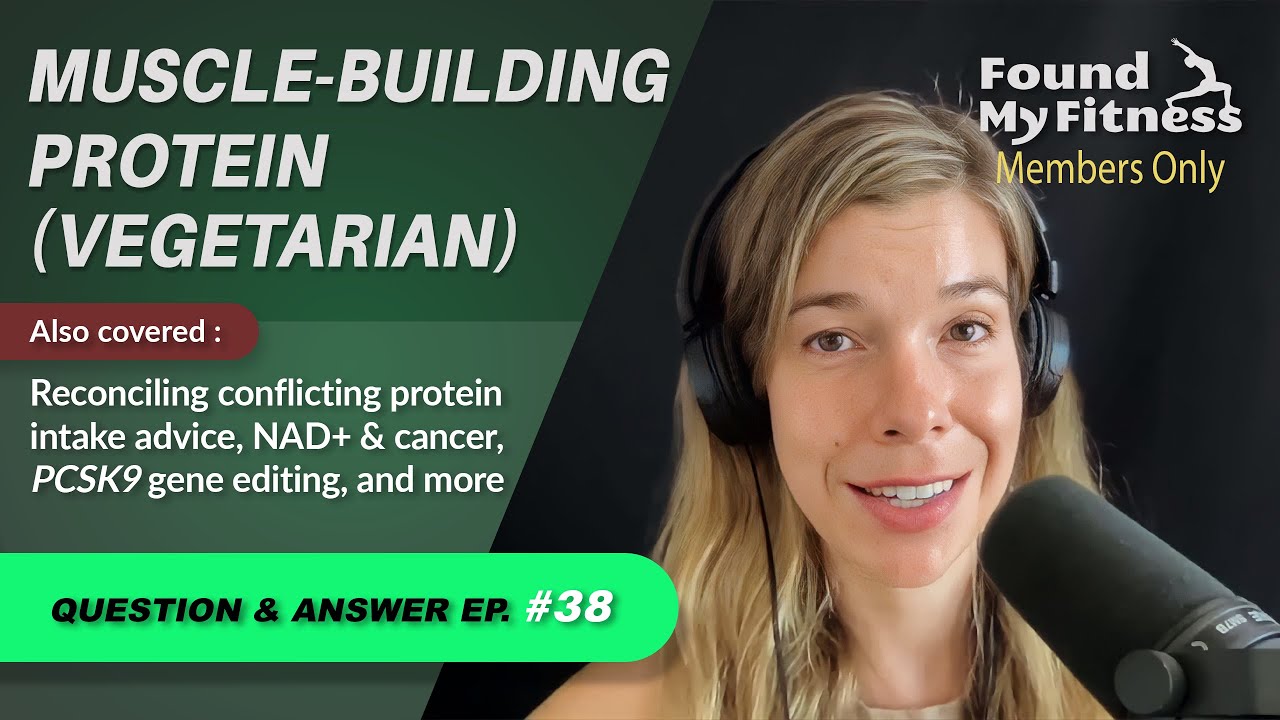
“Consuming sufficient protein is essential for muscle growth and maintenance. Emphasis on specific amino acids within protein, particularly the branched-chain amino acids, probably isn't necessary unless you're an elite athlete or an older adult.”
Episode
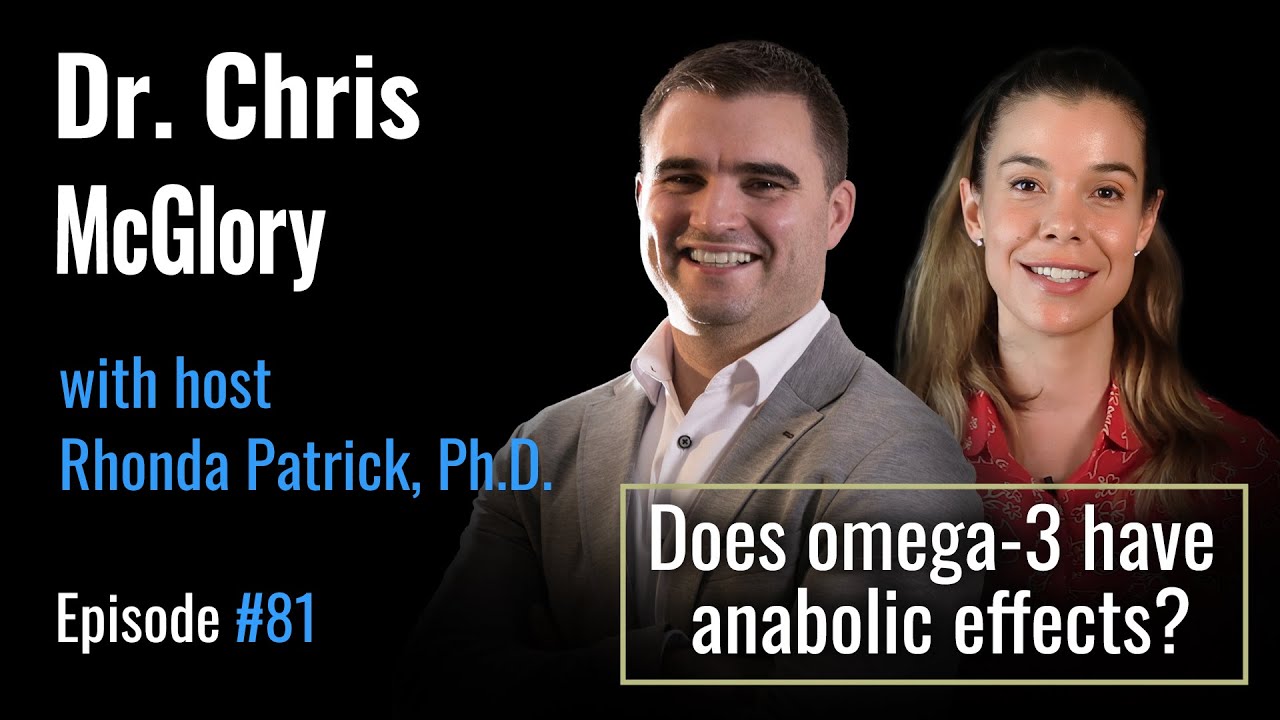
“The influence of omega-3 fatty acids on skeletal muscle protein turnover in health, disuse, and disease (2019). Transcriptomic links to muscle mass loss and declines in cumulative muscle protein synthesis during short‐term disuse in healthy younger humans (2021).”
Clip
“Sauna use is associated with reduced risk of many diseases, including cardiovascular and neurodegenerative diseases. One mechanism that drives this reduced risk is likely heat shock proteins, a class of proteins produced by cells in response to stressful conditions such as heat exposure.”
Clip
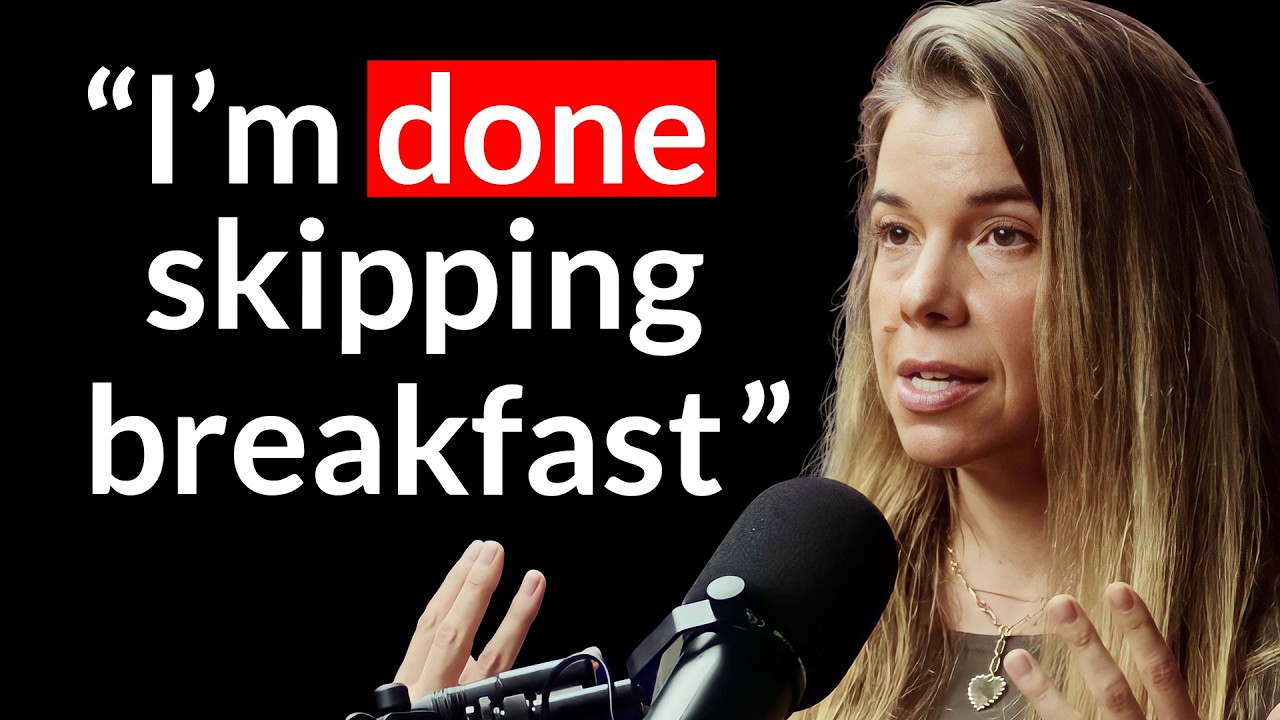
“This supports Dr. Patrick's point that the eating window must still contain enough total protein and a strong muscle-building stimulus. Morning protein can be especially useful for older adults, who often eat less protein at breakfast and experience anabolic resistance.”
Results 41–50 of 1,234
Premium Members received this study with Rhonda’s practical commentary and 8+ other hand-picked papers. Get the Science Digest delivered every other week.
Every other week our Premium Members receive deep dives like this alongside Rhonda's commentary and 8+ other hand-picked papers.