• Episodes
  • Topics
  • AMA
  • Science Digest
  • The Aliquot
  • Genetics
Sign in Become a member
Search
Back to episode

FoundMyFitness library

Related Episodes for The 'Big Mac effect:' the unhealthy combination of refined carbohydrates and saturated fat

Ranked by shared topics, with one result from each original episode.

131
Q&A
Q&A Premium

Q&A #64: Peptide Therapies—BPC-157, TB-500, & GHK-Cu

Nov 2, 2024

Dr. Rhonda Patrick discusses silicone safety, grounding, pentadecanoic acid, and the potential benefits of olive leaf extract and peptides.

rhonda diet inflammation immune system
132
Q&A
Q&A Premium

Q&A #65: Are Food Emulsifiers Harmful to Gut and Metabolic Health?

Dec 7, 2024

Dr. Rhonda Patrick discusses Akkermansia muciniphila, vitamin B1's effect on blood sugar, emulsifiers in food, and electrolyte supplements.

rhonda exercise diet microbiome
133
Episode
Episode

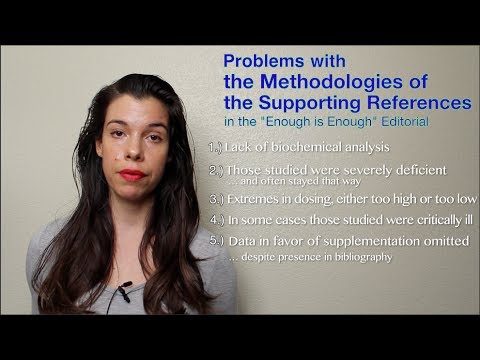
Rebuttal to Anti-Vitamin Editorial: "Enough is Enough"

Feb 1, 2014

“In this podcast, we discuss and critically analyze a recent headline-grabbing editorial that was published in the Annals of Internal Medicine that reviewed three studies on the topic of multivitamins and chronic disease prevention. We analyze the important shortcomings of the studies and talk about the mechanism.”

micronutrients nutrition diet obesity
Play episode
134
Clip
Clip

How to Reduce Exposure to Microplastics and Plastic Chemicals

Sep 23, 2024

“Dr. Patrick recommends transferring food to glass or ceramic before heating and treating BPA-free labels cautiously because replacement chemicals can have their own biological activity.”

pollution diet bisphenol a environment
Watch clip
135
Episode
Episode

Refined Sugar and Its Effects on Mortality, the Brain, Cancer, Hormones, & More

Mar 18, 2017

“Whereas its link to diabetes is well known, what is likely underappreciated is that refined sugar may be linked to as many as 200,000 deaths worldwide each year from diabetes, cardiovascular disease, and cancer combined. Refined sugar also affects the brain.”

sugar nutrition brain cancer
Play episode
136
Episode
Episode

New Omega-3, sulforaphane research, and more! [Kevin Rose Show]

Jan 8, 2020

“Dr. Rhonda Patrick visits the Kevin Rose Show to discuss metformin, magnesium L-threonate, fish oil and brain health, sulforaphane, goitrogenic activity of isothiocyanates, sauna, and more. Subscribe to the Kevin Rose Show on iTunes. Learn more about Kevin Rose @kevinrose on Twitter. KevinRose.com. The Kevin Rose Show on iTunes. Foundation by True Ventures.”

rhonda nutrition cancer diet
Play episode
137
Episode
Episode

How To Increase Sulforaphane in Broccoli Sprouts by ~3.5-fold

Nov 16, 2017

“This is a video on how to plausibly increase the sulforaphane created from the glucoraphanin in your broccoli sprouts by up to 3.5-fold, based on the results of a 2004 Phytochemistry paper entitled "Heating decreases epithiospecifier protein activity and increases sulforaphane formation in broccoli."”

sulforaphane diet video nrf2
Play episode
138
Clip
Clip

How Sleep Loss Disrupts Glucose Regulation

Nov 15, 2024

“In this clip, Dr. Rhonda Patrick distinguishes several sleep exposures. Mild restriction means losing roughly one to three hours for several nights; severe laboratory restriction can mean four hours in bed; chronic cohort studies compare habitual short and long sleep.”

sleep obesity metabolism diabetes
Watch clip
139
Clip
Clip

Sleep deprivation leads to a preference for carbohydrates and sugary snacks | Matthew Walker

Jul 12, 2019

“Ghrelin, a hormone produced in the gut that signals hunger, acts on cells in the hypothalamus to stimulate appetite, increase food intake, and promote growth. It is often referred to as the "hunger hormone."”

sleep carbohydrates
Watch clip
140
Episode
Episode

Stuart Phillips, PhD, on Building Muscle with Resistance Exercise and Reassessing Protein Intake

Jun 29, 2022

“Based on findings from more recent studies using stable isotopes, which more accurately assess muscle protein anabolism and catabolism, Dr. Phillips believes that eating 1.2 to 1.6 grams of protein per kilogram of bodyweight (about 0.5 to 0.7 grams per pound) is likely optimal for muscle protein synthesis, especially as one ages.”

exercise vitamin d nutrition diet
Play episode
Load more related episodes

Explore More

  • Home
  • Episodes
  • Membership
  • The Aliquot
  • About
  • Healthspan Gear
  • Genetics

Our Mission

Promoting strategies to increase healthspan, well-being, cognitive and physical performance through deeper understandings of biology. Learn more about Dr. Rhonda Patrick.

Questions?

Send us a message here

Search

Follow us here

  • Instagram
  • Twitter
  • Facebook

Watch and listen

  • YouTube
  • Apple Podcasts
  • Spotify
This site is protected by reCAPTCHA and is subject to the Google Privacy Policy and Terms of Service, as well as our own Privacy Policy and Terms of Service.