Q&A
Q&A #36: How Much Protein After 50?—Sources, Timing, & Leucine
Dr. Rhonda Patrick answers audience questions on various health, nutrition, and science topics in this Q&A session.
FoundMyFitness library
Ranked by shared topics, with one result from each original episode.
Q&A
Dr. Rhonda Patrick answers audience questions on various health, nutrition, and science topics in this Q&A session.
Q&A
Dr. Rhonda Patrick answers audience questions on various health, nutrition, and science topics in this Q&A session.
Q&A
Dr. Rhonda Patrick explores taurine's longevity role, cocoa flavanols, training adaptations, and oral hyaluronic acid in a Q&A.
Q&A
Dr. Rhonda Patrick discusses fish oil and Afib risk, hyperbaric oxygen therapy, supplements for kids, and curcumin's impact on testosterone.
Episode
“Dr. Rhonda Patrick visits the Kevin Rose Show to discuss metformin, magnesium L-threonate, fish oil and brain health, sulforaphane, goitrogenic activity of isothiocyanates, sauna, and more. Subscribe to the Kevin Rose Show on iTunes. Learn more about Kevin Rose @kevinrose on Twitter. KevinRose.com. The Kevin Rose Show on iTunes. Foundation by True Ventures.”
Episode
“Diamandis and Robbins are a dynamic duo, having paired up with co-author Dr. Robert Hariri to write Life Force, a best-selling book that describes breakthroughs in precision medicine and health technologies that can help people live longer, healthier, more fulfilling lives – in the very near future.”
Clip
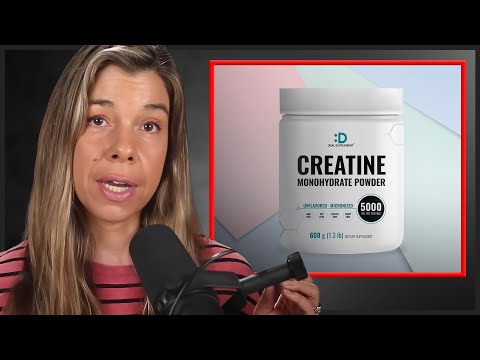
“In a small randomized trial of adults aged 60 to 80, five grams per day during 12 weeks of supervised resistance training increased lean mass more than placebo plus training; measured strength and bone outcomes did not significantly differ between groups.”
Clip
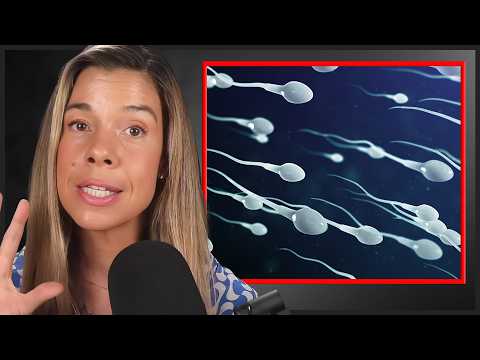
“A meta-analysis of randomized trials found improvements in selected semen measures with some antioxidant and nutrient interventions, but formulations varied and pregnancy or live-birth outcomes were limited. More antioxidant is not always better.”
Clip
“Dr. Patrick builds the strength sessions around compound movements such as squats, deadlifts, and overhead presses, then adds circuit-style exercises. She uses progressive loading, usually stops heavy lifts short of failure, and lets lighter movements move closer to failure when technique remains controlled.”
Episode
“Based on findings from more recent studies using stable isotopes, which more accurately assess muscle protein anabolism and catabolism, Dr. Phillips believes that eating 1.2 to 1.6 grams of protein per kilogram of bodyweight (about 0.5 to 0.7 grams per pound) is likely optimal for muscle protein synthesis, especially as one ages.”