Q&A
Q&A #74: How to Slow Immune Aging—Plus Gluten, Stroke Risk, & APOE4
Dr. Rhonda Patrick discusses stroke risk, eczema, immune resilience, her new smoothie recipe, and whether everyone should cut out gluten.
FoundMyFitness library
Ranked by shared topics, with one result from each original episode.
Q&A
Dr. Rhonda Patrick discusses stroke risk, eczema, immune resilience, her new smoothie recipe, and whether everyone should cut out gluten.
Q&A
Dr. Rhonda Patrick discusses urolithin A, postmenopausal protein, microplastics, high-temperature saunas, sugar intake, and supplements for Parkinson's disease.
Q&A
Dr. Rhonda Patrick answers audience questions on various health, nutrition, and science topics in this Q&A session.
Episode
“Whereas its link to diabetes is well known, what is likely underappreciated is that refined sugar may be linked to as many as 200,000 deaths worldwide each year from diabetes, cardiovascular disease, and cancer combined. Refined sugar also affects the brain.”
Clip
“One hypothesis is that DNA repair enzymes, known as PARP (poly ADP-ribose polymerase), might be using up more NAD+ to fix the accumulated DNA damage that occurs with age. Alternately, the cellular pathway that recycles NAD+ may decline in performance with age.”
Episode
“Diamandis and Robbins are a dynamic duo, having paired up with co-author Dr. Robert Hariri to write Life Force, a best-selling book that describes breakthroughs in precision medicine and health technologies that can help people live longer, healthier, more fulfilling lives – in the very near future.”
Episode
“The fascinating way Dr. Panda is using human anecdote from his trial to ask new scientific questions he wouldn't think to ask and then going back to animal data to figure it out and how this unique approach forms a sort of closed loop pattern: animal → human feedback → back to animal for mechanism.”
Episode
“This is a video on how to plausibly increase the sulforaphane created from the glucoraphanin in your broccoli sprouts by up to 3.5-fold, based on the results of a 2004 Phytochemistry paper entitled "Heating decreases epithiospecifier protein activity and increases sulforaphane formation in broccoli."”
Episode
“Rhonda and Steve discuss calorie restriction, GLP-1 therapy, multivitamins, omega-3s, vitamin D, vegetables, red meat, exercise, heat exposure, sleep, social connection, consumer testing, AI-built clocks, partial reprogramming, and why no single intervention is likely to stop aging on its own.”
Episode
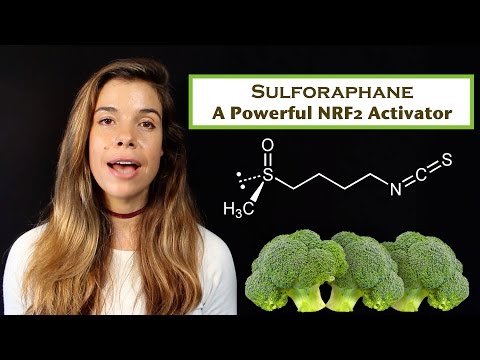
“There is so much to say when we talk about the NRF2 pathway and isothiocyanates like sulforaphane that we had to pack it into 47 minutes and break it into a few key sections. Key sections: For a more in-depth breakdown click the timeline link at the top of this page!”