Q&A
Q&A #67: Microdosing Nicotine—Focus, Addiction, Cardiovascular Risk, & Sleep
Dr. Rhonda Patrick discusses microdosing nicotine, GlyNac benefits, intermittent fasting and hair loss, and cold & flu relief.
FoundMyFitness library
Ranked by shared topics, with one result from each original episode.
Q&A
Dr. Rhonda Patrick discusses microdosing nicotine, GlyNac benefits, intermittent fasting and hair loss, and cold & flu relief.

Q&A
Dr. Rhonda Patrick covers lithium microdosing, reducing homocysteine, aluminum's link to cancer, and beta-alanine and alpha-lipoic acid supplements.
Q&A
Dr. Rhonda Patrick discusses child nutrition, osteoporosis, cholesterol-lowering supplements, her skincare routine, and fasting versus prioritizing protein.
Q&A
Dr. Rhonda Patrick discusses organic produce, fasting-mimicking diets, sleep, sauna, sunscreens, red light therapy, reverse osmosis water, and fiber.
Q&A
Dr. Rhonda Patrick discusses memory, tendon and bone health, male fertility, and the benefits of blueberries.
Q&A
Dr. Rhonda Patrick answers audience questions on various health, nutrition, and science topics in this Q&A session.
Clip
“In a small trial involving adults with obesity, a ketone monoester improved one processing-speed task and selected brain blood-flow measures, providing an early signal for further research. Temperature can also shape alertness and sleep preparation.”
Clip
“The Kuopio Ischemic Heart Disease Risk Factor Study, an ongoing prospective population-based cohort study of health outcomes in more than 2,300 middle-aged men from eastern Finland, identified strong, dose-dependent links between sauna use and reduced death and disease.”
Clip
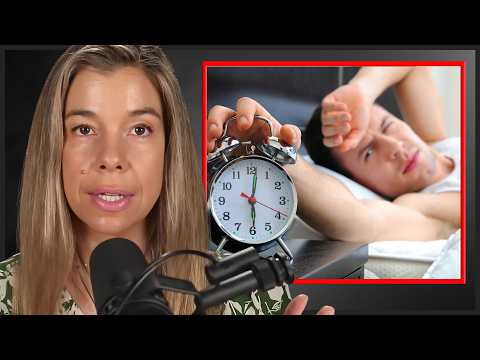
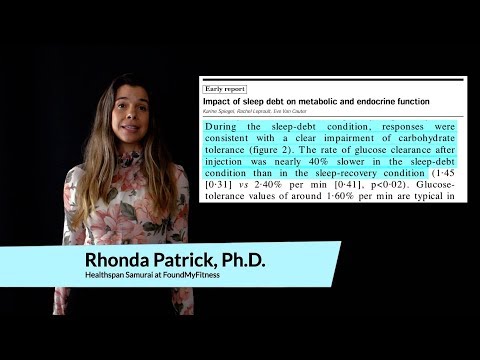
“In this clip, Dr. Rhonda Patrick distinguishes several sleep exposures. Mild restriction means losing roughly one to three hours for several nights; severe laboratory restriction can mean four hours in bed; chronic cohort studies compare habitual short and long sleep.”
Episode
“When most people think about certain lifestyle factors that affect insulin sensitivity and blood glucose levels, they think about macronutrient composition, or calories, or fasting, or exercise (and lack of), but they don’t often think about sleep.”