• Episodes
  • Topics
  • AMA
  • Science Digest
  • The Aliquot
  • Genetics
Sign in Become a member
Search
Back to episode

FoundMyFitness library

Related Episodes for How Exercise Affects Glucose After Sleep Loss

Ranked by shared topics, with one result from each original episode.

151
Clip
Clip

Dr. Satchin Panda's definition of ‘healthy’ — a circadian perspective

Jul 12, 2019

“A critical element in healthiness is the timing and content of our meals. Time-restricted eating, a form of daily fasting wherein the time of the day during which a person eats is limited, capitalizes on the body's natural circadian metabolic rhythms to promote health.”
circadian rhythm nutrition metabolism time-restricted eating
Watch clip
152
Episode
Episode

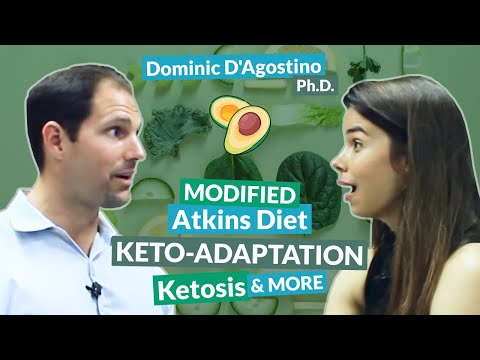
Dominic D'Agostino, Ph.D. on Modified Atkins Diet, Ketosis, Supplemental Ketones and More

Apr 10, 2016

“Dom's efforts at teasing out the differences between induced nutritional ketosis (through a low carbohydrate, high fat diet) and ketosis from the dietary introduction of exogenous ketones, like beta-hydroxybutyrate, especially in the context of therapeutic and performance enhancing effects.”

ketosis nutrition brain alzheimer's
Play episode
153
Clip
Clip

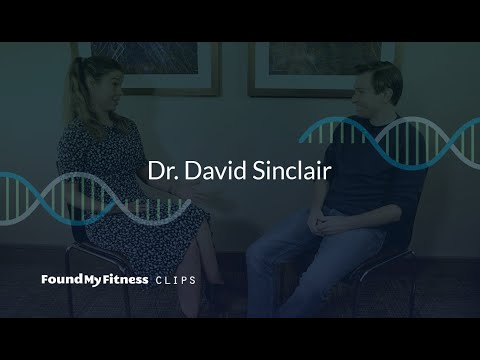
Dr. David Sinclair’s personal sleep habits | David Sinclair

Nov 7, 2019

“Reducing our late-night exposure to blue light is crucial for a good night's sleep. Limiting screen time or wearing blue light-filtering glasses can help. In this clip, Dr. David Sinclair describes his personal sleep habits for optimal performance during his workday.”

sleep aging
Watch clip
154
Episode
Episode

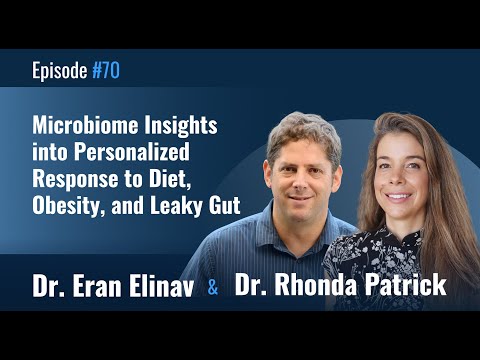
Dr. Eran Elinav: Microbiome Insights into Personalized Response to Diet, Obesity, and Leaky Gut

Feb 8, 2022

“For example, growing up in an overly hygienic environment increases a child's risk for developing autoimmune diseases, but exposure to dirt, especially from soil, pets, and roaches, in the first year of life may provide protection against asthma and allergy-related skin disease.”

microbiome obesity metabolism heart disease
Play episode
155
Clip
Clip

Exercise and Nutrition Strategies That Support Bone Density After 65

Mar 13, 2026

“In a two-year trial of 237 postmenopausal women, approximately 9 to 10 grams per day combined with resistance training and walking did not add a bone-density benefit, so its role is better framed around muscle and physical function.”

menopause vitamin d exercise aging
Watch clip
156
Clip
Clip

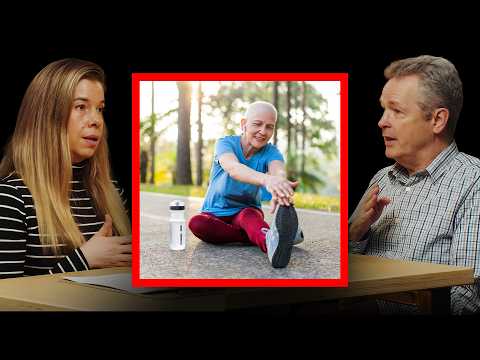
How Exercise Can Support Cancer Treatment

Mar 5, 2025

“Patients assigned to supervised exercise during neoadjuvant chemoradiation, followed by continued activity before surgery, were more likely to achieve a complete or near-complete pathological response than those receiving usual care.”

cancer exercise immune system metabolism
Watch clip
157
Clip
Clip

Exercise-induced autophagy and its role in preventing diabetes | Guido Kroemer

Jul 15, 2019

“One of the mechanisms behind the beneficial effects of exercise is its ability to induce autophagy in skeletal muscle and, potentially, other organs. In this clip, Dr. Guido Kroemer describes the anti-diabetes and anti-obesity effects of exercise-induced autophagy.”

autophagy exercise metabolism diabetes
Watch clip
158
Clip
Clip

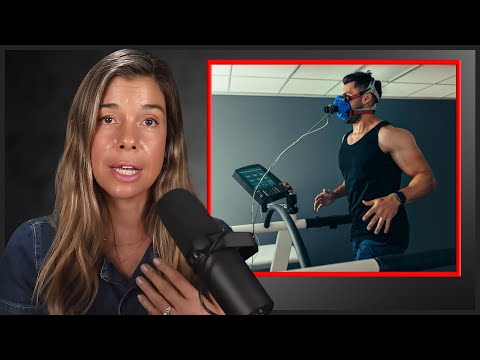
Why VO2 Max Is a Powerful Longevity Marker

Mar 12, 2024

“In this excerpt from Dr. Rhonda Patrick's A4M LongevityFest 2023 keynote, she argues that vigorous exercise is one of the most powerful tools for healthy aging because it can raise cardiorespiratory fitness.”

exercise aging performance mortality
Watch clip
159
Clip
Clip

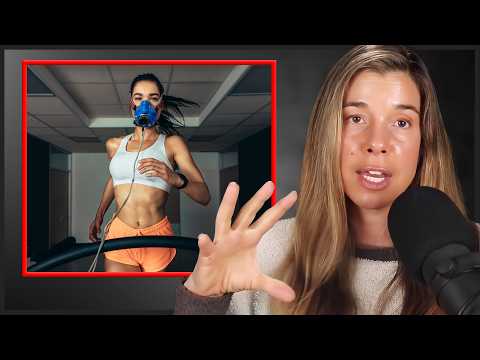
How Vigorous Exercise and Lactate Support Brain Health

Jun 23, 2025

“Controlled human studies support acute brain-related responses to high-intensity exercise. Six short all-out cycling intervals improved selected learning and executive measures while increasing circulating BDNF, IGF-1, and VEGF; lactate tracked several of these changes.”

exercise brain aging mitochondria
Watch clip
160
Clip
Clip

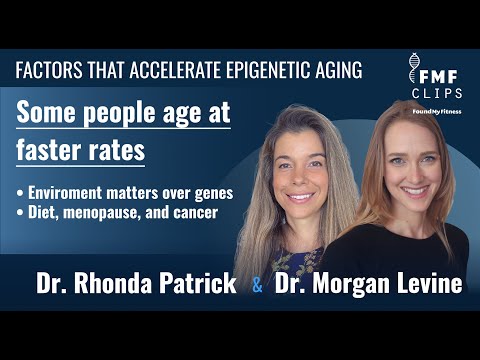
Factors that accelerate or slow epigenetic aging | Dr. Morgan Levine

May 21, 2022

“In this clip, Drs. Levine and Patrick discuss genetic and environmental factors that can accelerate or slow epigenetic aging. Dr. Levine also discusses the aging clock she created and how it can be used, along with other biomarkers, to determine an individual's rate of aging.”

epigenetics cancer aging diabetes
Watch clip
Load more related episodes

Explore More

  • Home
  • Episodes
  • Membership
  • The Aliquot
  • About
  • Healthspan Gear
  • Genetics

Our Mission

Promoting strategies to increase healthspan, well-being, cognitive and physical performance through deeper understandings of biology. Learn more about Dr. Rhonda Patrick.

Questions?

Send us a message here

Search

Follow us here

  • Instagram
  • Twitter
  • Facebook

Watch and listen

  • YouTube
  • Apple Podcasts
  • Spotify
This site is protected by reCAPTCHA and is subject to the Google Privacy Policy and Terms of Service, as well as our own Privacy Policy and Terms of Service.