Q&A
Q&A #5: How to Improve Sleep—and What Nutrition Matters During Pregnancy?
Dr. Rhonda Patrick answers audience questions on various health, nutrition, and science topics in this Q&A session.
FoundMyFitness library
Ranked by shared topics, with one result from each original episode.
Q&A
Dr. Rhonda Patrick answers audience questions on various health, nutrition, and science topics in this Q&A session.
Q&A
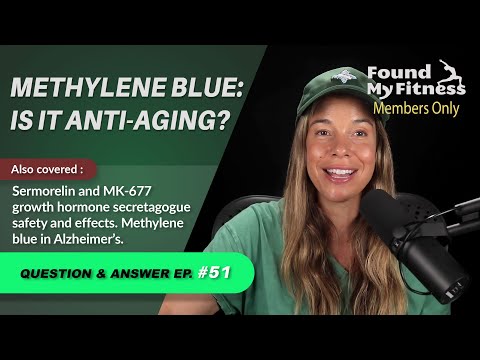
Dr. Rhonda Patrick explores taurine's longevity role, cocoa flavanols, training adaptations, and oral hyaluronic acid in a Q&A.
Q&A
Dr. Rhonda Patrick explores growth hormone secretagogues, spermidine's longevity role, methylene blue, whey protein, and solutions for scar tissue in a Q&A.
Q&A
Dr. Rhonda Patrick explores melatonin's antioxidant properties, curcumin supplementation, antinutrients, and SARMs in her latest Q&A.
Q&A
Dr. Rhonda Patrick discusses resistant starch, red light therapy risks, stem cells, and the link between benzodiazepines and dementia in her latest Q&A session.
Q&A
Dr. Rhonda Patrick discusses saturated fats and LDL, luteolin's benefits, glyphosate risks, natural vs. artificial flavors, and black cumin seed effects.
Q&A
Dr. Rhonda Patrick discusses her supplement routine, Neu5Gc risks, Repatha and diabetes, heat stress, osteoporosis in men, and plyometrics.
Episode
“Whereas its link to diabetes is well known, what is likely underappreciated is that refined sugar may be linked to as many as 200,000 deaths worldwide each year from diabetes, cardiovascular disease, and cancer combined. Refined sugar also affects the brain.”
Clip
“Most common graying is strongly related to age and genetics, but selected observations suggest that stress, nutrient status, and cellular energy metabolism can influence pigment in some circumstances.”
Episode
“The fascinating way Dr. Panda is using human anecdote from his trial to ask new scientific questions he wouldn't think to ask and then going back to animal data to figure it out and how this unique approach forms a sort of closed loop pattern: animal → human feedback → back to animal for mechanism.”