Q&A
Q&A #65: Are Food Emulsifiers Harmful to Gut and Metabolic Health?
Dr. Rhonda Patrick discusses Akkermansia muciniphila, vitamin B1's effect on blood sugar, emulsifiers in food, and electrolyte supplements.

FoundMyFitness library
Ranked by shared topics, with one result from each original episode.
Q&A
Dr. Rhonda Patrick discusses Akkermansia muciniphila, vitamin B1's effect on blood sugar, emulsifiers in food, and electrolyte supplements.
Q&A
Dr. Rhonda Patrick discusses microdosing nicotine, GlyNac benefits, intermittent fasting and hair loss, and cold & flu relief.
Q&A
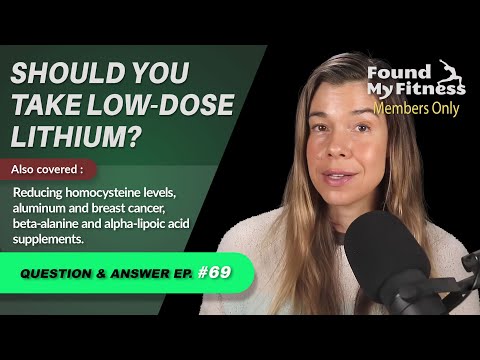
Dr. Rhonda Patrick covers lithium microdosing, reducing homocysteine, aluminum's link to cancer, and beta-alanine and alpha-lipoic acid supplements.
Q&A
Dr. Rhonda Patrick discusses her supplement routine, Neu5Gc risks, Repatha and diabetes, heat stress, osteoporosis in men, and plyometrics.
Q&A
Dr. Rhonda Patrick discusses protein needs, choline in pregnancy, urolithin A, melatonin's benefits and risks, and creatine's effects on liver health.
Q&A
Dr. Rhonda Patrick discusses nicotinamide riboside, biomarkers, belly fat loss, sex-specific health, curcumin & ashwagandha safety.
Q&A
“The discussion of fiber and nutrient or supplement absorption begins at 19:38. The Oats and beta-glucan topic provides the wider cholesterol evidence and explains why whole oats, beta-glucan powder, and psyllium should not be compared solely by their serving weights.”
Q&A
Dr. Rhonda Patrick discusses memory, tendon and bone health, male fertility, and the benefits of blueberries.
Episode
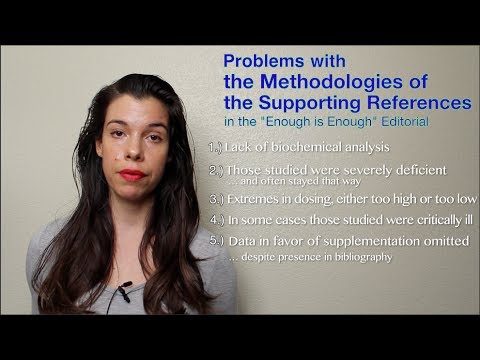
“In this podcast, we discuss and critically analyze a recent headline-grabbing editorial that was published in the Annals of Internal Medicine that reviewed three studies on the topic of multivitamins and chronic disease prevention. We analyze the important shortcomings of the studies and talk about the mechanism.”
Episode
“Although the findings of a large meta-analysis published in the journal Annals of Internal Medicine indicated that there was no evidence to support the notion that consumption of saturated fat increased the risk of heart disease, the studies on which their conclusions were based were primarily observational.”