Q&A
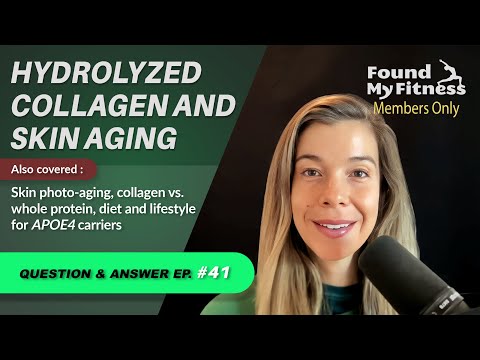
Q&A #41: APOE4 Lifestyle Strategies—Plus Collagen for Skin Aging
Dr. Rhonda Patrick answers audience questions on various health, nutrition, and science topics in this Q&A session.
FoundMyFitness library
Ranked by shared topics, with one result from each original episode.
Q&A
Dr. Rhonda Patrick answers audience questions on various health, nutrition, and science topics in this Q&A session.
Q&A
Dr. Rhonda Patrick explores growth hormone secretagogues, spermidine's longevity role, methylene blue, whey protein, and solutions for scar tissue in a Q&A.
Q&A
Dr. Rhonda Patrick explores creatine, dairy's effect on polyphenols, eggs' health impact, and new weight loss drugs like Ozempic in her latest Q&A.
Q&A
Dr. Rhonda Patrick discusses xylitol safety, strategies to reduce hemoglobin A1C, klotho and dementia risk, and the timing of hormone replacement therapy.
Q&A
Dr. Rhonda Patrick discusses microdosing nicotine, GlyNac benefits, intermittent fasting and hair loss, and cold & flu relief.
Q&A
Dr. Rhonda Patrick discusses nicotinamide riboside, biomarkers, belly fat loss, sex-specific health, curcumin & ashwagandha safety.
Clip
“In a randomized trial of resistance-trained women, an eight-hour eating window did not reduce gains in lean mass, muscle thickness, strength, or performance when energy and protein intake were matched and the participants completed supervised resistance training.”
Clip
“Recommended total intake is 400 IU per day during infancy and 600 IU after age one, with supplementation useful when fortified formula or foods do not provide enough or when a clinician identifies increased risk. Low-mercury seafood provides EPA and DHA directly.”
Clip
“In a controlled five-week crossover trial involving men with prediabetes, an early six-hour eating window with dinner before 3 p.m. improved insulin sensitivity, pancreatic beta-cell responsiveness, blood pressure, oxidative stress, and appetite without causing weight loss.”
Clip
“In this clip from Dr. Rhonda Patrick's appearance on The Tim Ferriss Show, she describes the supplements her parents use and separates a simple nutritional baseline from choices tied to individual health needs.”